
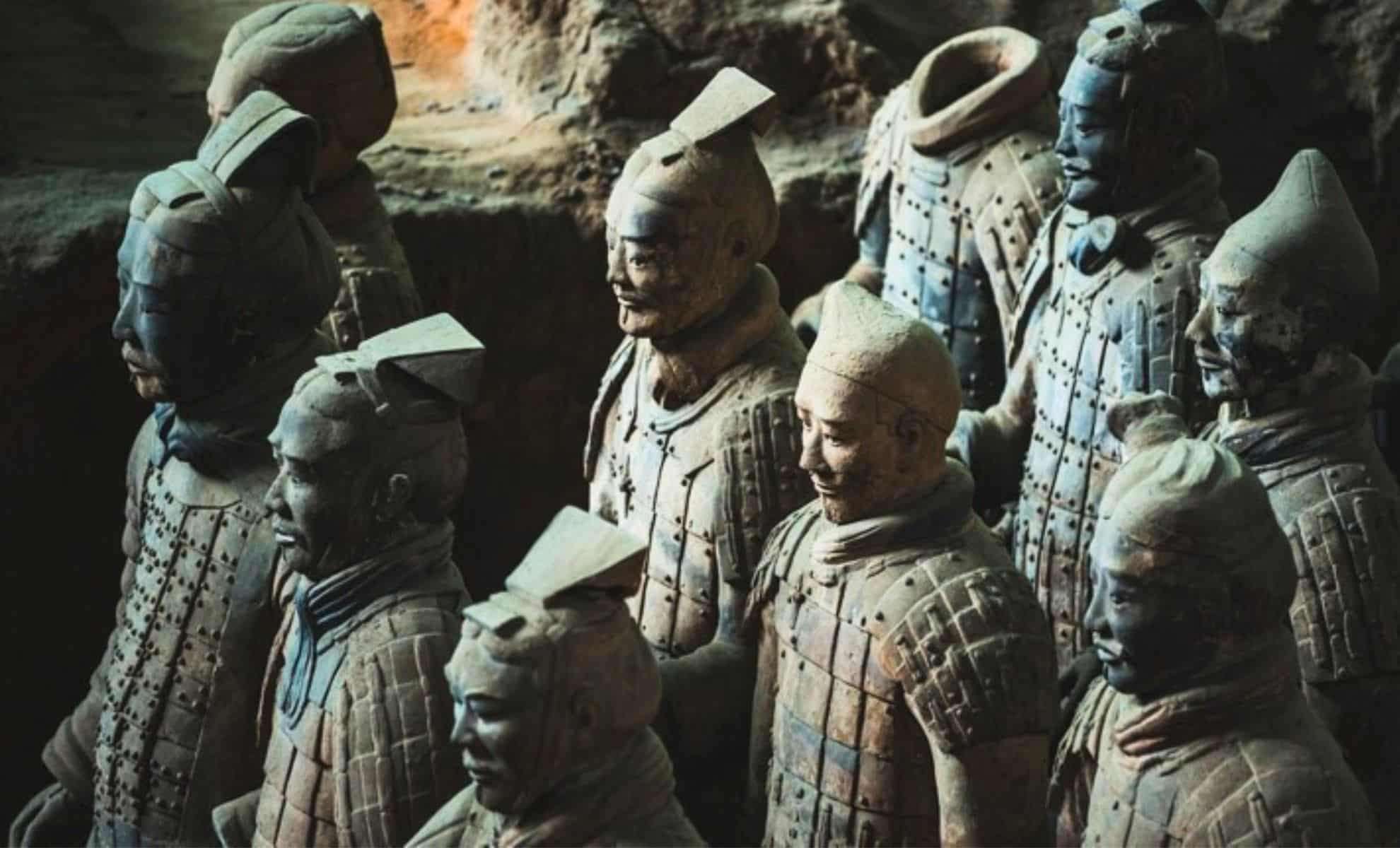
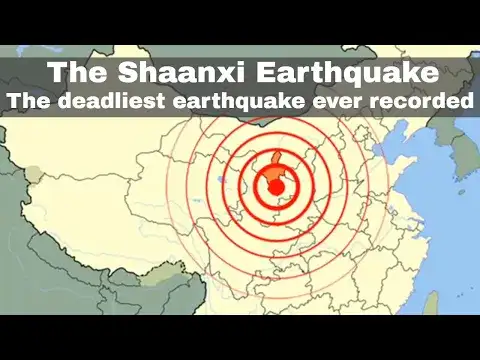
January 23, 1556 marks a day of unparalleled tragedy, overshadowing many modern calamities by sheer scale. On this dreadful Thursday, China's Shaanxi province endured an earth-shattering disaster that claimed approximately 830,000 lives, making it the deadliest earthquake ever documented. Unlike any war, nuclear event, or contemporary crisis, the extent of devastation from this seismic catastrophe is unmatched.
The ground split open, swallowing cities whole
This was no typical earthquake. Emerging along the Weinan and Huashan fault lines, the tremor registered an estimated magnitude between 8.0 and 8.3. Centered near Huaxian, entire urban areas collapsed within moments, while massive landslides buried countless residents alive. The quake’s influence stretched across a vast 500-mile region, transforming once bustling communities into desolate landscapes of ruins and dust.
The numerous cave homes—rock-cut shelters that housed millions—quickly turned into unyielding graves as the earth gave way. Survivors of the initial shock faced grim challenges ahead, including famine, disease, and relentless aftershocks, which drove the death toll even higher in the aftermath.

A toll surpassing nuclear devastation
How does this event stack against other human tragedies? The atomic bomb detonated over Hiroshima in 1945 claimed about 66,000 lives at once. The bomb over Nagasaki resulted in roughly 39,000 deaths. The deadliest air raid of World War II—the March 9, 1945 firebombing of Tokyo—killed an estimated 100,000 people. Yet, combined, these disasters fall far short of Shaanxi’s staggering casualty numbers.
Even the 1976 Tangshan earthquake, responsible for approximately 655,000 fatalities, did not surpass the record set in 1556 as the deadliest earthquake in history.
Potentially the deadliest day ever recorded
In 1556, the global population was fewer than 500 million people. This means roughly one in every 600 individuals globally perished during this single event. Translating this ratio to today’s population of over 8 billion would correspond to a catastrophic loss exceeding 13 million people in just one day—a concept difficult to fathom.
While the Yangtze-Huai River floods of 1931 claimed around 2 million lives, those fatalities occurred over several months. No single 24-hour time frame in history has surpassed the death toll of January 23, 1556.
The possibility of recurrence
The thought is chilling, but another event of similar scale could happen. Earthquakes strike without warning, and China remains situated atop some of the planet’s most seismic-prone fault systems.
Modern engineering and construction may mitigate casualties, but a quake of this magnitude would reduce even high-rise buildings, highways, and bridges to rubble just as it did nearly 500 years ago.
No nuclear attack, war, or pandemic has ever come close to the horror witnessed on that fateful Thursday in 1556. Unless a more devastating future calamity emerges, the Shaanxi earthquake is likely to remain the single deadliest day in human history.
This article has been republished from the following materials. Note: material may have been edited for length and content. For further information, please contact the cited source.
- Categories:
- News






0 comments
Sign in to Comment