
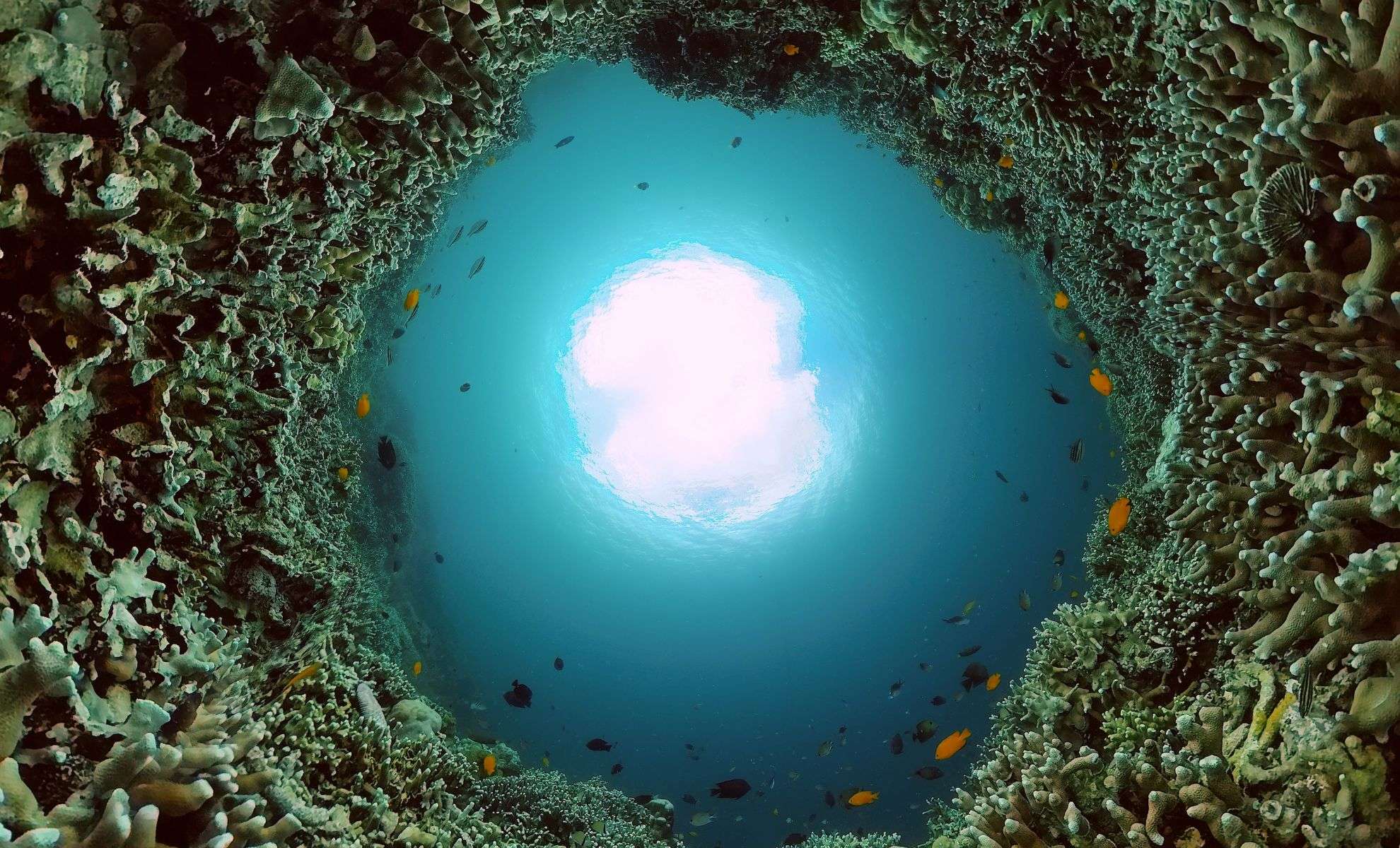
Scientists have uncovered an enormous underwater hydrothermal complex in the Pacific Ocean that captivates with its immense size, distinct features, and possible clues to life’s beginnings. Dubbed the Kunlun system, this remarkable site covers over 11 square kilometers, making it more than 100 times larger than the renowned Lost City hydrothermal field located in the Atlantic. Findings were detailed in the journal Science Advances.
An Enigmatic World Below the Surface
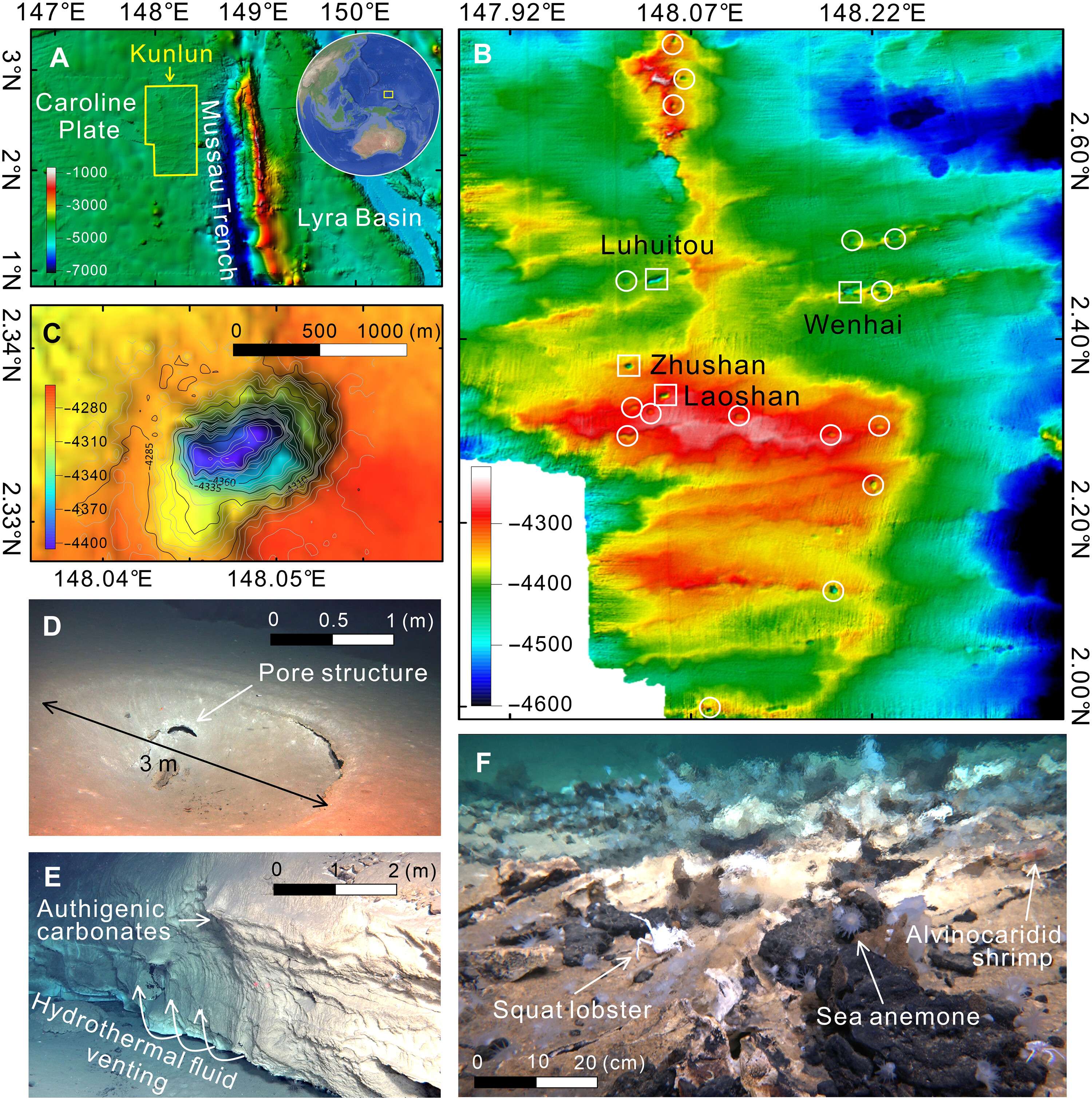
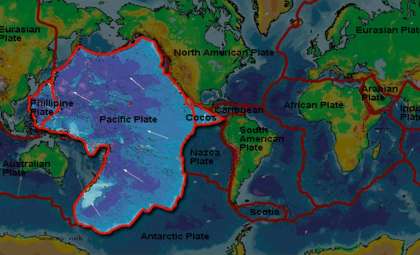
The Kunlun system is positioned roughly 50 miles west of the Mussau Trench on the Caroline Plate, north of New Guinea. Exploration by a manned submersible unveiled an intricate layout of 20 circular depressions, with some exceeding one kilometer in diameter. Located within a geologically unstable region, this hydrothermal system presents a highly complex environment.
Hydrothermal systems originate when ocean water filters through fractures in the seafloor and heats up close to the Earth's mantle. The heated, mineral-dense fluids then escape into the ocean, creating hydrothermal vents. Although similar phenomena exist on land and underwater—like the geysers at Yellowstone National Park—the extraordinary scale and composition of Kunlun set it apart as a landmark in marine studies.

Reevaluating the Cradles of Life
For decades, hydrothermal vent ecosystems have been hypothesized as potential birthplaces of life on Earth. The Kunlun system attracts special attention due to its exceptionally high hydrogen emission, which lead scientist Sun Weidong highlighted, noting, “exceptionally high hydrogen flux, scale, and unique geological setting.”
Unlike typical vents near mid-ocean ridges, Kunlun’s unusual location challenges established notions concerning where substantial hydrogen generation can take place. The study suggests that this system might sustain a more prolonged and stable environment conducive to early life development compared to smaller, more fluctuating settings like the Lost City.
Deep Sea Giants in Perspective
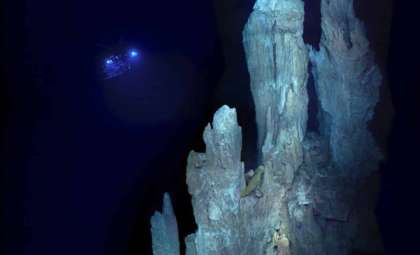
The Atlantic’s Lost City hydrothermal vent has served as an essential subject for astrobiology, possibly representing one of the most enduring vent environments. However, despite its significance, Lost City is dwarfed in size by the sprawling Kunlun system. While Lost City is known for its distinctive carbonate structures, Kunlun features “pipes and pits” which might create a more stable habitat for microorganisms over long periods.
Lost City has provided valuable insights into microbial adaptation in extreme habitats. Now, Kunlun could extend these ideas by presenting an environment capable of not just sustaining life but potentially fostering its origin.
Thriving Life in an Ocean Abyss
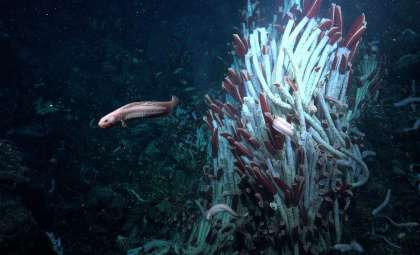
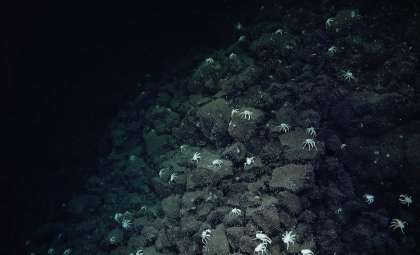
Although positioned in an isolated, intense setting, the Kunlun hydrothermal field supports abundant life forms. As Sun Weidong reported, “We observed diverse deep-sea life thriving here—shrimp, squat lobsters, anemones, and tubeworms—species that may depend on hydrogen-fueled chemosynthesis.”
This rich biodiversity creates a valuable opportunity to study life's emergence and adaptation in isolation, under high-pressure conditions, and in complete darkness. These creatures convert chemical energy into sustenance through chemosynthesis rather than photosynthesis. Such ecosystems offer parallels to environments possibly found on icy moons like Europa or Enceladus, where subsurface oceans might harbor similar hydrothermal phenomena.
- Categories:
- News





0 comments
Sign in to Comment