
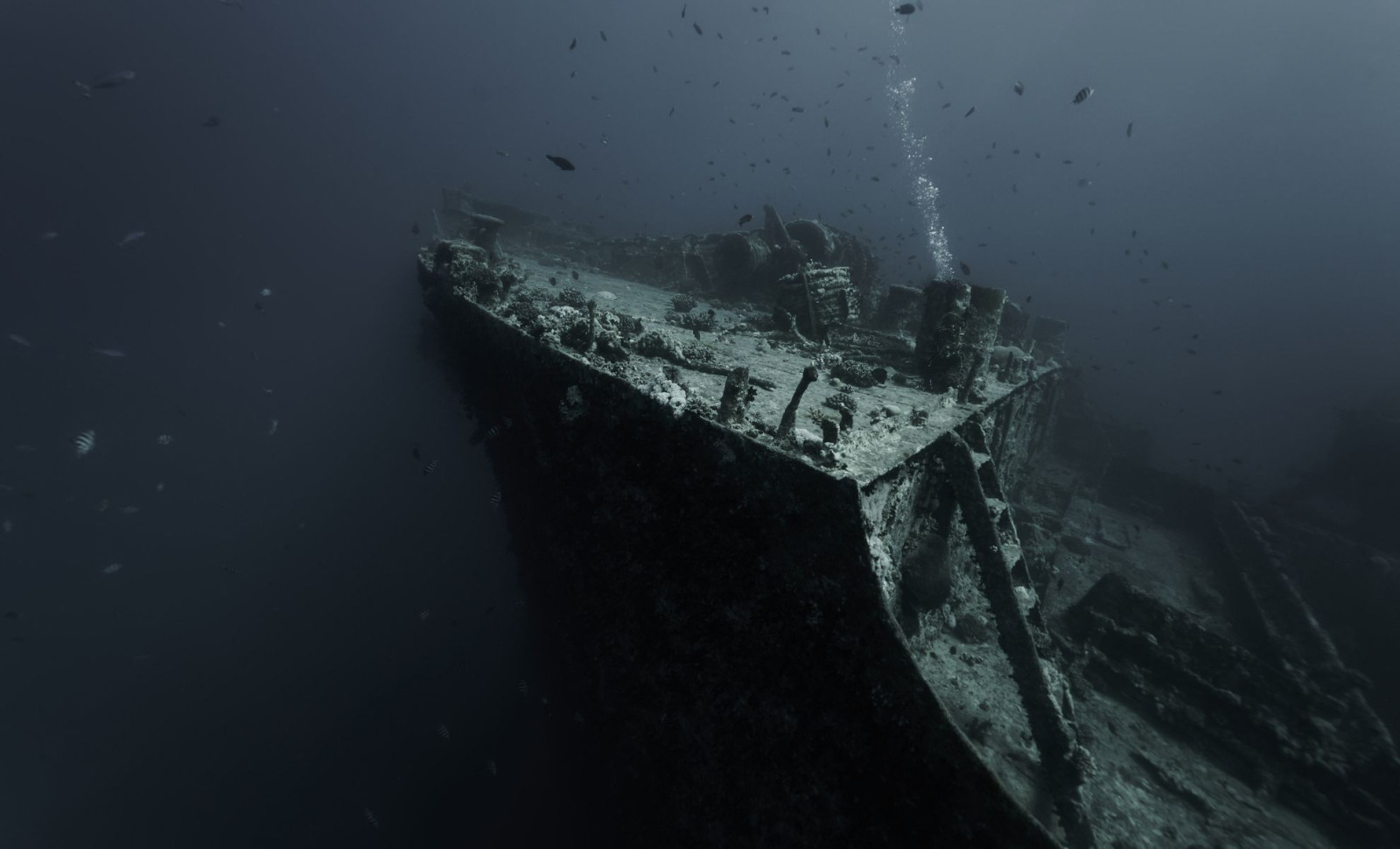
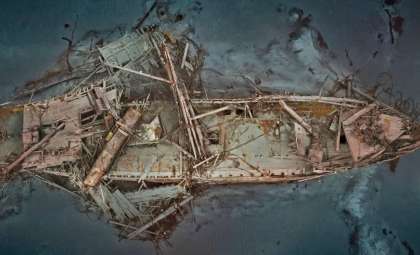
More than a century after it sank, the remains of the USCGC Tampa have been uncovered off Cornwall’s coastline in England. The vessel was destroyed by a German torpedo in World War I, resulting in the loss of 131 lives—one of the deadliest maritime disasters for the United States during the conflict. In 2026, British divers successfully pinpointed the wreck approximately 50 miles from the UK’s southern shore, closing a long-standing historical enigma.
The Tampa vanished on September 26, 1918, during a standard convoy mission. Its rediscovery not only offers resolution to a tragic episode but also highlights the vital contributions of the Coast Guard in wartime efforts.
A Tragic Event in the Bristol Channel
That tragic September day, the U.S. Coast Guard Cutter Tampa was devastated by a torpedo strike from the German U-boat UB-91. The ship sank rapidly, claiming the lives of 131 individuals, including 111 Coast Guard personnel. This remains the deadliest naval loss for the United States during World War I combat operations.

The disaster deeply affected the Coast Guard community. As noted by the U.S. Coast Guard, the loss of the Tampa left a lasting scar.
“When the Tampa was lost with all hands in 1918, it left an enduring grief in our service. Locating the wreck connects us to their sacrifice and reminds us that devotion to duty endures. We will always remember them. We are proud to carry their spirit forward in defense of the United States,” stated Admiral Kevin Lunday, commander of the Coast Guard.
In 1928, a commemorative monument was erected at Arlington National Cemetery to pay tribute to the fallen crew members of the USCGC Tampa.
Uncovering Tampa’s Final Location After a Century
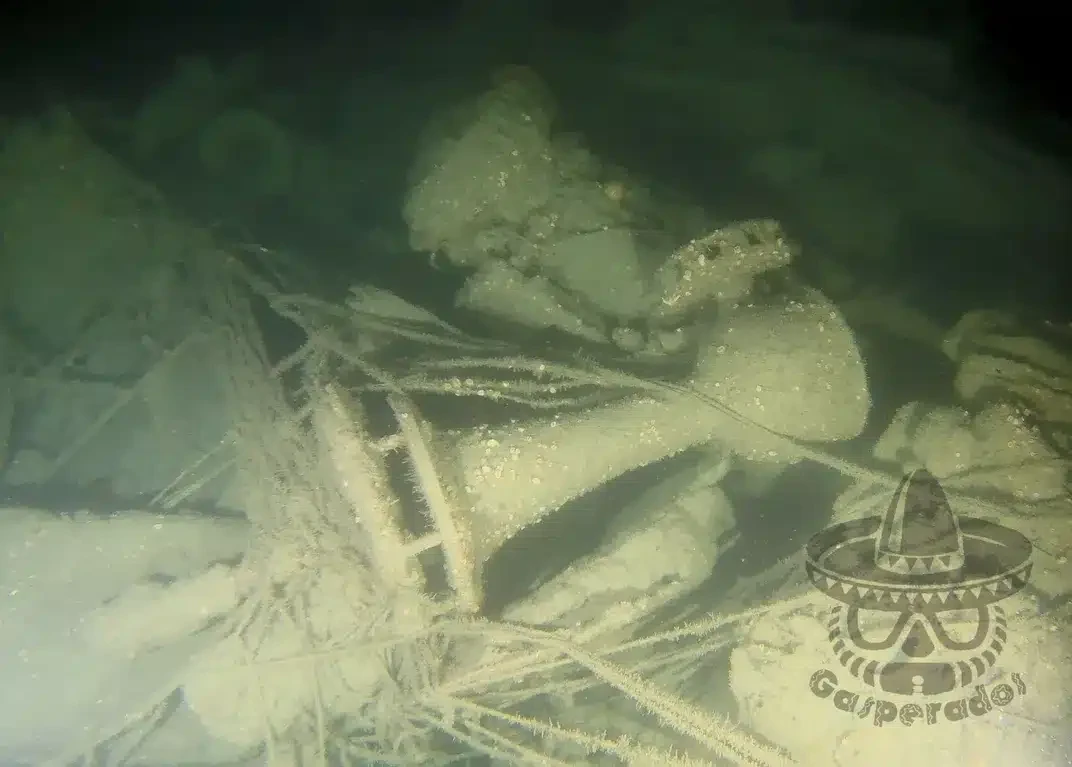
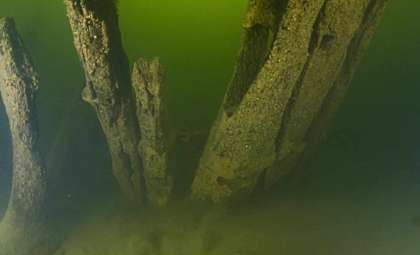
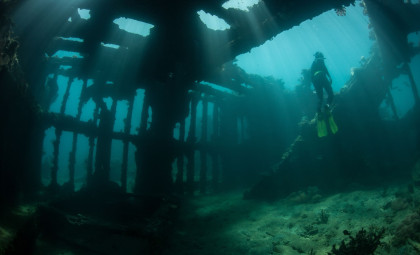
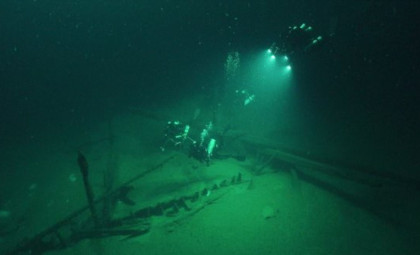
The resting place of the Tampa had remained a mystery for over 100 years until British divers discovered it at a depth exceeding 300 feet, roughly 50 miles off Newquay, Cornwall. This achievement followed three years of dedicated research and diving expeditions by the Gasperados Dive Team, specialists in technical diving.
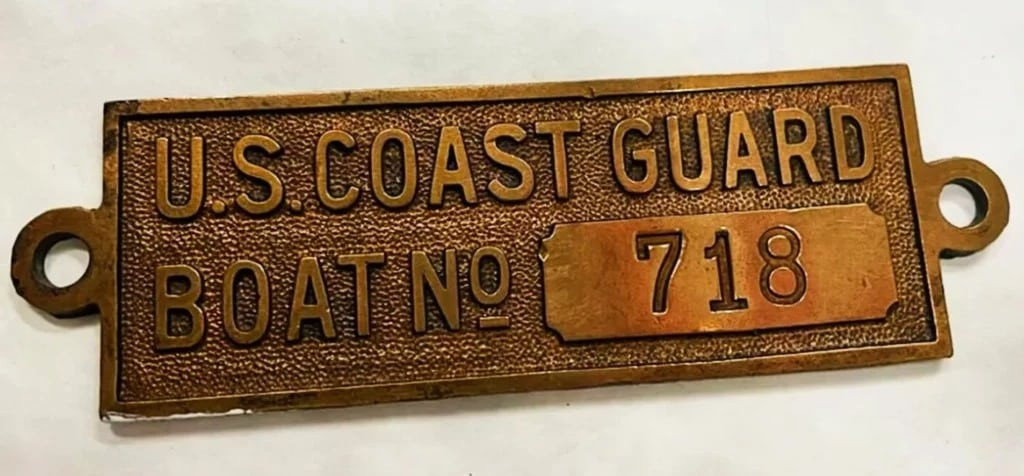
“The discovery is an extremely high achievement for us here in Cornwall,” said Chris Lowe of Atlantic Diving. “It is one of the most important wrecks we have off Cornwall, and for the Americans it is extremely important we have found it.”
Steve Mortimer, the Gasperados’ leader, shared in a Facebook update that confirming the wreck site required 10 diving missions. Their success was due to integrating advanced dive technology with historical documents, including photographs of the vessel’s equipment and armaments. With assistance from Coast Guard historians, the team was able to match these images with findings on the seafloor, ultimately revealing the mystery.
“We provided the dive team with historical records and technical data to assist in confirming the wreck site,” noted Dr. William Thiesen, a historian with the Coast Guard.“This included the archival images of the deck fittings, ship’s wheel, bell , weaponry, and archival images of the Tampa.”
Honoring the Legacy of the Early Coast Guard
The Tampa serves as a symbol of the U.S. Coast Guard’s legacy, originally commissioned in 1912 as the Miami under the U.S. Revenue Cutter Service, the Coast Guard’s precursor. Founded in 1790 to enforce maritime law, that service merged into the Coast Guard in 1915 via the Coast Guard Act.
The Miami was renamed the USCGC Tampa upon the Coast Guard’s establishment and played a significant role throughout World War I, operating under Navy command but staffed predominantly by Coast Guard personnel—the very men who were aboard when it sank.
- Categories:
- News

0 comments
Sign in to Comment