
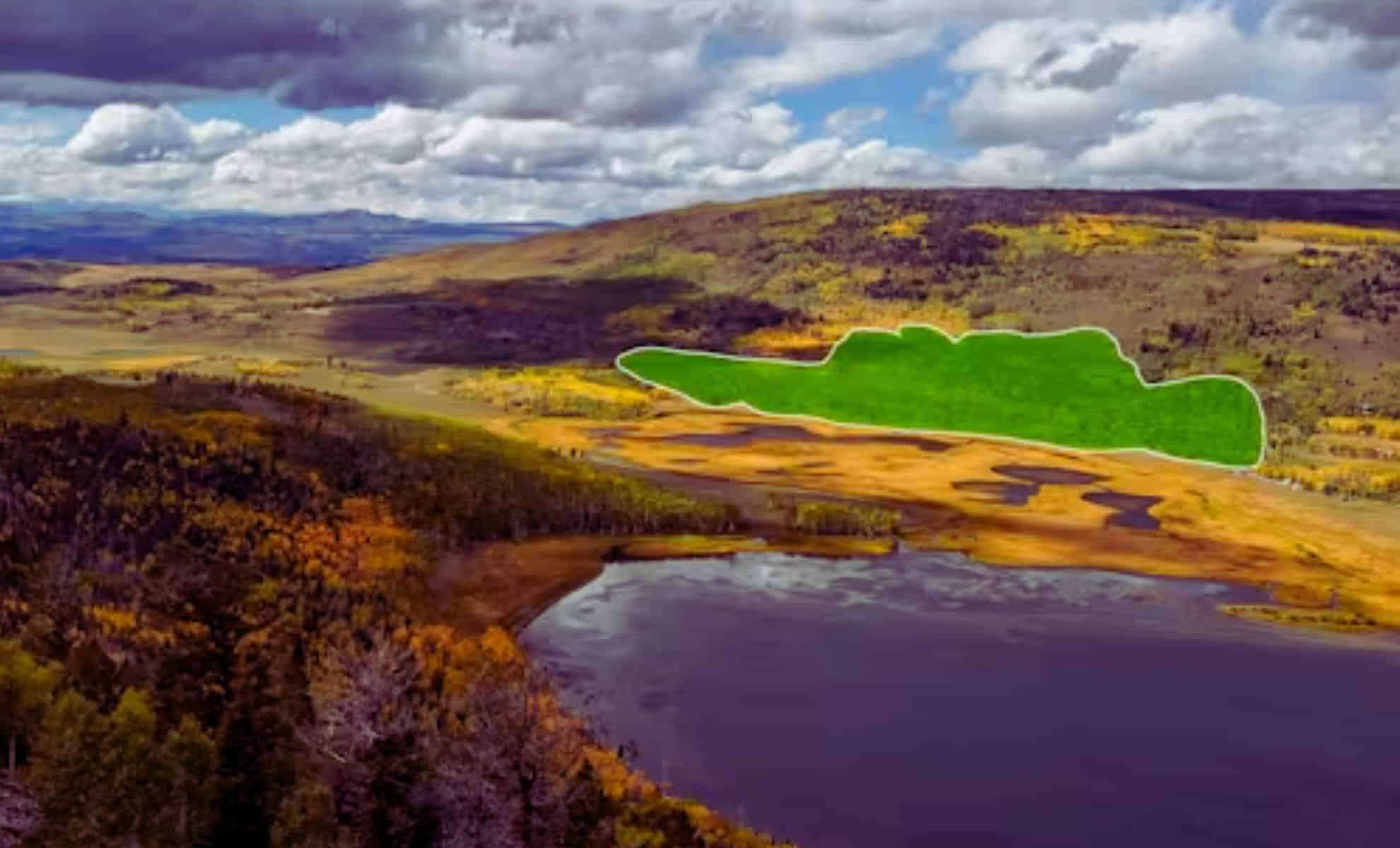
Nestled in Utah’s Wasatch Mountains lies Pando, a vast organism made up of genetically identical quaking aspens, widely recognized as the most massive living entity on the planet. Covering over 106 acres and weighing close to 6,000 metric tons, this singular organism faces significant dangers including intense browsing by deer and elk, disease, and the impacts of a changing climate. As The Conversation highlights, the survival of this natural marvel and its habitat is increasingly uncertain.
Defining Pando: One Organism, Many Trees
Meaning “I spread” in Latin, Pando isn’t a conventional forest but rather a single entity composed of around 47,000 trunks all genetically identical, connected through an extensive underground root system. Though it appears as a grove of separate trees, each stem actually springs from one massive interconnected root network. Positioned near Fish Lake, Utah, this organism has persisted for around 14,000 years, with individual stems living roughly 130 years before being replaced.
Pando’s distinction comes not only from its enormous size but also its resilience and longevity, sustaining a critical habitat for numerous plant and animal species like deer, foxes, birds, and various pollinators.

Life Beneath Pando’s Canopy
The ecosystem thriving under Pando's cover is remarkably diverse, hosting 68 plant species alongside many animal inhabitants. These organisms rely on the shade and nutrients provided by the aspen cluster, creating a complex balance evolved over thousands of years. Young shoots and new stems are essential for maintaining this biological richness, as the lifecycle of older trees gives way to fresh growth, ensuring ecosystem vitality.
Pando also plays a pivotal ecological role by helping regulate local environmental conditions. Through its canopy, it conserves moisture and provides shade, supporting water cycles and offering refuge amidst the surrounding arid landscape, effectively acting as an oasis for wildlife.
The Impact of Deer and Elk Overgrazing
One of Pando’s most urgent threats is heavy browsing by deer and elk. Historically, natural predators such as wolves and cougars kept these herbivore populations balanced. Since these predators have largely vanished in the area, deer and elk numbers have surged.
Attracted by Pando’s safe environment from hunting, these animals feed voraciously on the tender young shoots, suppressing new growth and blocking the natural renewal of the colony. This grazing pressure leaves expanses of the organism unable to regenerate, stalling the ecosystem’s health.
To counter this challenge, conservationists have fenced sections of Pando, allowing new growth to flourish. Inside these protected areas, often dubbed the “bamboo garden,” new clonal stems have shown promising recovery.
Pathogens Threatening Pando’s Health
Like any long-lived life form, Pando is susceptible to various diseases that undermine its vitality. Notable among these are sooty bark canker, leaf spot, and conk fungal disease. While these ailments are common in aspen populations, their combined impacts alongside other stresses pose a heightened risk.
These diseases primarily weaken older stems, making them vulnerable to environmental hardships. This problem worsens as new growth is limited due to grazing and other pressures, leading to a diminishing root system’s ability to sustain the whole organism and altering the ecological balance.
Climate Change: An Escalating Danger
The most pressing challenge confronting Pando is climate change. Though it has historically survived harsh conditions like droughts and fires, rapid environmental shifts are presenting unprecedented obstacles. Increasingly warmer springs and diminished water availability are hindering the aspen's growth cycles.
Moreover, the rising frequency and severity of wildfires threaten to further damage this ancient colony. Combined with hotter temperatures and ongoing drought in the nearby desert, these factors intensify the strain on Pando, endangering its future existence.
- Categories:
- News









0 comments
Sign in to Comment