
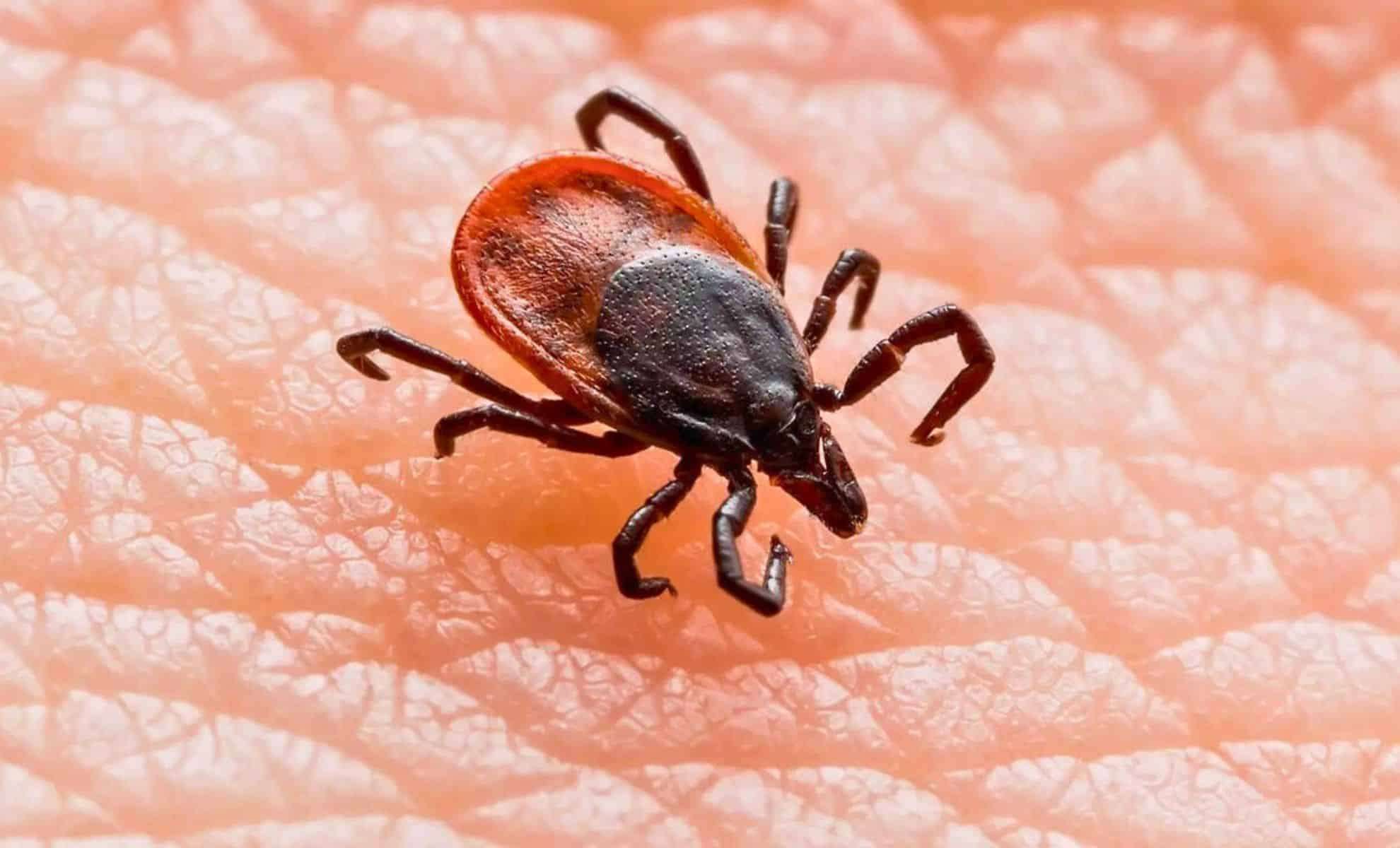
A newly discovered virus called the Wetland virus has captured scientific attention due to its ability to spread from ticks to humans. First found in China in 2019, this pathogen has been identified in multiple tick species and various mammalian hosts, prompting concerns about possible public health implications.
Discovery and Initial Case
The Wetland virus was first detected in a 61-year-old man from Inner Mongolia who suffered from severe symptoms such as fever and vomiting following a tick bite. When standard antibiotic therapy proved ineffective, further analysis uncovered a previously unknown virus closely related to the Crimean-Congo hemorrhagic fever virus. This breakthrough triggered extensive surveillance involving over 14,000 ticks, revealing the virus across five different tick species.
Transmission Pathways to Humans
The virus depends on certain animal hosts to maintain its life cycle, creating infection pathways to humans. The transmission dynamics include:

These hosts and tick populations sustain the virus in regional ecosystems, increasing the risk of human encounters with the virus.
Clinical Signs and Risks
Medical data from affected regions show that infected individuals often exhibit symptoms like:
- Fever: A common symptom accompanied by chills.
- Fatigue: Unusual tiredness or weakness reported.
- Dizziness & Headaches: Persistent headaches may serve as an alert.
- Muscle and Joint Pain: Aches that intensify as illness progresses.
- Skin Rashes: Occasionally, rashes develop, typical of some tick-borne infections.
Though many patients recovered, there were cases with severe complications, including one coma, suggesting the virus might affect the central nervous system. Studies in mice indicate the virus can target vital organs and could be lethal in some instances.
Future Outlook for the Wetland Virus
Currently, there is no evidence that the Wetland virus is an immediate global health danger, but its emergence highlights the importance of monitoring tick-transmitted pathogens closely. Ongoing investigations are vital to fully understand its impact and potential to infect humans.
- Categories:
- Health
















0 comments
Sign in to Comment