
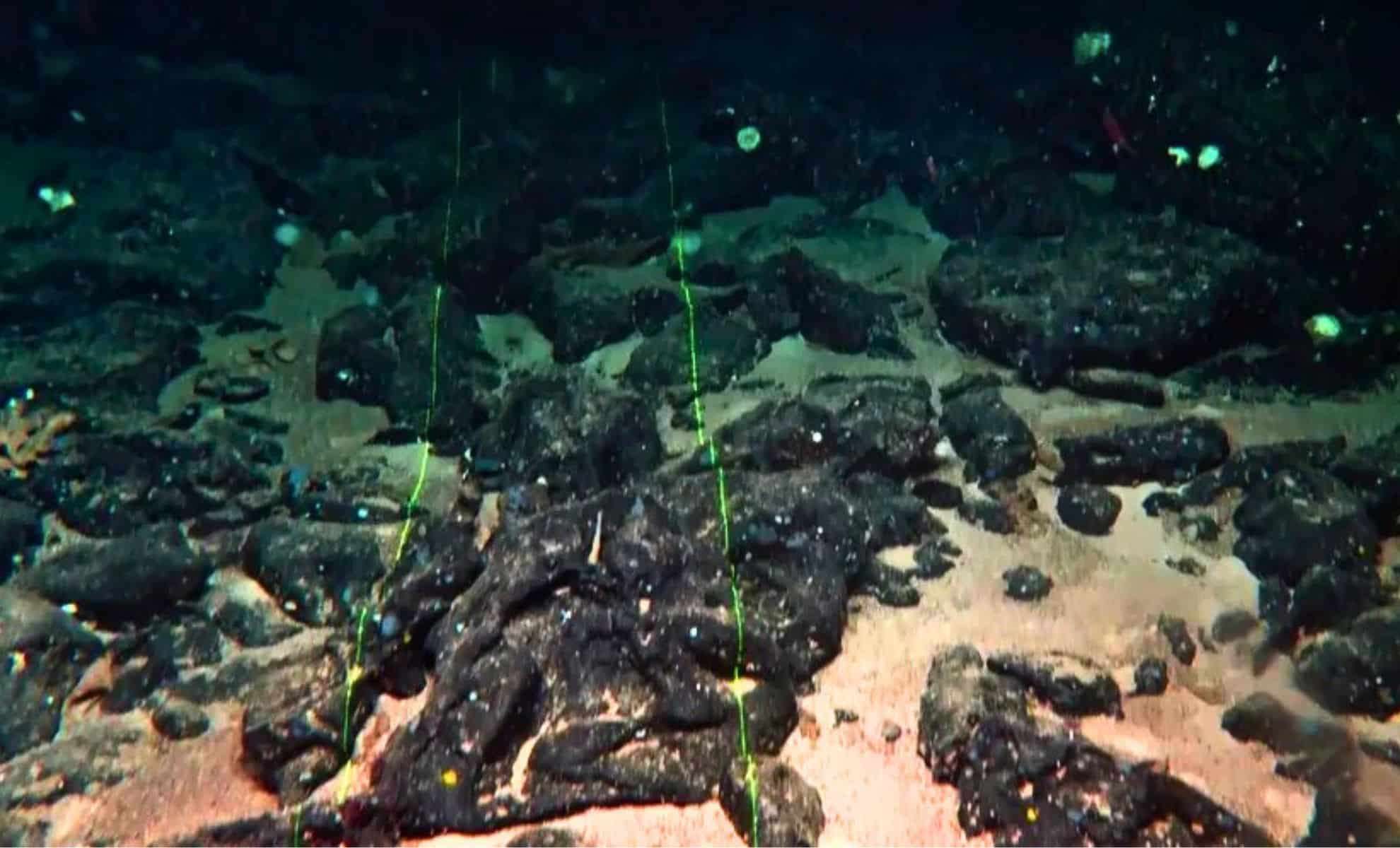
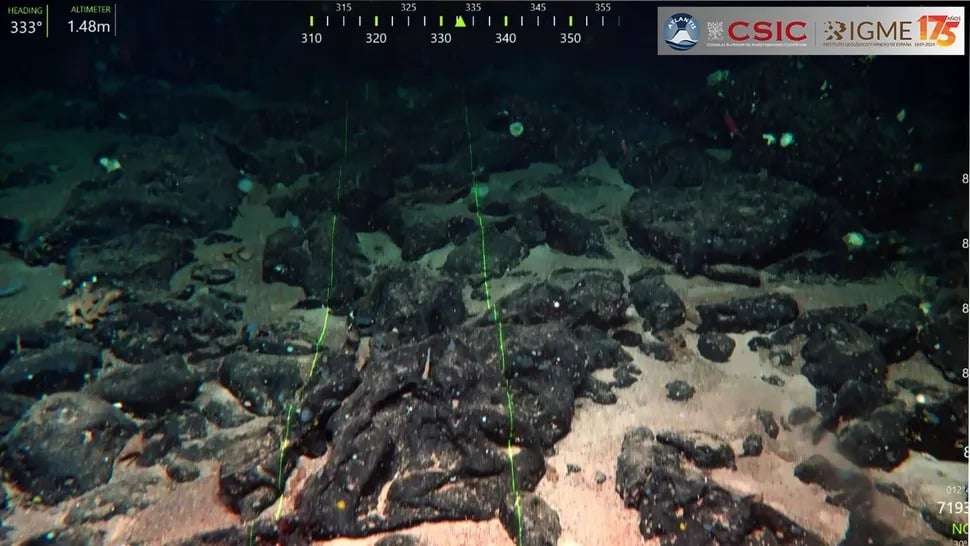
Spanish scientists have revealed an enormous submerged mountain located near Lanzarote, part of the Canary Islands, which could potentially unravel the origins of the famed Atlantis myth. Dubbed Mount Los Atlantes, this vast seamount might be the archaeological inspiration behind the ancient tale described by Plato.
Exploring the Geological Marvel of Mount Los Atlantes
The researchers from Spain’s Geological and Mining Institute (IGME-CSIC) encountered this impressive undersea formation during a survey focused on volcanic activity in the region.
Spanning roughly 50 kilometers across, the seamount encompasses three inactive volcanoes. Positioned off Lanzarote’s coast, the base of Mount Los Atlantes lies at depths varying between 100 and 2,500 meters (330 to 8,200 feet).

Geologist Luis Somoza, part of the expedition, suggested that this underwater massif might clarify the origins of the Atlantis story. Somoza remarked:
“This could be the origin of the Atlantis legend.”
Is This the Inspiration Behind the Atlantis Myth?
Plato’s account of Atlantis tells of a once advanced society punished by the gods and subsequently lost beneath the ocean. Located beyond the "Pillars of Hercules" (modern Gibraltar), Atlantis was said to be situated in the Atlantic, making Mount Los Atlantes’ position off Lanzarote compelling evidence.
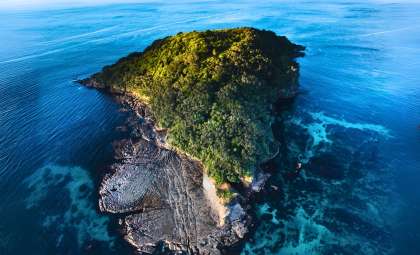
Crucially, the now-submerged volcanic islands constituting Mount Los Atlantes were originally above sea level. These volcanic landmasses gradually sank as volcanic activity ceased millions of years ago.
As lava solidified, the increased density caused the islands to slowly sink beneath the waves, mirroring Plato’s narrative of an island submerged after divine retribution.
Investigating the Sunken Islands Underwater
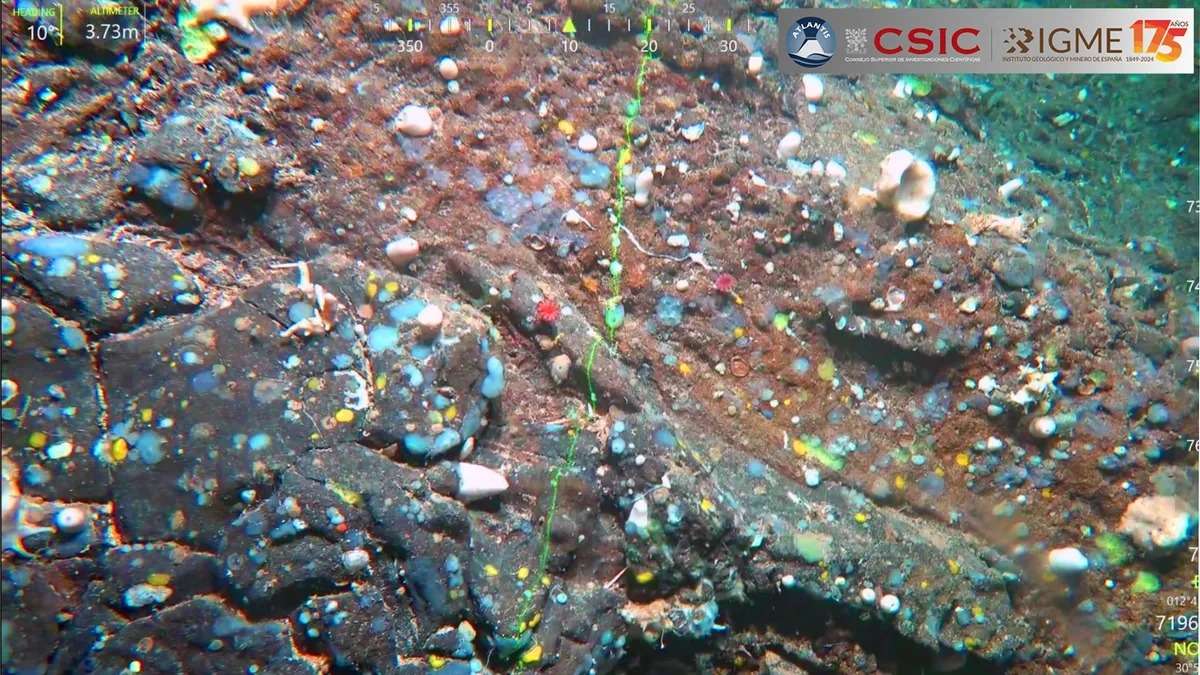
Remarkably, researchers have spotted physical traces of these vanished islands. Features including cliffs, sand dunes, and even beaches remain visible atop the seamount’s level summit. Somoza stated,
“We have identified beaches, cliffs and sand dunes at the flat summit of the seamount.”
These remnants offer insight into the former landscape during the Eocene epoch, between 56 and 34 million years ago, a period when sea levels were substantially lower.
According to Somoza, during the Ice Age’s peak, when ocean levels were significantly reduced, the extinct volcanoes would have emerged again as islands, providing habitats for various species.
Once glaciation subsided and seas rose, these landforms submerged anew and remain hidden beneath today’s waters.
Future Plans for Investigating Mount Los Atlantes
Though the initial discovery has sparked significant excitement, further exploration is planned. Scientists aim to examine volcanic rock samples collected from the seamount to establish precise formation timings and subsidence rates.
By dating these rocks, researchers expect to clarify when the islands surfaced and subsequently sank, enriching understanding of the region’s geologic development and potentially affirming Mount Los Atlantes as the Atlantis legend’s basis.
This continuing study promises to deepen knowledge not only about the Atlantis myth but also about the geological evolution of the Canary Islands and adjacent oceanic zones. Upcoming expeditions will focus on detailed investigations of these underwater volcanoes and their history.
- Categories:
- Science






0 comments
Sign in to Comment