
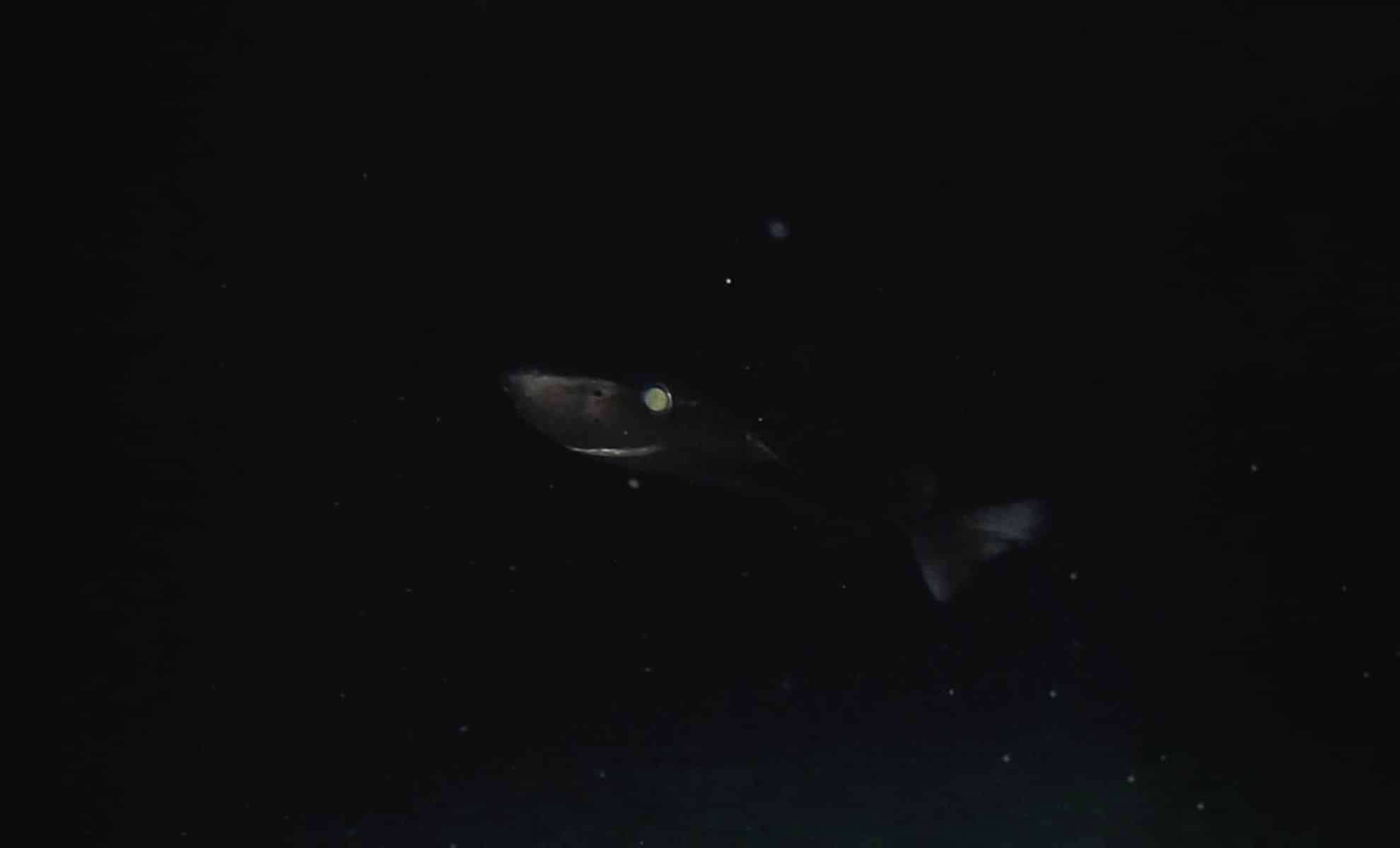
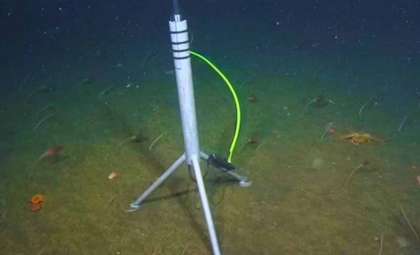
In August 2023, a team of marine scientists exploring the lesser-known depths surrounding the Cayman Islands utilized a specially engineered underwater camera system known as a dBRUV (deep Baited Remote Underwater Video). This device, crafted to assess deep-sea biodiversity, used a bait cage filled with sardines placed before a camera designed to operate at profound ocean depths.
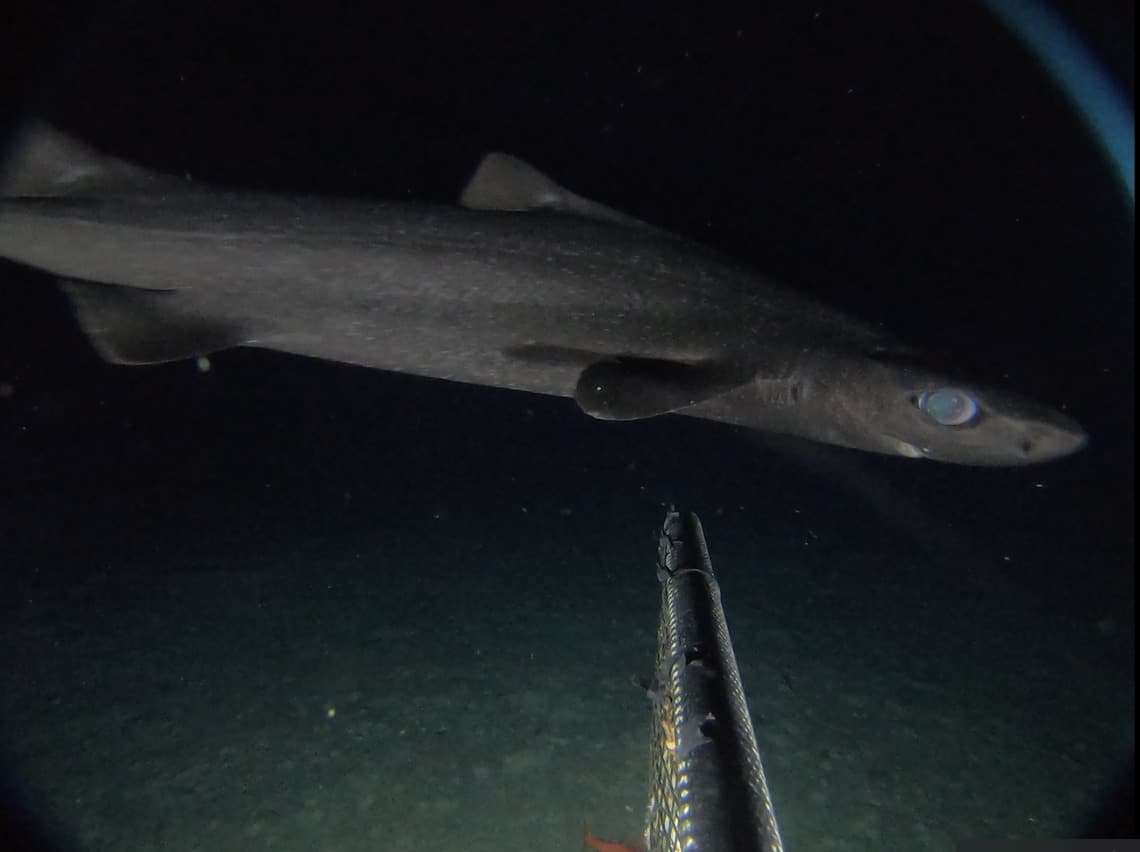
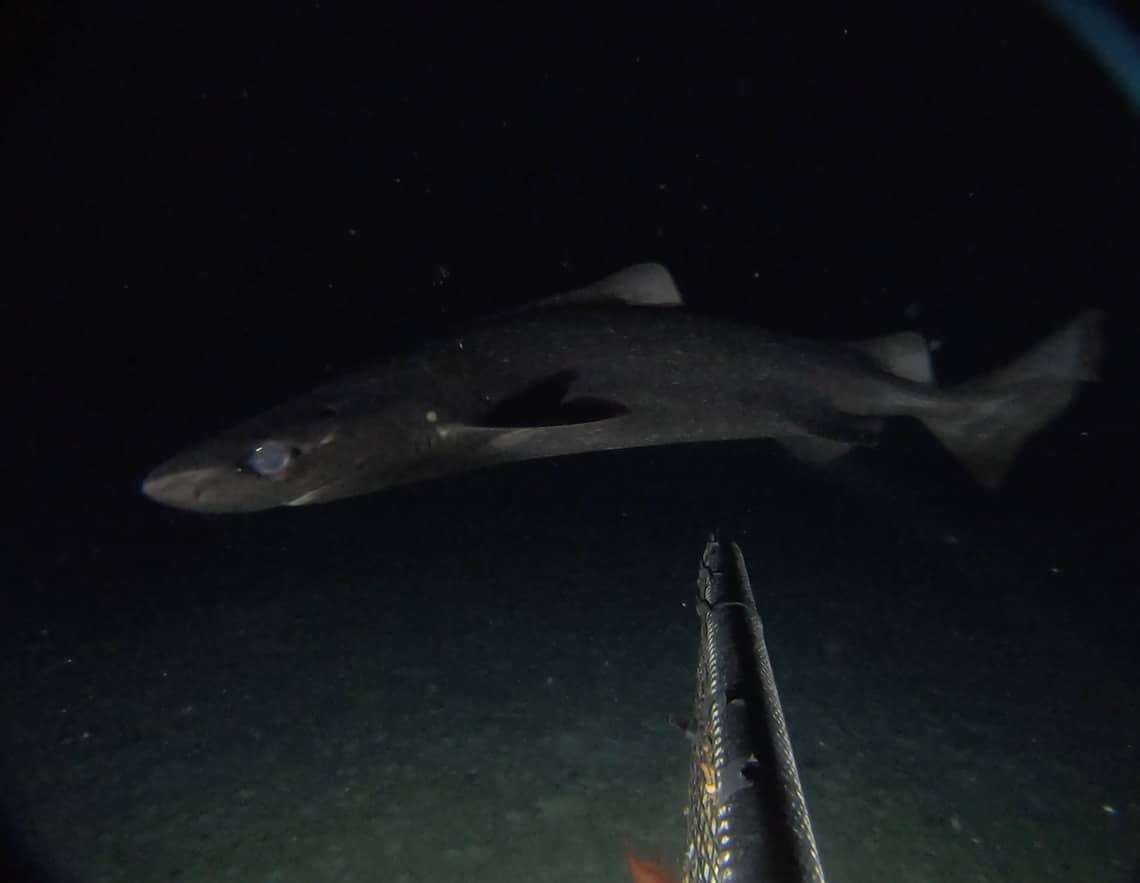
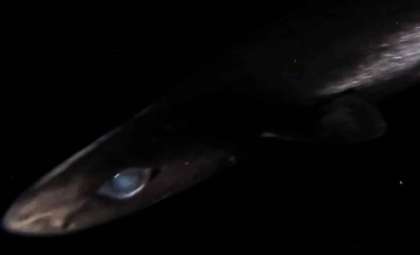
The outcome was almost 11 minutes of rare footage revealing the elusive roughskin dogfish shark (Centroscymnus owstonii). Researchers recounted spotting the shark as a faint “shadow moving just outside the (camera’s) detection range.” Soon after, the predator approached the bait, providing an extraordinary chance to observe the animal alive in its natural surroundings.
Revealing the Caribbean’s Hidden Marine Life
The roughskin dogfish captures mark a major scientific milestone. According to findings published on November 28, 2023, in the Journal of Fish Biology, these recordings represent the first-ever visual documentation of the species in the Cayman Islands and nearby central Caribbean waters. Previously, encounters were limited to:

- Specimens found deceased as bycatch from fishing activities.
- Individuals unintentionally trapped in deep-sea crab traps or trawling nets.
The research team highlighted the breakthrough nature of their discovery, emphasizing the importance of non-invasive monitoring techniques to explore deep ocean habitats.
Advanced Technology Unlocks Ocean Depths
The dBRUV platform played a crucial role in achieving this discovery. Engineered to function at depths reaching 3,500 feet (1.07 kilometers), the camera system rested underwater for extended periods, silently capturing marine activity. Highlights from the footage include:
- Recording 54 shark passages throughout the survey, indicating the presence of multiple individuals.
- Detailed observations of the predator’s interaction with the bait, shedding new light on its feeding behaviors.
“This illustrates how cutting-edge tools are transforming our insight into deep-sea ecosystems,” the report noted.
The Significance: Protecting Marine Biodiversity
Ocean ecosystems are some of the planet’s most delicate environments. The roughskin dogfish’s elusive nature and preference for remote depths underscore the difficulties in safeguarding species we scarcely understand. Conservation efforts stress that such findings are essential for:
- Mapping essential habitats and tracking seasonal movements.
- Designing measures to reduce the harmful effects of deep-sea fishing, which often disturbs these fragile communities.
The Cayman Islands, a British Overseas Territory located south of Cuba and northwest of Jamaica, serve as a vital area for marine biodiversity research. Initiatives like this provide crucial insights into the region’s hidden aquatic wealth.
Leading Experts Driving Exploration
This innovative study was conducted by a diverse team of researchers including Olivia Dixon, Shannon Aldridge, Johanna Kohler, Anne Veeder, Paul Chin, Teresa Fernandes, Timothy Austin, Rupert Ormond, Mauvis Gore, Diego Vaz, and Austin Gallagher. Their combined expertise and adoption of novel technologies are breaking new ground in deep-sea investigation.
The discovery of the roughskin dogfish highlights the enormous potential of non-intrusive research methods. Unlike conventional fishing or trawling that can damage marine life, video-based tools like the dBRUV enable scientists to examine marine species with minimal ecological impact.








0 comments
Sign in to Comment