
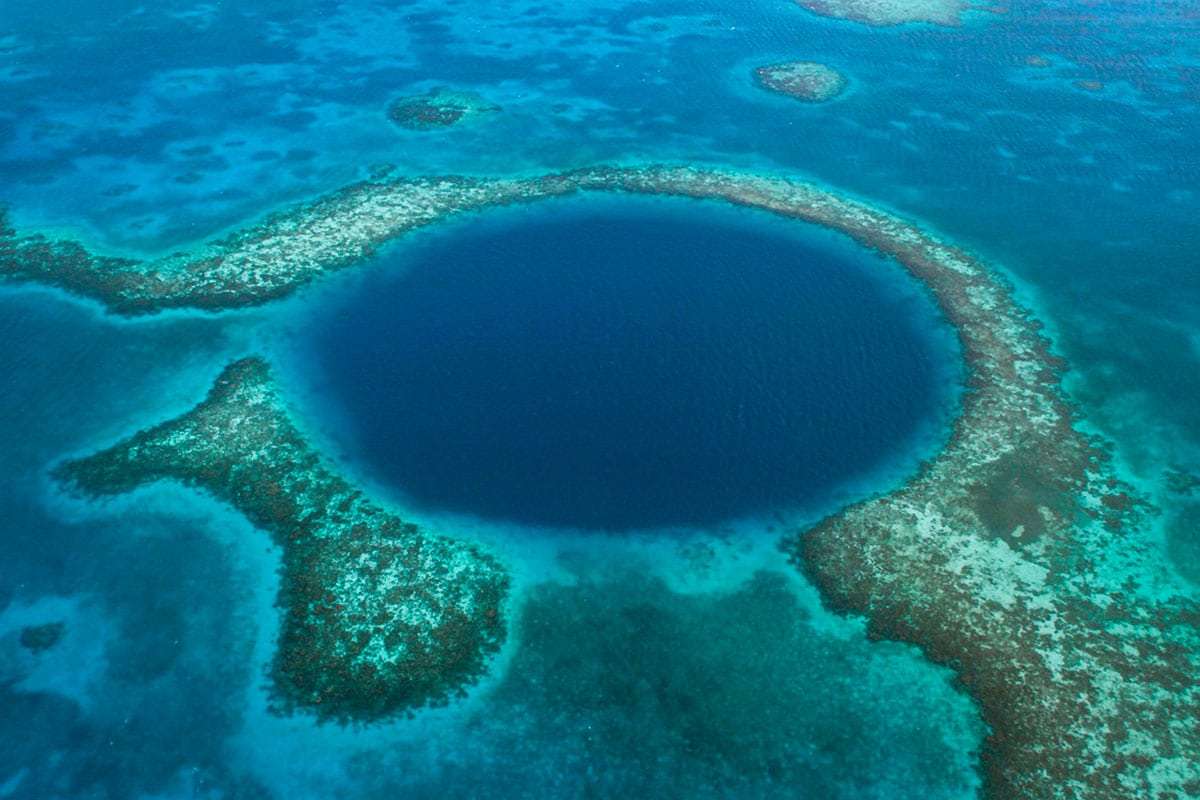
Deep beneath the ocean surface, researchers have identified a tremendous blue hole that has astonished the scientific community with its scale and enigma. This extraordinary find off the coast of Mexico’s Yucatan Peninsula has ignited enthusiasm among marine scientists and explorers worldwide.
Discovering the world’s second deepest blue hole
Measuring an impressive depth of 274 meters, this underwater sinkhole rivals iconic structures in size and ranks as the second deepest blue hole discovered to date. Blue holes are natural sinkholes formed within shallow limestone platforms, creating striking dark blue circles when viewed from above. Their origins trace back to glacial eras, when exposed limestone terrain was gradually dissolved by water, sculpting these vast subterranean cavities.
This particular blue hole’s identification stemmed from a combination of scientific effort and local expertise. A fisherman named Jesus Artemio Poot Villa was instrumental in bringing attention to this unique feature, illustrating how indigenous knowledge plays a vital part in nautical discoveries.

Investigating the submerged mystery
Researchers used a blend of cutting-edge technology and traditional diving methods to explore this underwater marvel. By deploying submersibles and using specialized diving gear, scientists reached the blue hole’s bottom, gathering critical samples and data.
Water collected from the deepest section displayed distinct traits:
- Low temperatures
- Acidic properties
- Oxygen-deprived conditions
These characteristics result primarily from the absence of photosynthetic organisms at these profound depths.
Remarkably, despite the extreme environment, various life forms inhabit this zone. Researchers encountered a range of species such as:
- Algae
- Crustaceans
- Marine worms
This surprising biodiversity sheds light on how organisms endure in challenging aquatic ecosystems.
Implications for science and upcoming studies
The revelation of this giant blue hole promises numerous advancements across scientific fields. Experts expect it to enhance knowledge in areas like:
Research Field Expected Contributions Marine Biology How species adapt to extreme habitats Climatology Insights into past climate fluctuations Paleontology Discovery and preservation of ancient fossils Astrobiology Understanding life's potential in hostile extraterrestrial settings
Its environment, marked by scarce light and oxygen, creates ideal conditions for fossil conservation, offering scientists a chance to find well-preserved relics from long-extinct species, potentially illuminating Earth’s prehistoric eras.
Moreover, examining life forms that have adapted to survive here might deepen our understanding of extraterrestrial life possibilities. The blue hole’s extreme conditions serve as an earthly parallel to harsh environments elsewhere in the universe, making it a key site for astrobiological research.
Blue holes in the global underwater landscape
This newfound Mexican blue hole adds to a fascinating catalog of similar formations worldwide. The Great Blue Hole in Belize continues to attract divers and scientists with its stunning natural beauty and geological significance.
Still, the deepest blue hole known remains the Dragon Hole in the South China Sea, discovered in 2016. Measuring over 300 meters deep and 130 meters wide, it surpasses the Mexican blue hole in sheer size.
As oceanic exploration advances, further blue holes are expected to surface, each offering fresh opportunities for scientific breakthroughs and enhancing our comprehension of the hidden oceanic frontier.
- Categories:
- Science







0 comments
Sign in to Comment