
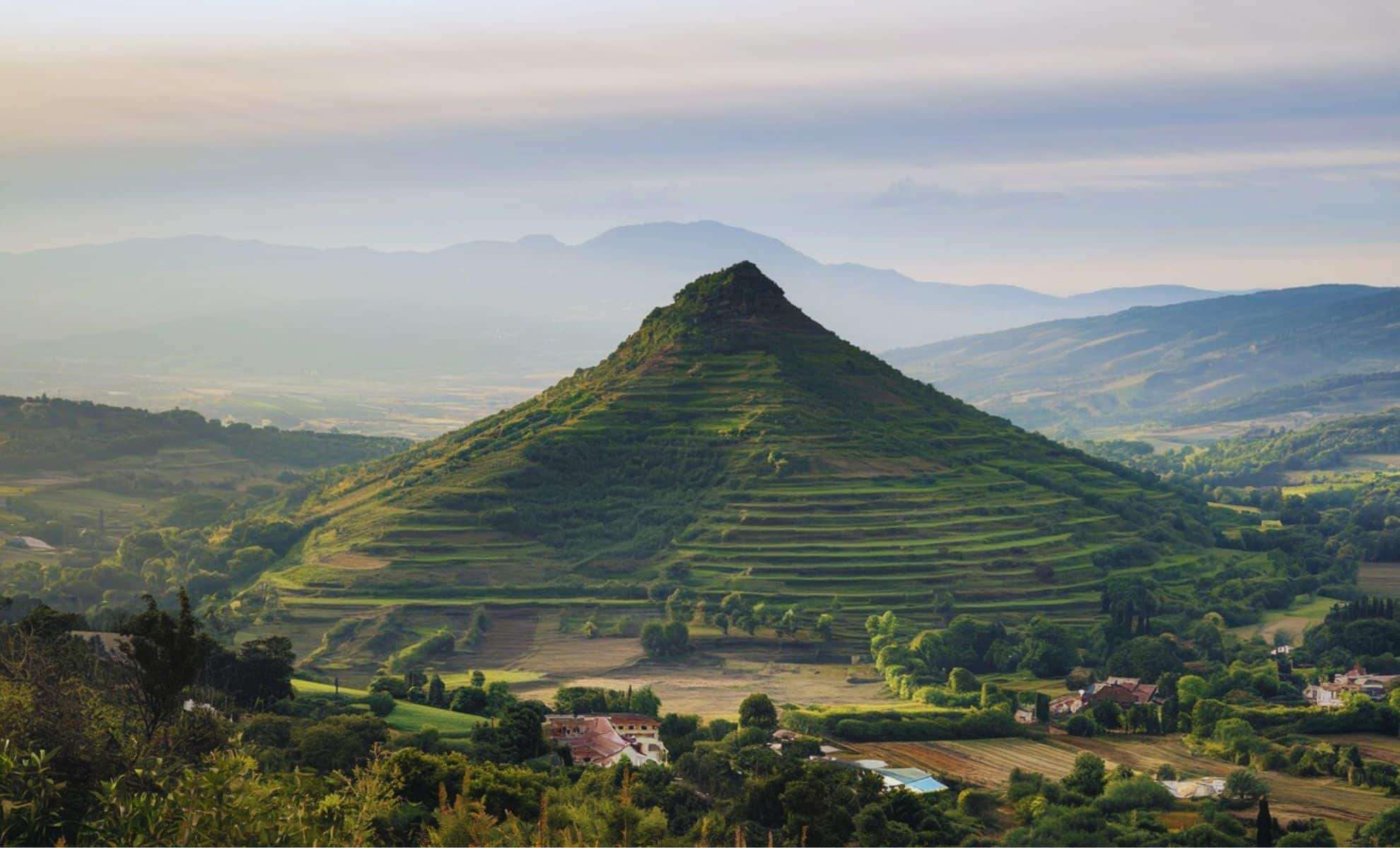
New research suggests that Gunung Padang, a megalithic site located in West Java, Indonesia, might actually be the oldest pyramid structure on Earth, potentially constructed as far back as 25,000 years ago. If confirmed, this discovery could significantly alter our understanding of early human engineering and architectural development.
Site Overview and Historical Significance
Situated in the Cianjur District of West Java, Gunung Padang has long intrigued archaeologists and local communities alike. Often called the “Mountain of Enlightenment,” this elevated site was once thought to be a natural hill. Its summit features terraces and megalithic stone formations that have carried spiritual importance for generations.
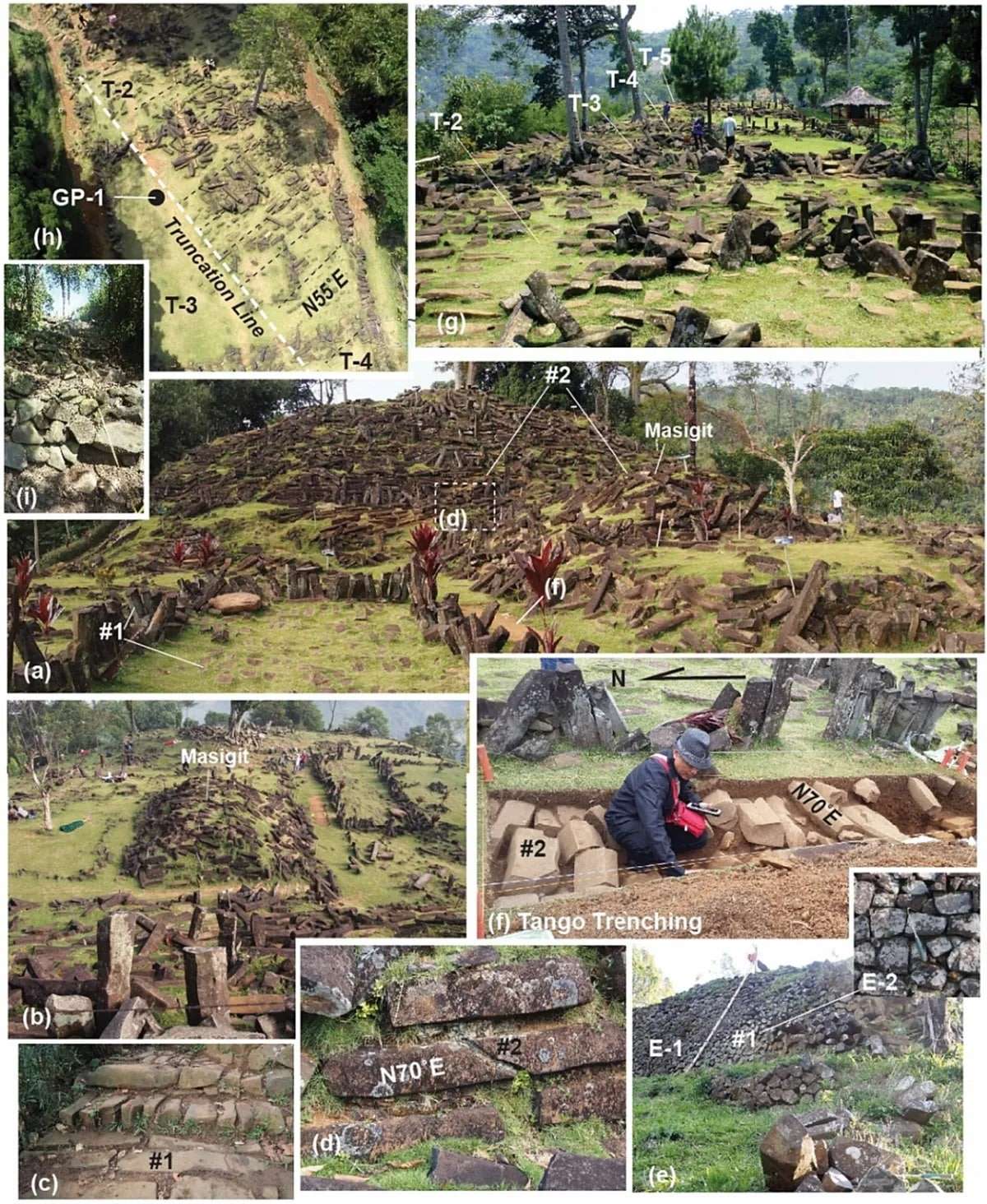
In 2018, a team of Indonesian scientists suggested that the hill might actually be a massive, man-made pyramid. This theory followed years of research led by Danny Hilman Natawidjaja, a senior geologist with Indonesia’s Center for Geotechnology at the Indonesian Institute of Sciences, conducted between 2011 and 2014.

Research Methods and Discoveries
The investigative team employed advanced techniques such as ground-penetrating radar (GPR), electrical resistivity tomography (ERT), seismic tomography (ST), alongside core drilling to probe beneath the surface. Their data revealed that Gunung Padang is not a naturally formed hill, but instead a complex pyramid-like construction with multiple layers built over tens of millennia.
Revealing the Building Phases
- Unit 4 (25,000–14,000 years ago): The pyramid’s lowest layer formed from a natural lava hill that was carefully reshaped by human hands to form the base.
- Unit 3 (7900–6100 BCE): Builders added a layer composed of column-shaped rocks arranged like brickwork.
- Unit 2 (6000–5500 BCE): Further stone modifications enhanced the structure’s complexity.
- Unit 1 (2000–1100 BCE): The uppermost phase displayed sophisticated masonry techniques, polishing the pyramid’s final form.
Hidden Spaces and Possible Burial Sites
Within the pyramid, the team located concealed chambers and cavities hinting at a sophisticated internal design. These unexamined areas could hold vital clues regarding the pyramid’s function and the culture that created it. Additionally, evidence indicates the structure was intentionally covered multiple times, potentially to safeguard its original design.
Implications for Archaeology and Human History
The discovery challenges established beliefs about when humans developed advanced construction techniques. Researchers argue that the skilled craftsmanship evident at Gunung Padang suggests a technological prowess far earlier than previously assumed—predating the rise of agriculture and complex societies.
Debate and Scientific Scrutiny
Despite its transformative potential, the findings have met considerable criticism. The journal Wiley withdrew the initial publication after outside experts questioned the study's methodology and conclusions, citing insufficient evidence to back the claims.
Although the paper's retraction casts doubt, it does not diminish the possibility that Gunung Padang remains a site of considerable archaeological importance, warranting additional analysis and validation.
Ongoing Research and Future Prospects
The hidden chambers present a promising focus for future expeditions, potentially uncovering artifacts or architectural details that clarify Gunung Padang’s origins and purpose. More precise radiocarbon dating and geological studies are essential to establish a well-defined construction timeline.
Key Figures and Institutions
- Danny Hilman Natawidjaja: Lead geologist spearheading the Gunung Padang investigations.
- Center for Geotechnology at the Indonesian Institute of Sciences: The primary research organization responsible for the study.
While the debate continues over Gunung Padang’s status as the planet’s oldest pyramid, the site undeniably holds significant cultural and archeological value. Whether ultimately proven to be an ancient monument or a misunderstood natural formation, it opens new avenues for exploring humanity’s distant past.
Details of the research can be found in the journal Archaeological Prospection.
- Categories:
- Science











0 comments
Sign in to Comment