
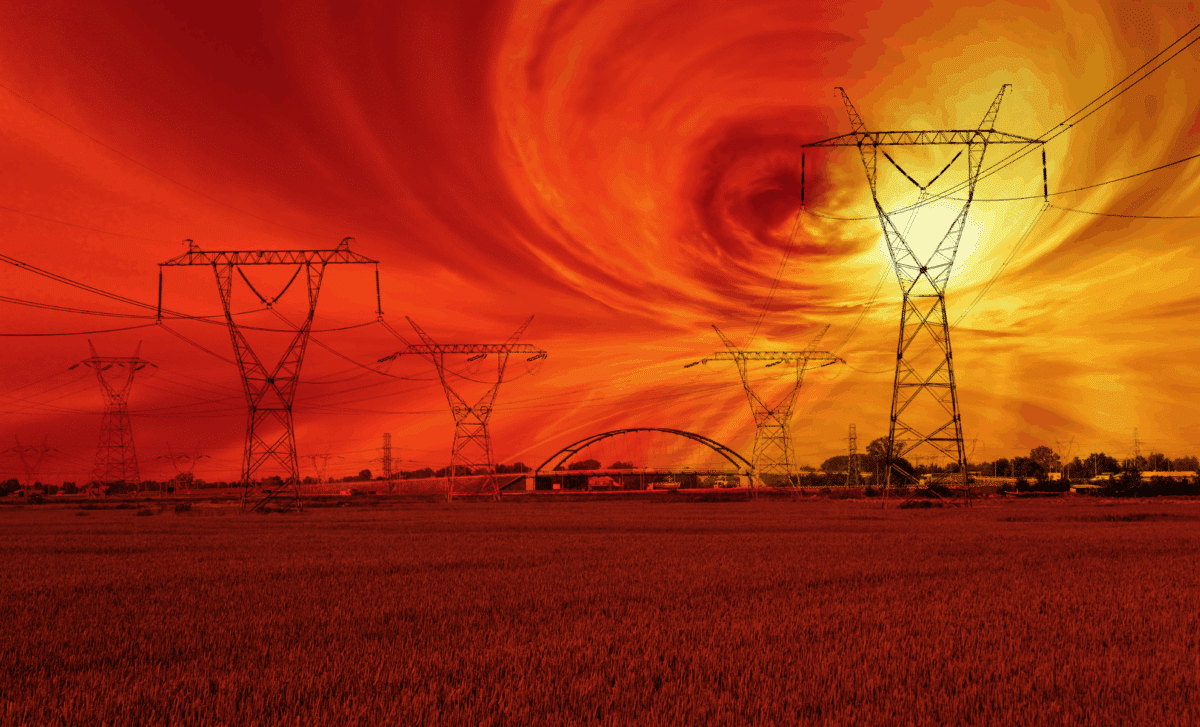
Invisible yet potentially catastrophic, space weather poses a growing danger as society increasingly relies on satellites for communication, navigation, and more. The European Space Agency (ESA) recently conducted a rigorous simulation to evaluate its readiness against one of the most intense solar storms on record. Their objective was to test how well mission teams could handle the widespread disruption that a major solar event would unleash.
Understanding the Uncertain Nature of Space Weather
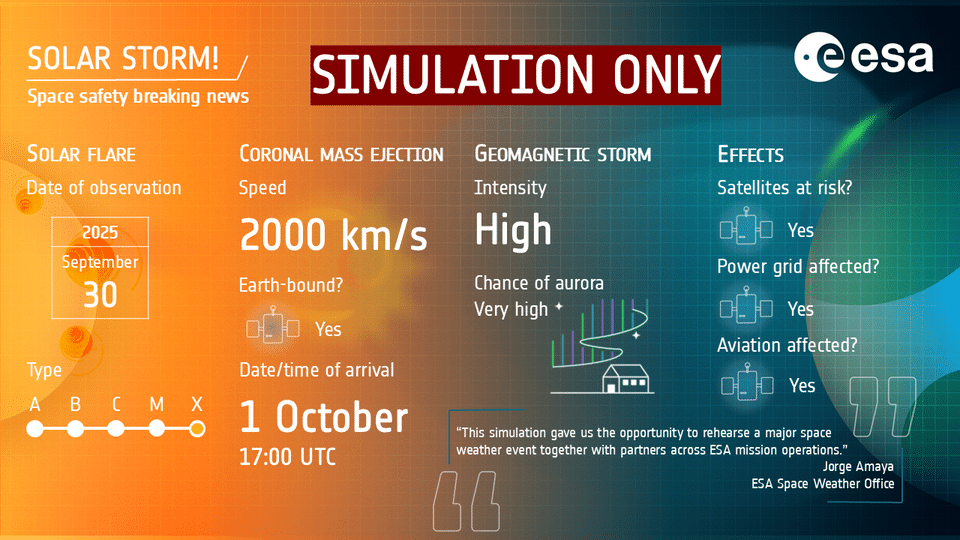
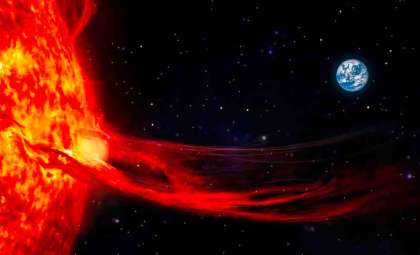
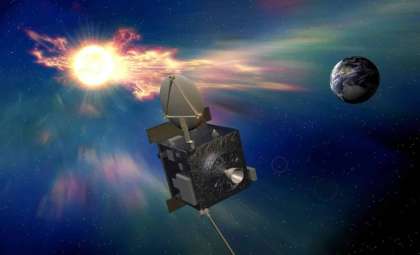
Space weather is fueled by the Sun’s erratic activity. Solar flares and coronal mass ejections (CMEs) unleash enormous bursts of energy, including charged particles and electromagnetic waves, into the space environment. When these reach Earth, they have the potential to disrupt satellites, power networks, and navigation systems. ESA recently challenged its preparedness by simulating a solar storm event on the scale of the infamous 1859 Carrington Storm — the most powerful solar storm ever observed.
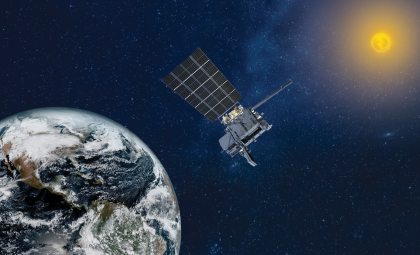
This drill, integrated within the Sentinel-1D mission framework, sought to examine how ESA mission operators would react to a severe solar flare scenario.

“Should such an event occur, there are no good solutions. The goal would be to keep the satellite safe and limit the damage as much as possible,” says Thomas Ormston, Deputy Spacecraft Operations Manager for Sentinel-1D.
The exercise considered not just individual satellites but also the compounded effect on a network of spacecraft and systems, underscoring the critical need for coordinated global responses to these events of planetary scale.
Initial Warning: Solar Flares and Their Impacts
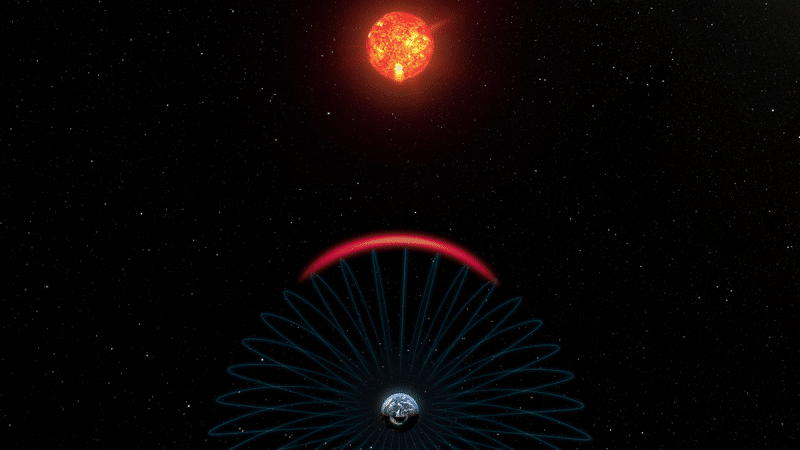
The simulation began with an intense solar flare—a sudden and powerful emission of radiation from the Sun. Such flares can interfere with satellite signals, radar operations, and GPS functionality. In this scenario, a massive X45-class flare was used, surpassing typical flare magnitudes. Its impact was immediate, causing communication blackouts, GPS failures, and loss of satellite tracking by ground stations, especially at polar latitudes.
“The solar flare took team members by surprise. But once they regained composure, they knew a countdown had begun. In the next 10 to 18 hours, a coronal mass ejection would strike, and they had to brace for it,” explains Gustavo Baldo Carvalho, Lead Simulation Officer of Sentinel-1D.
The irregularity of space weather events makes prediction difficult—far less precise than forecasting terrestrial weather. The team was compelled to stay vigilant and prepare for subsequent, compounding disruptions.
The Crucial Challenge: Coronal Mass Ejection Impact
Following the initial flare’s radiation, the simulation escalated with the arrival of a coronal mass ejection—a powerful wave of solar wind packed with magnetic fields. This stage proved particularly harmful to satellites in low-Earth orbit, where increased atmospheric drag caused by the CME can alter their trajectories. The changes raise the danger of satellite collisions and complicate tracking efforts.
“Should such a storm occur, satellite drag could increase by 400% with local peaks in atmospheric density. This not only affects collision risks but also shortens satellite lifetimes due to increased fuel consumption to compensate for the orbit decay,” says Jorge Amaya, Space Weather Modelling Coordinator at ESA.
The consequences extend beyond navigation troubles—satellites would rapidly deplete fuel as they adjust to altered conditions, reducing their operational lifespan. This scenario underlines the urgency of proactive planning to safeguard satellite infrastructure, which underpins numerous essential services.
Heightened Danger: Collision Risks Among Satellites
As the CME-induced drag affected satellites, another serious concern emerged—a surge in collision hazards. The dramatic rise in atmospheric density created a more hazardous environment where satellites, already compromised by radiation and drag, faced increased chances of impacting space debris or other craft. This scenario forced mission teams into a precarious balancing act when making operational decisions.
“The immense flow of energy ejected by the Sun may cause damage to all our satellites in orbit. Satellites in low-Earth orbit are typically better protected by our atmosphere and our magnetic field from space hazards, but an explosion of the magnitude of the Carrington event would leave no spacecraft safe,” says Jorge.
ESA mission control faced a complicated environment where rapidly escalating risks challenged conventional collision prediction tools. Jan Siminski of ESA’s Space Debris Office highlighted, “An event of such magnitude would severely degrade the quality of conjunction data, making collision predictions increasingly difficult to interpret as probabilities shift rapidly.”
- Categories:
- News




0 comments
Sign in to Comment