
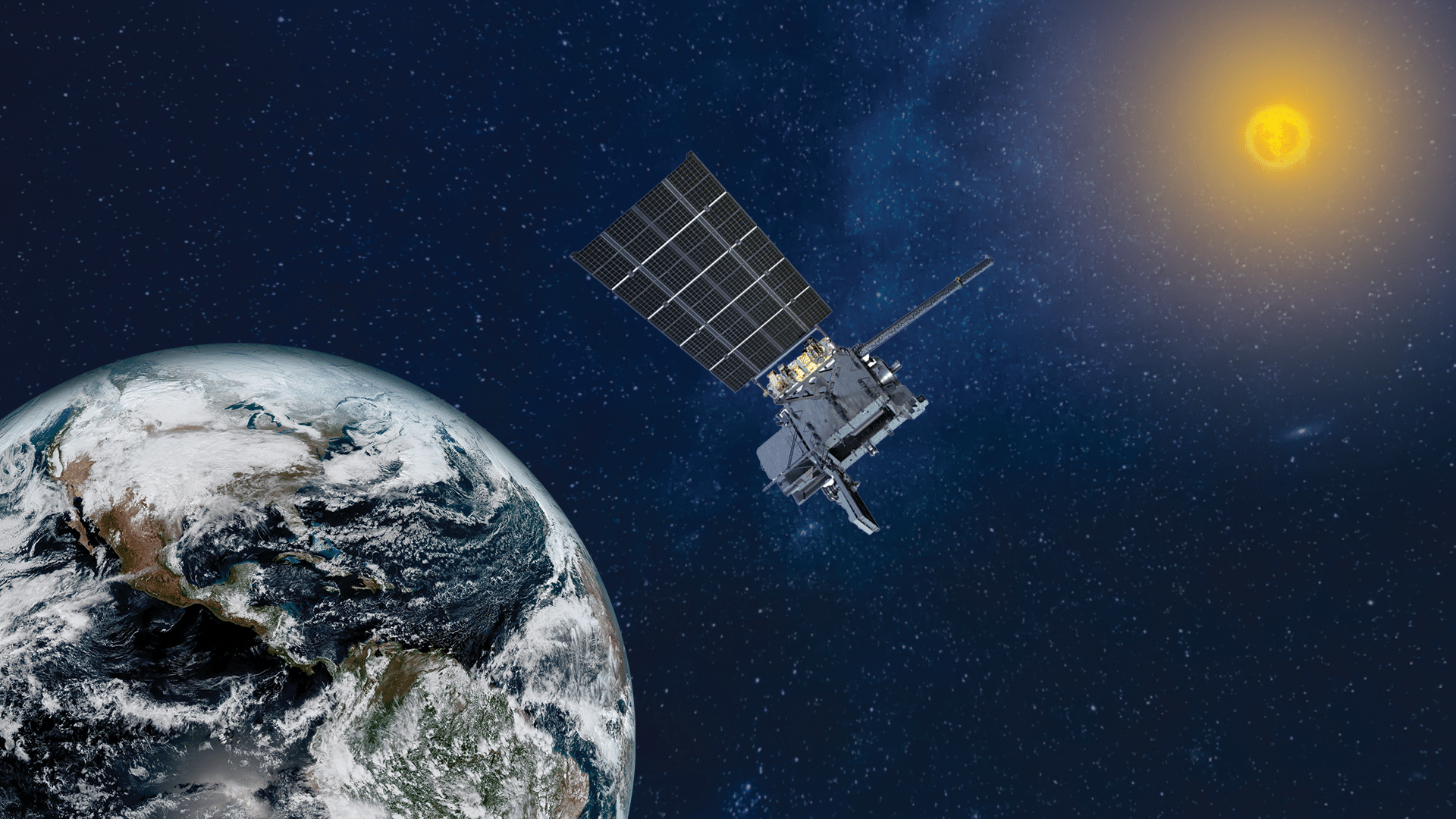
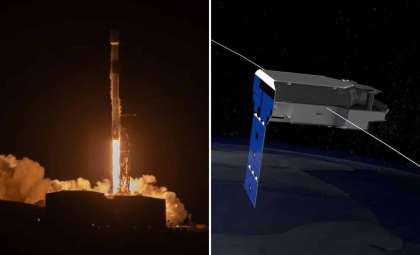
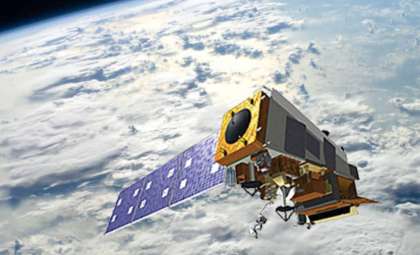
The GOES-19 satellite has commenced its operational phase, promising to transform how weather patterns and space weather phenomena are observed. According to NOAA, this state-of-the-art satellite delivers high-definition images and instantaneous atmospheric data critical for tracking hurricanes, wildfires, severe weather outbreaks, and solar storm activity. Succeeding GOES-16 as NOAA's leading geostationary platform, GOES-19 boasts capabilities that extend significantly beyond conventional weather surveillance.
Revolutionizing Weather Observation Capabilities
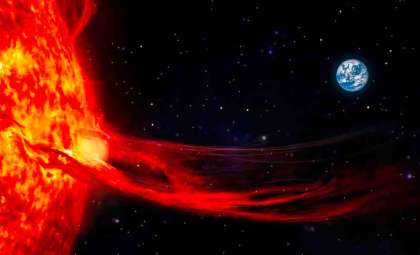
The GOES-19 satellite features cutting-edge instruments, including NOAA’s inaugural compact coronagraph (CCOR-1), which specializes in observing solar phenomena such as coronal mass ejections (CMEs). These solar events possess the potential to severely disrupt communication networks, GPS navigation, and electrical grids. By occluding the bright solar disk, the coronagraph allows researchers to study the sun’s corona—the outermost layer—capturing significant energy emissions that might affect Earth.
“Ensuring proper alignment and completing individual tests of all seven instruments are crucial steps. Each instrument is powered on to collect preliminary data,” said Dan Lindsey, NOAA’s GOES-R program scientist. He described this as the pinnacle of his career, highlighting the essential role of this system in advancing solar storm prediction.

The Significance of the Compact Coronagraph
The compact coronagraph (CCOR-1) integrated on GOES-19 enables continuous real-time solar corona observation, granting early alerts for space weather events, such as solar storms that can trigger geomagnetic disturbances on Earth. Lindsey explained, “It effectively blocks the sun’s intense light and captures images of the corona, enabling us to detect coronal mass ejections and forecast their arrival at Earth.” This breakthrough advances the timeliness and precision of solar storm forecasts, helping protect vital infrastructure from potential harm.
GOES-19’s Role in Earth's and Space Weather Forecasting
Information from GOES-19 will play a pivotal role in predicting severe terrestrial weather events including hurricanes, wildfires, and volcanic activities. By maintaining continuous surveillance over the Western Hemisphere, the satellite equips meteorologists and emergency responders with vital data to enhance preparedness and response strategies. Now operational, GOES-19 complements GOES-18 to form NOAA’s principal satellite network, guarding an extensive region spanning from Africa’s west coast to New Zealand.
- Categories:
- News





0 comments
Sign in to Comment