
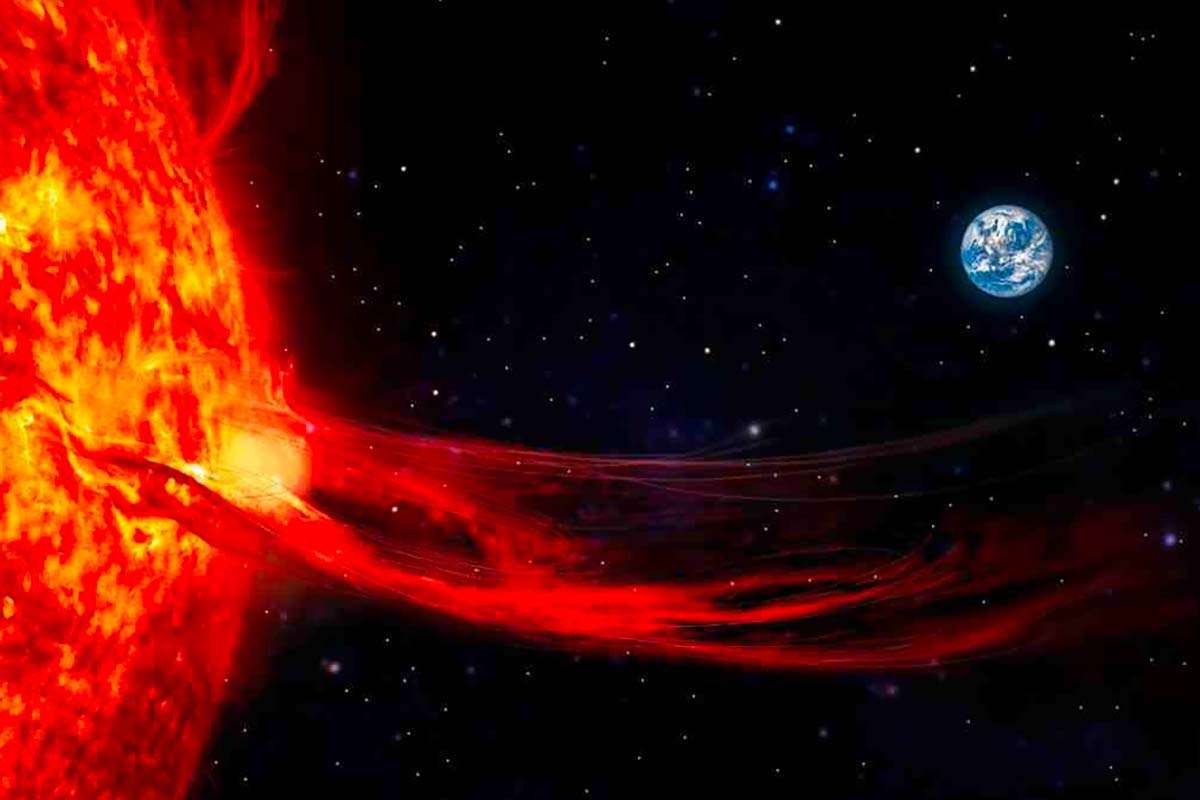
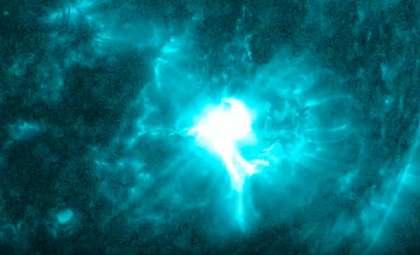
Solar flares, frequent outbursts from our Sun, are awe-inspiring natural occurrences but can severely disrupt our technology-reliant world. In response, NASA has created a cutting-edge system that delivers alerts up to 30 minutes before a damaging solar storm strikes.
What Are Solar Storms?
Solar storms consist of bursts and emissions from the sun, naturally occurring as part of an approximately 11-year cycle. Most of these energetic events originate in the sun’s photosphere through the release of charged particles, triggered by accumulated magnetic tension near the solar equator. Their strength varies widely and is classified in a manner akin to how we rank storms on Earth, such as hurricanes.
The Carrington Event: A Landmark Solar Storm
The most powerful solar storm known was the Carrington Event of 1859. This storm painted the night sky with spectacular auroras visible from the Caribbean islands to northern mountain ranges. Starting with sunspot observations on August 28 and culminating in a massive flare on September 1, this event caused serious disruptions, including telegraph system fires and electric shocks.

Technology’s Fight Against Solar Storm Risks
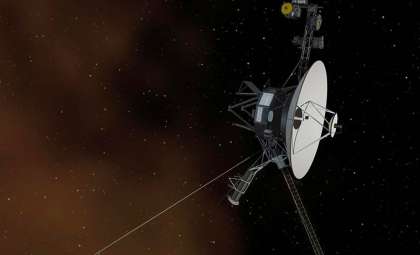
Recent incidents highlight the dangers solar storms pose to our electric grids and communication networks. For instance, a major storm in 1991 led to a widespread blackout in Quebec, Canada. To better forecast these threats, NASA has developed an AI-driven model named DAGGER, which integrates data gathered from various solar observation spacecraft and uses deep learning to predict storm impacts swiftly and reliably.
DAGGER: Advancing Early Warning Systems for Solar Storms
DAGGER’s rapid and precise forecasting capabilities could transform our preparedness for solar storms. Offering a critical 30-minute warning window, this technology enables preventative actions that might reduce damage. Additionally, the model predicts not only storm timing but also the areas most likely to be affected.
In summary, although solar storms remain unpredictable natural hazards, innovations like DAGGER demonstrate how technology can enhance our ability to anticipate and manage these space weather events.



0 comments
Sign in to Comment