
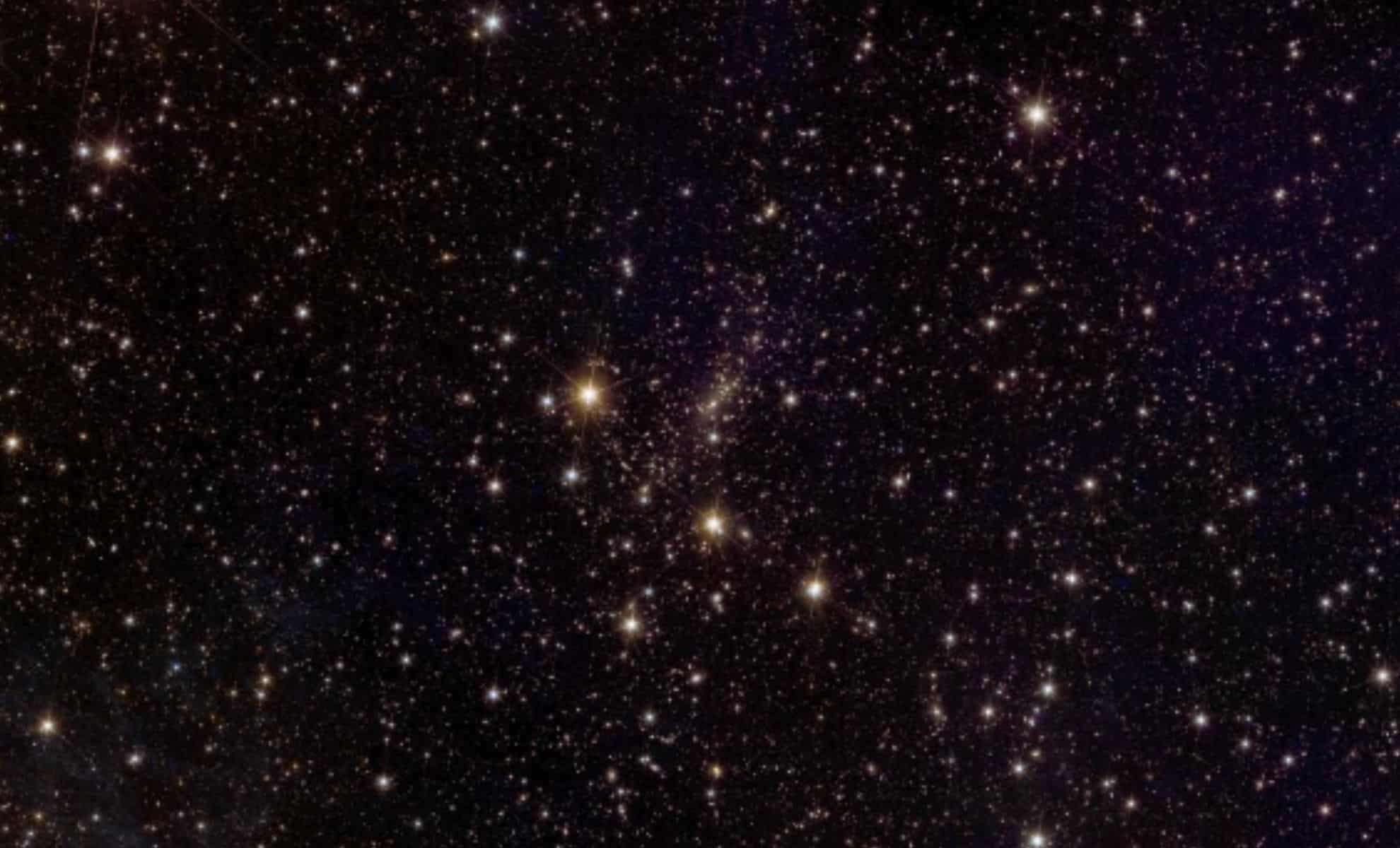
The European Space Agency's Euclid telescope has reached a significant landmark by releasing its initial science images, unveiling stunning views from across the universe.
These early images demonstrate Euclid’s powerful capability to explore cosmic mysteries ranging from wandering rogue planets to the elusive nature of dark matter and dark energy. Equipped with cutting-edge technology and driven by ambitious scientific goals, Euclid aims to transform our knowledge of the universe’s unseen forces.
Understanding Euclid's Goals and Mission
Euclid was launched with the purpose of probing the dark universe, mapping billions of galaxies covering more than a third of the sky. Its chief mission is to investigate dark energy and dark matter, the mysterious substances constituting about 95% of the cosmos.

By unlocking secrets of these enigmatic elements, researchers hope to deepen their grasp of the universe’s fundamental framework and its evolution. Over a six-year period, Euclid will deliver high-definition images and expansive datasets to tackle some of cosmology’s most profound questions.
Revealing the Universe Through First Imagery
Euclid’s debut images showcase its exceptional technological prowess. These Early Release Observations focused on 17 celestial targets, including nearby star nurseries and distant galaxy clusters.
Providing images four times sharper than those from terrestrial telescopes, Euclid captures expansive sky regions in both visible and infrared wavelengths. The sharpness and scope of these views are essential for examining the intricate arrangements and features of galaxies, stars, and various cosmic phenomena.
Highlights of Key Observations
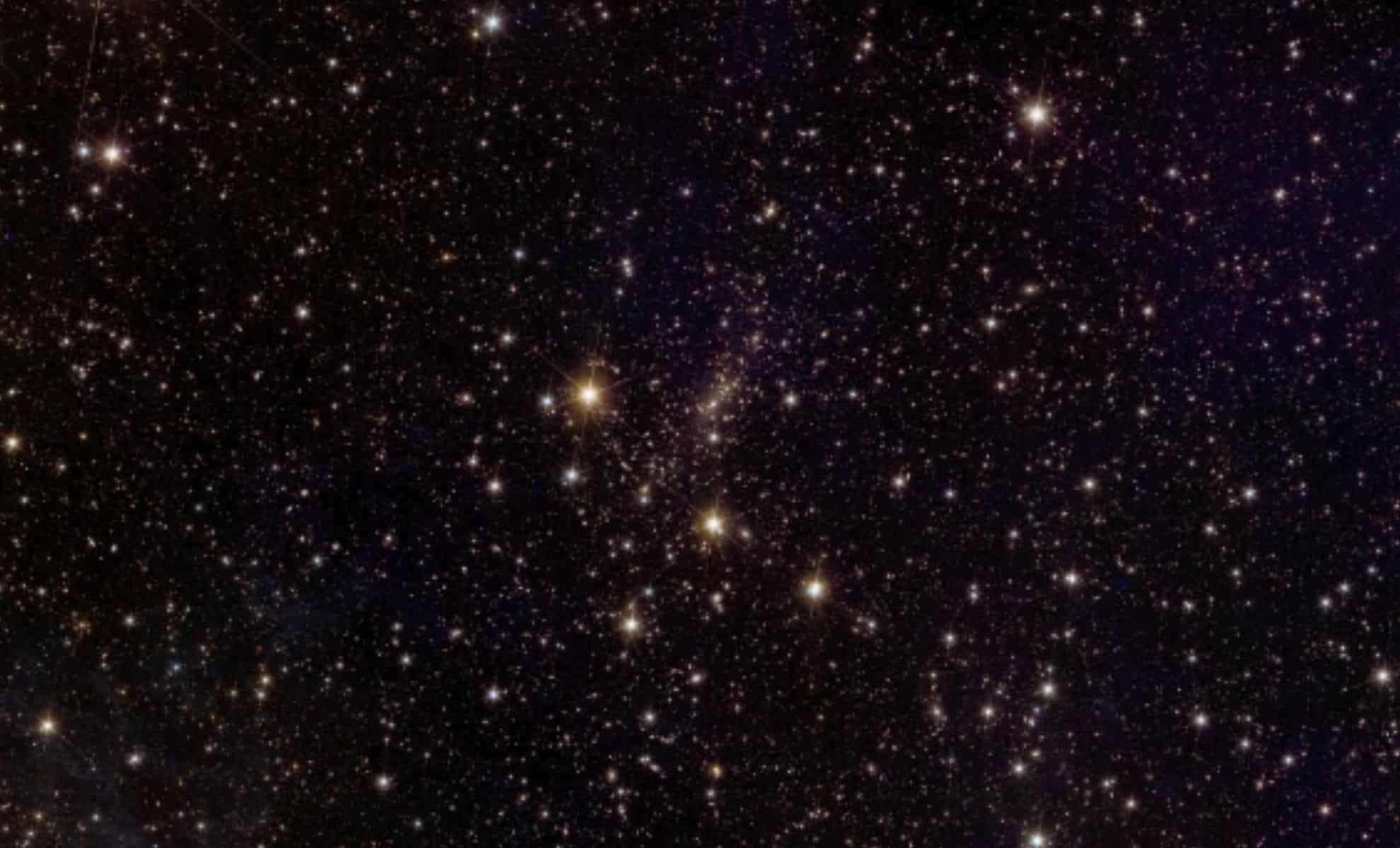
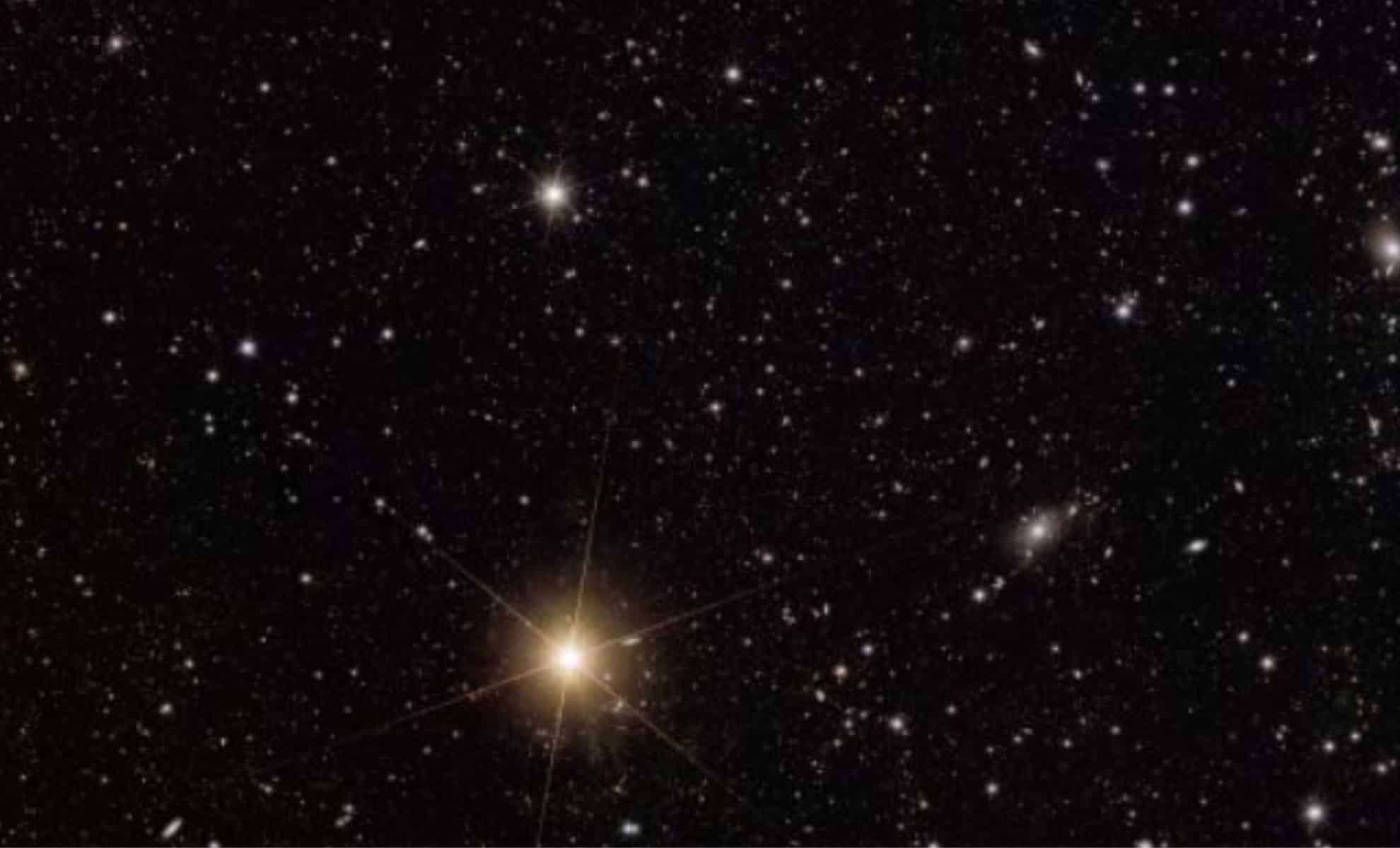
Galaxy Cluster Abell 2390
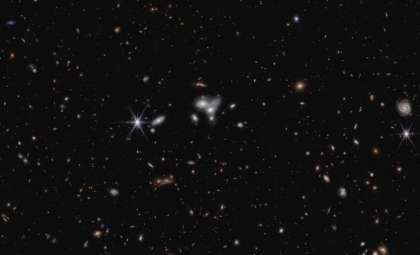
This image reveals over 50,000 galaxies and illustrates gravitational lensing effects, where gravity bends light from faraway objects. Studying this lensing helps scientists map dark matter distribution within the cluster.
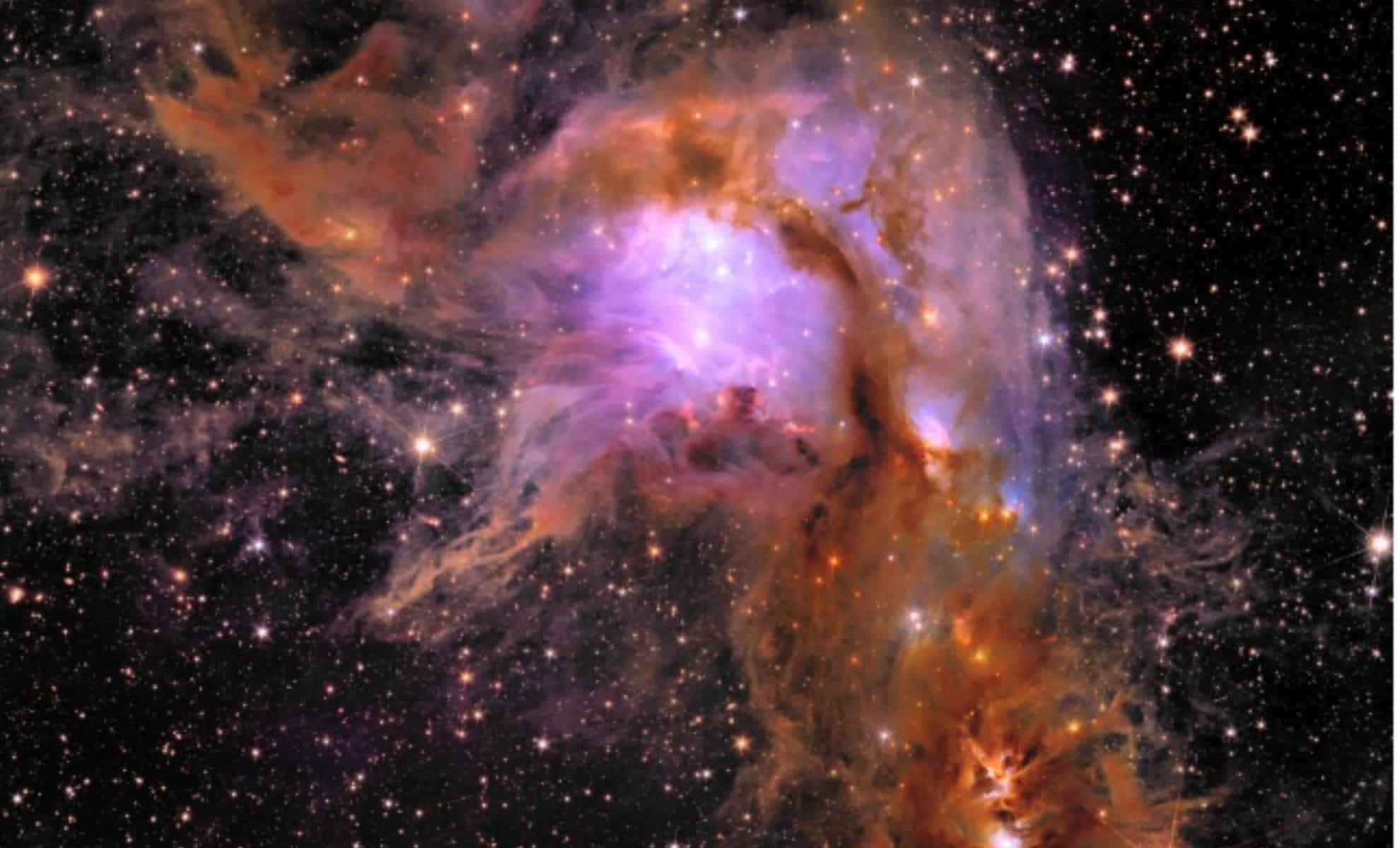
Star-Forming Region Messier 78
Euclid’s infrared imaging penetrates deep into this dynamic stellar nursery, unveiling obscured star formation zones and tracing intricate networks of gas and dust filaments. These observations shed light on the mechanisms that spark star birth.
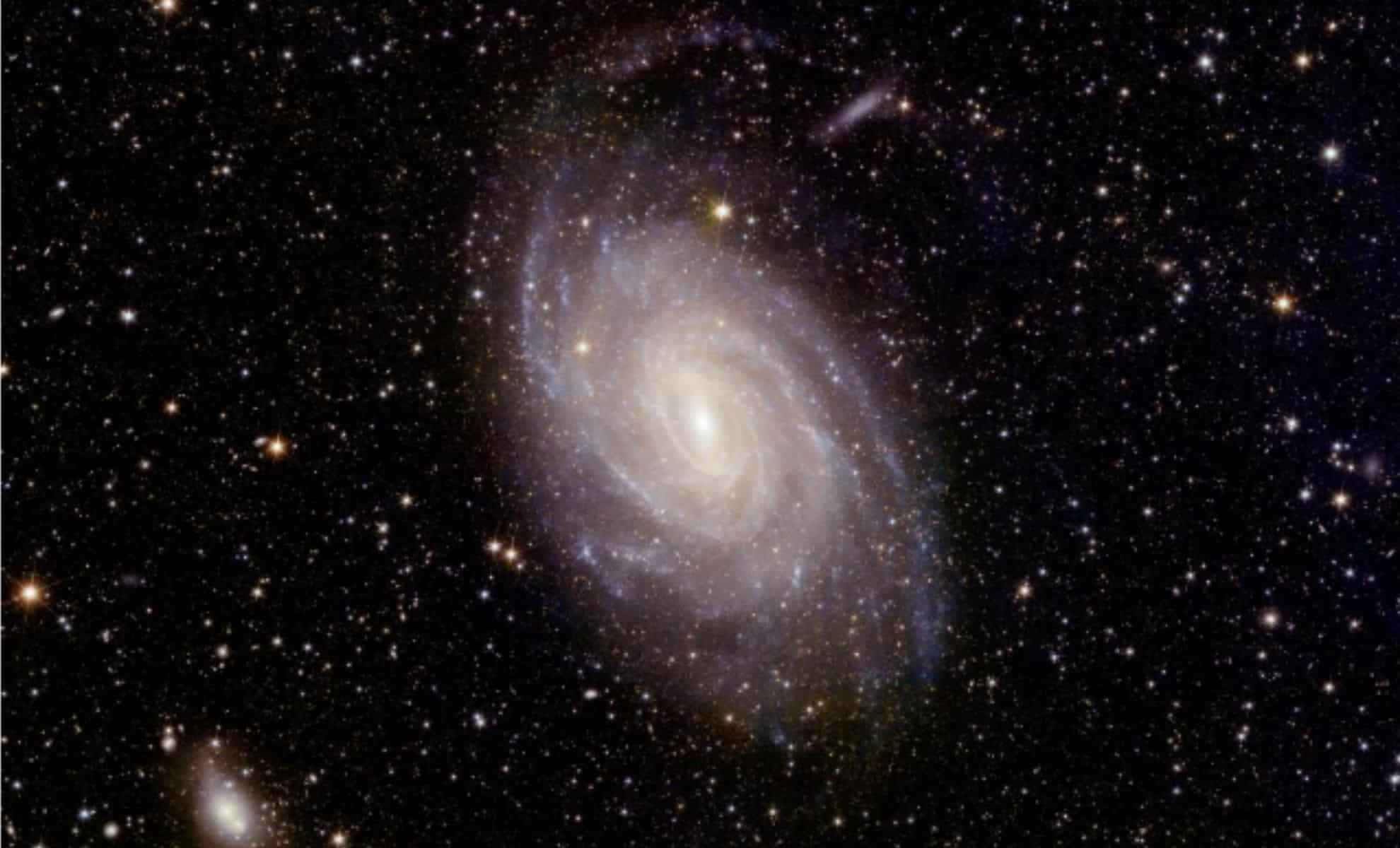
Spiral Galaxy NGC 6744
Euclid captured a detailed view of this entire spiral galaxy, revealing its structure and offering insights into star formation patterns and the spatial distribution of stellar populations. These data advance our understanding of galactic development and star lifecycles.
Galaxy Cluster Abell 2764
This cluster image features hundreds of galaxies, enabling in-depth study of interactions and the peripheral regions. Galactic encounters seen here can trigger mergers and influence galaxy growth over cosmic timescales.
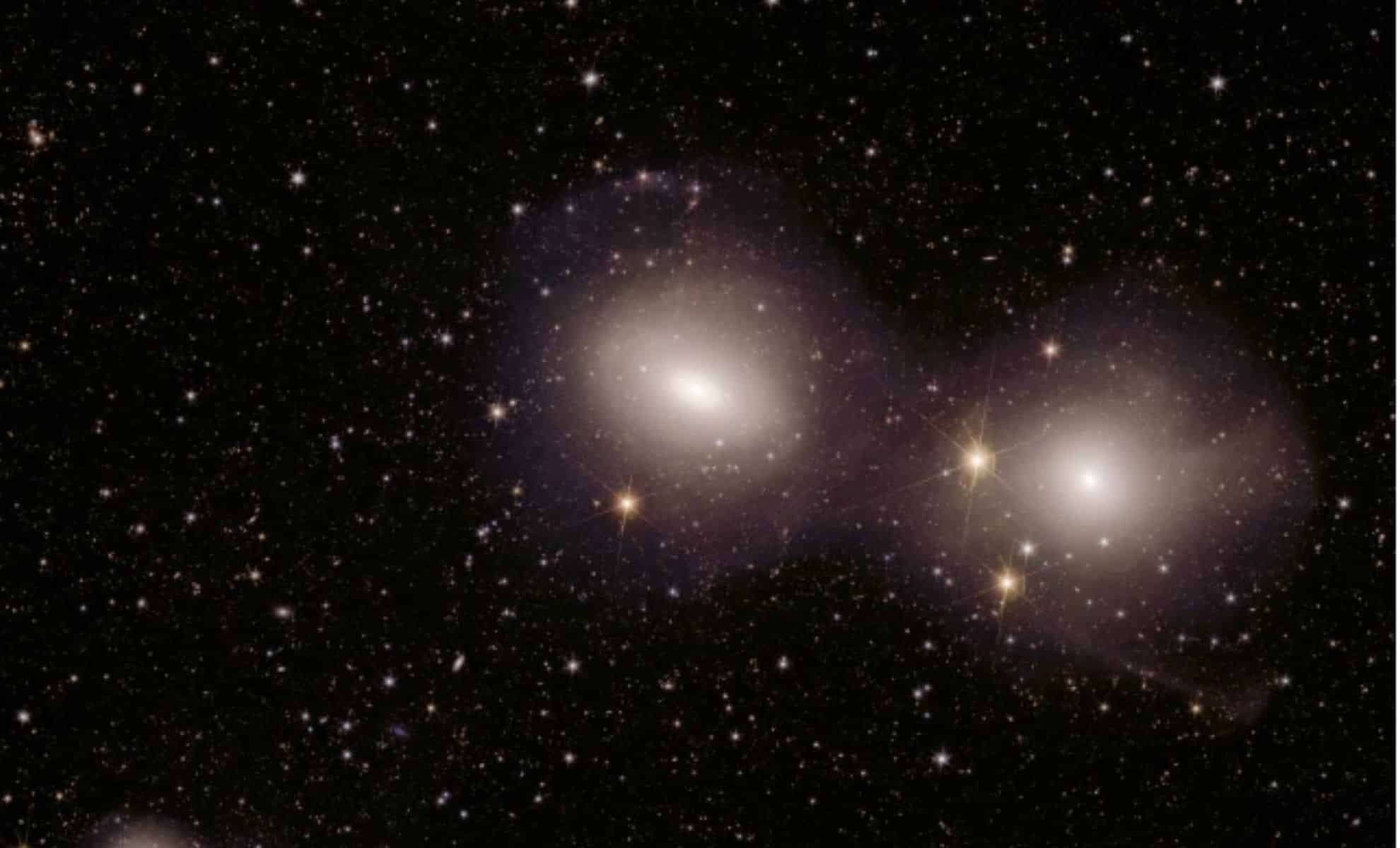
Dorado Galaxy Group
Images captured by Euclid reveal ongoing gravitational interactions within this group, including tidal streams and shell structures. These dynamic features are fundamental to decoding the processes shaping galaxy groups.
Tracking Down Rogue Planets
Among Euclid’s fascinating pursuits is its search for rogue planets—planets drifting freely without orbiting stars. By scanning star-forming regions and other cosmic locales, Euclid aims to identify these elusive bodies, which are difficult to detect through conventional techniques.
Preliminary data already indicate the telescope’s ability to potentially spot rogue planets with masses as small as four times that of Jupiter. Investigating these planets offers new opportunities to understand how planets form and behave outside traditional star systems.
Advancing Science and Upcoming Discoveries
Euclid’s first results mark just the beginning of its extensive six-year campaign. The telescope will persist in surveying vast cosmic volumes, generating comprehensive data sets for scientists to decode. These findings will deepen our knowledge of cosmic architecture, galaxy evolution, and the properties of dark energy and dark matter.
By combining observations in visible and infrared light, Euclid can capture a broad spectrum of cosmic targets, from faint, remote galaxies to bright stars close to home. This dual approach reveals subtle details often missed by other instruments. The treasure trove of data will be key to refining cosmological theories and answering essential questions about the universe’s origins, current state, and fate.
Global Cooperation for Cosmic Exploration
Euclid's mission is a testament to international collaboration, uniting numerous space agencies, research centers, and astronomers around the globe. This cooperation is vital for managing, processing, and interpreting the massive volume of data produced by the telescope.
In addition, partnerships with other space missions and observatories enable complementary studies and cross-checking of discoveries. This integrated strategy maximizes scientific outcomes and ensures Euclid’s data fulfills its full potential.
- Categories:
- News




0 comments
Sign in to Comment