
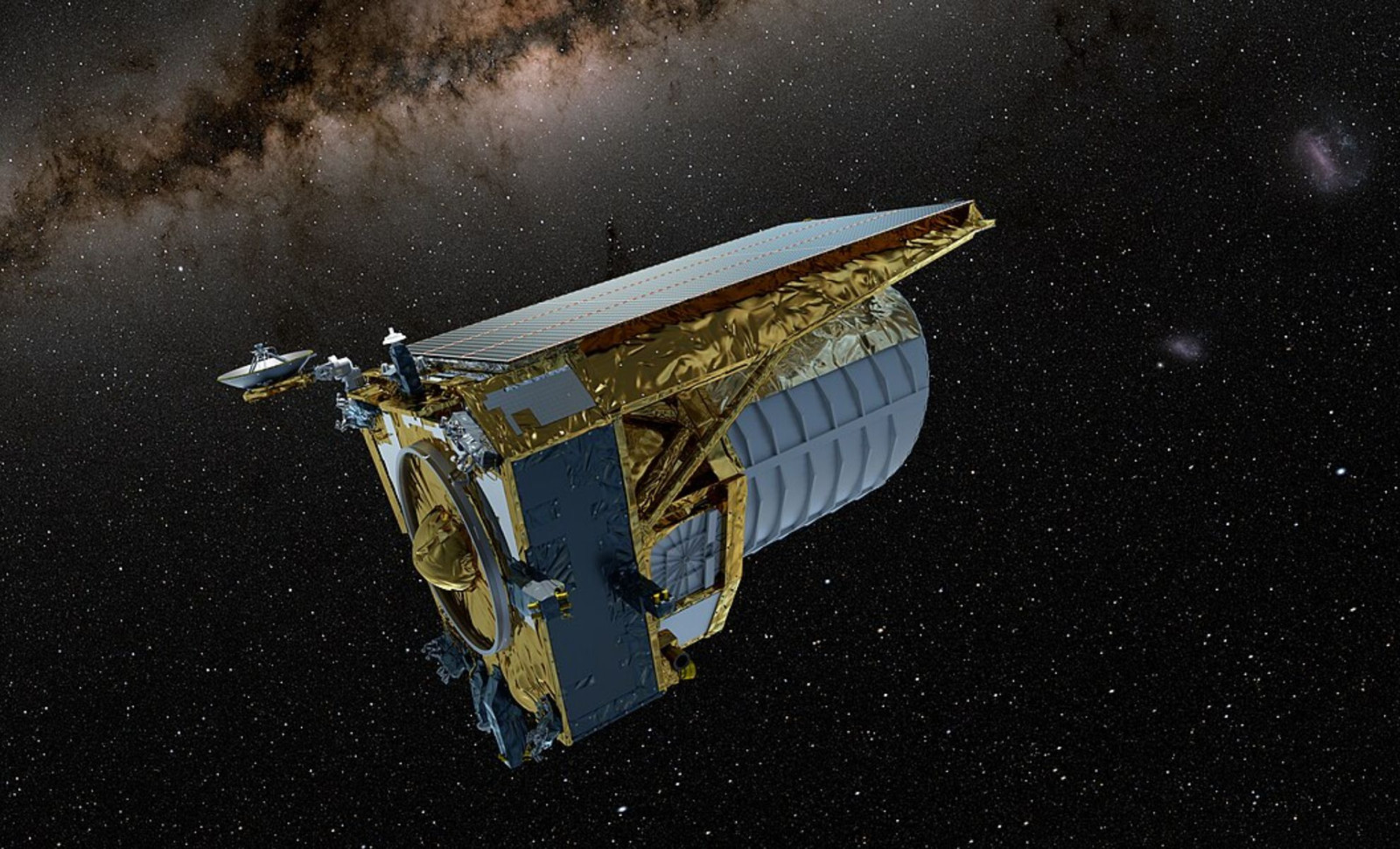
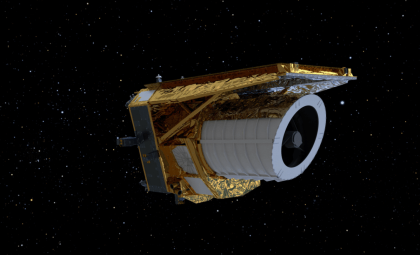
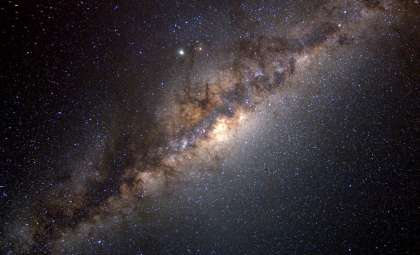
The European Space Agency’s Euclid telescope has unveiled the most expansive close-range image ever captured of the Milky Way’s central zone. Compiled using 26 hours of continuous observation, this extensive mosaic reveals over 60 million stars, offering a crucial tool for advancing exoplanet studies.
Originally launched to explore the universe's broad architecture and shed light on dark matter and dark energy, Euclid’s latest accomplishment turns its focus inward. By surveying the galactic bulge—the densely packed heart of our galaxy—the mission has generated one of the highest-resolution images to date of this complex star cluster.
The galactic bulge is among the most star-dense regions visible from Earth. Overlapping stellar images have historically made it challenging to resolve individual stars, but Euclid’s capabilities excel in disentangling this crowded field, providing clarity vital for astronomers.

Over 60 Million Stars Captured in a Single Frame
These observations were conducted in March 2025. The telescope’s visible-light camera gathered data during nine sessions over 26 hours, each capturing sky areas larger than the full Moon.
As detailed by the European Space Agency (ESA), this final composite image encompasses more than 60 million stars. Remarkably, Euclid was optimized for distant galaxy studies, yet it has demonstrated exceptional precision when observing the tightly packed stars at the galaxy’s center.
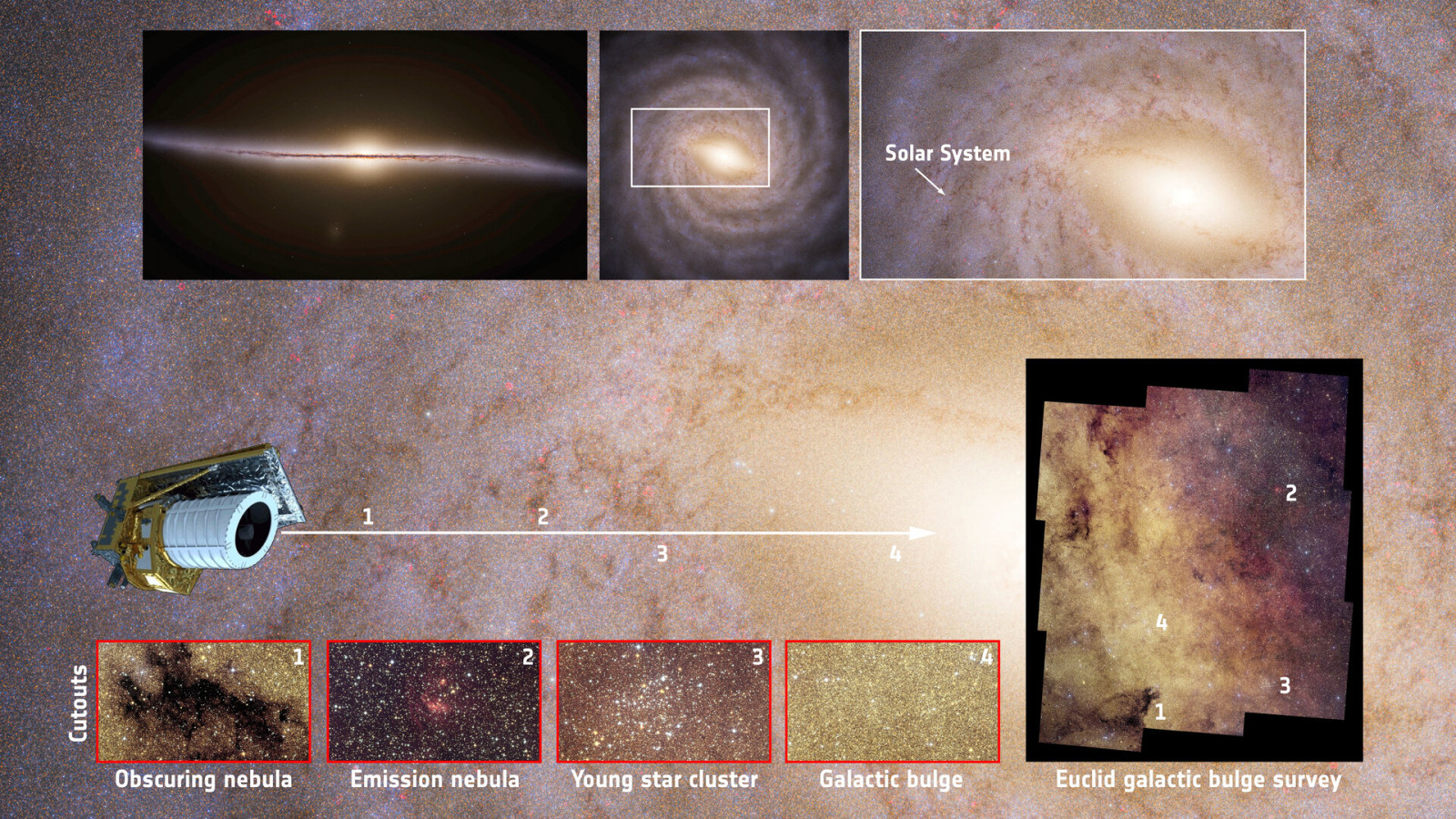
ESA emphasized Euclid’s ability to resolve individual stars throughout the crowded field with the accuracy necessary to enable meaningful scientific investigation.
Enhancing Exoplanet Discoveries
This detailed dataset is particularly promising for exoplanet research utilizing gravitational microlensing. This technique depends on the alignment of two stars along an observer's line of sight, where the foreground star’s gravity magnifies the background star’s light.
If the foreground star hosts a planet, that world can create an additional signal within this light pattern, revealing its presence. To date, nearly 300 exoplanets have been identified via microlensing, using ground-based telescopes centered on the Milky Way’s dense core.
“During the last twenty years, almost 300 exoplanets have been discovered using this technique, all with ground-based telescopes and all towards the centre of our galaxy. This image from Euclid includes 51 known planetary systems – and it will assist in studying many more that will be found,” explained Jean-Philippe Beaulieu, who initiated the Euclid Galactic Bulge Survey and co-led the Euclid Consortium’s exoplanet working group.
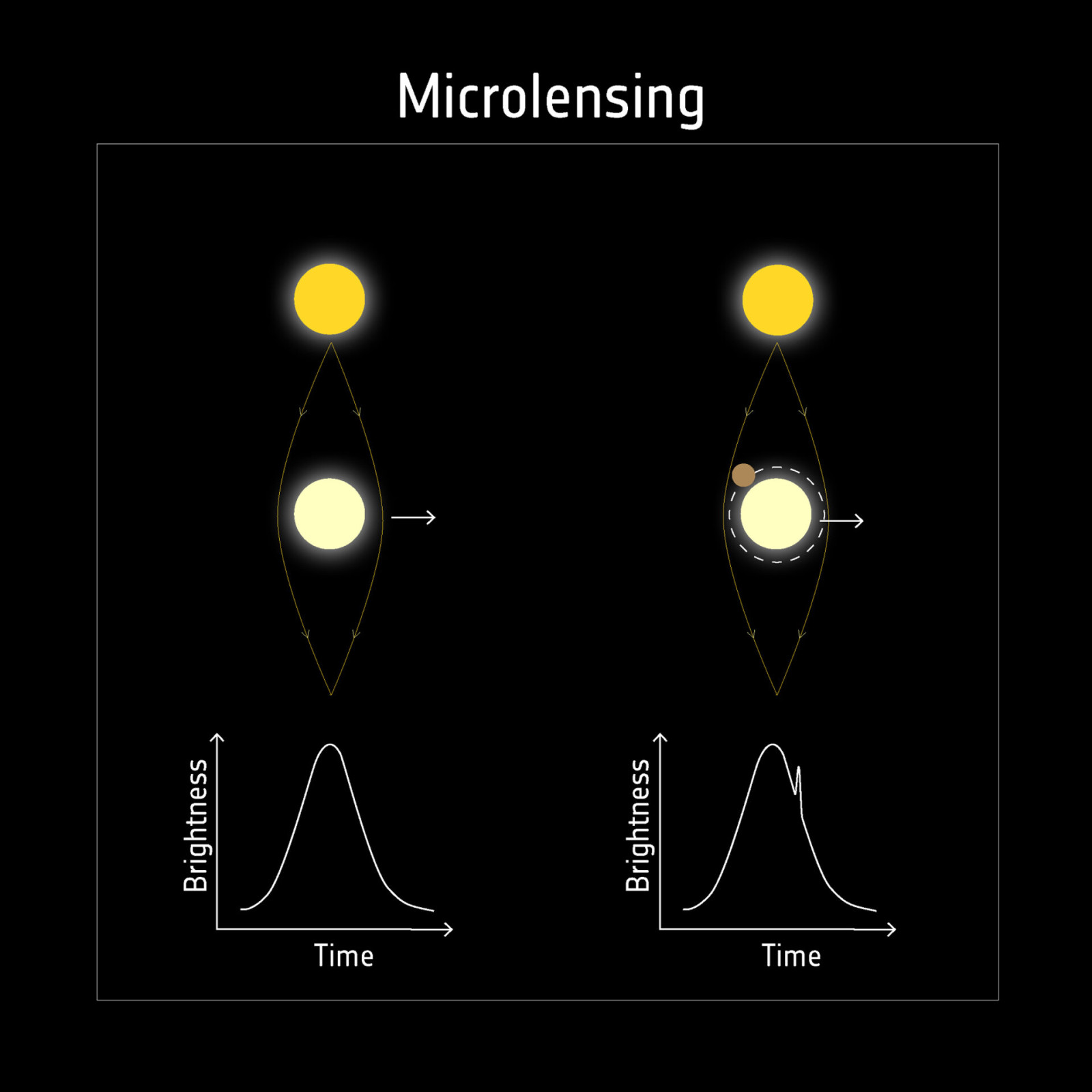
Although Euclid’s observation period was insufficient to record a complete microlensing event, it still acquired valuable data regarding the known stars and planetary systems within the observed area.
Paving the Way for Upcoming Exoplanet Explorations
These observations are expected to be particularly useful once NASA’s Nancy Grace Roman Space Telescope begins its own planet-hunting mission. Scheduled for launch no earlier than August 30 atop a SpaceX Falcon Heavy rocket from Kennedy Space Center in Florida, Roman will employ microlensing to uncover new exoplanets, many in the same galactic neighborhood observed by Euclid.
This means astronomers now have a precise stellar map ready for comparison with future microlensing signals.
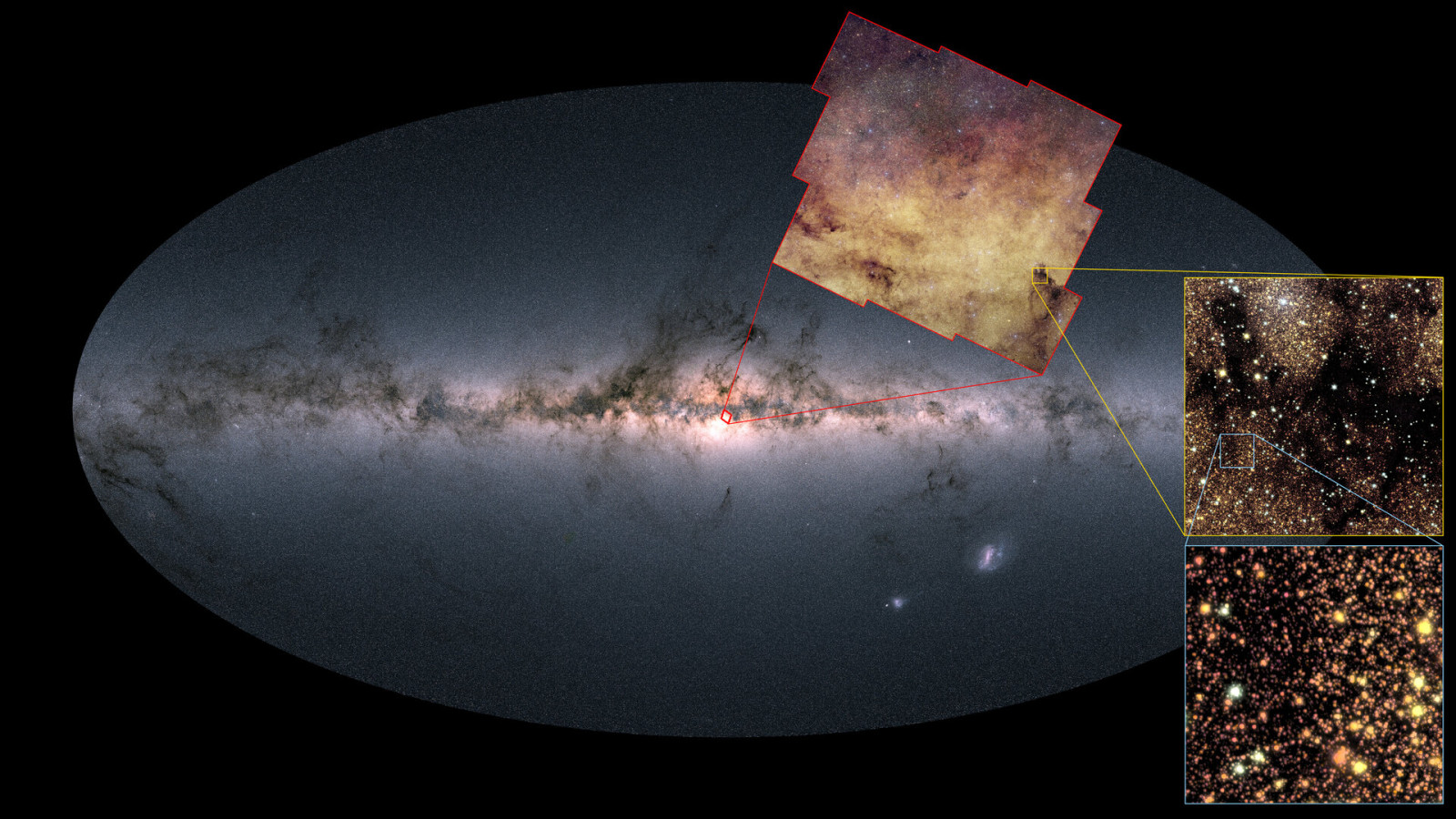
As explained by Natalia Rektsini from the Paris Institute of Astrophysics, who coordinated the public release of this data set, continued observations can be compared with Euclid’s images to monitor how stars move over extended periods.
“Since Euclid can clearly separate individual stars, one can then measure how fast they move over time, and use that information to confirm the existence of a planet and determine its mass. This would not be possible with data from one point in time,” she said.
This recently published mosaic is thus both an exquisite snapshot of the Milky Way’s core and a foundational resource for forthcoming planetary discoveries within this bustling stellar region.
- Categories:
- Space



0 comments
Sign in to Comment