
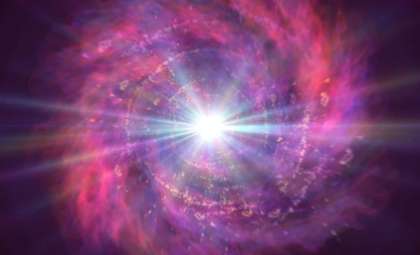
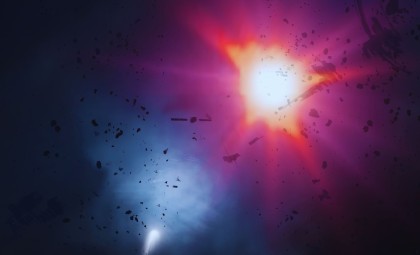
For the first time ever, scientists have obtained sharp, detailed snapshots of stellar explosions just days after they began. Using combined observations from various telescopes, the research team uncovered that nova eruptions are significantly more intricate than once assumed, displaying multiple ejection flows and, in some cases, delayed expulsion of material.
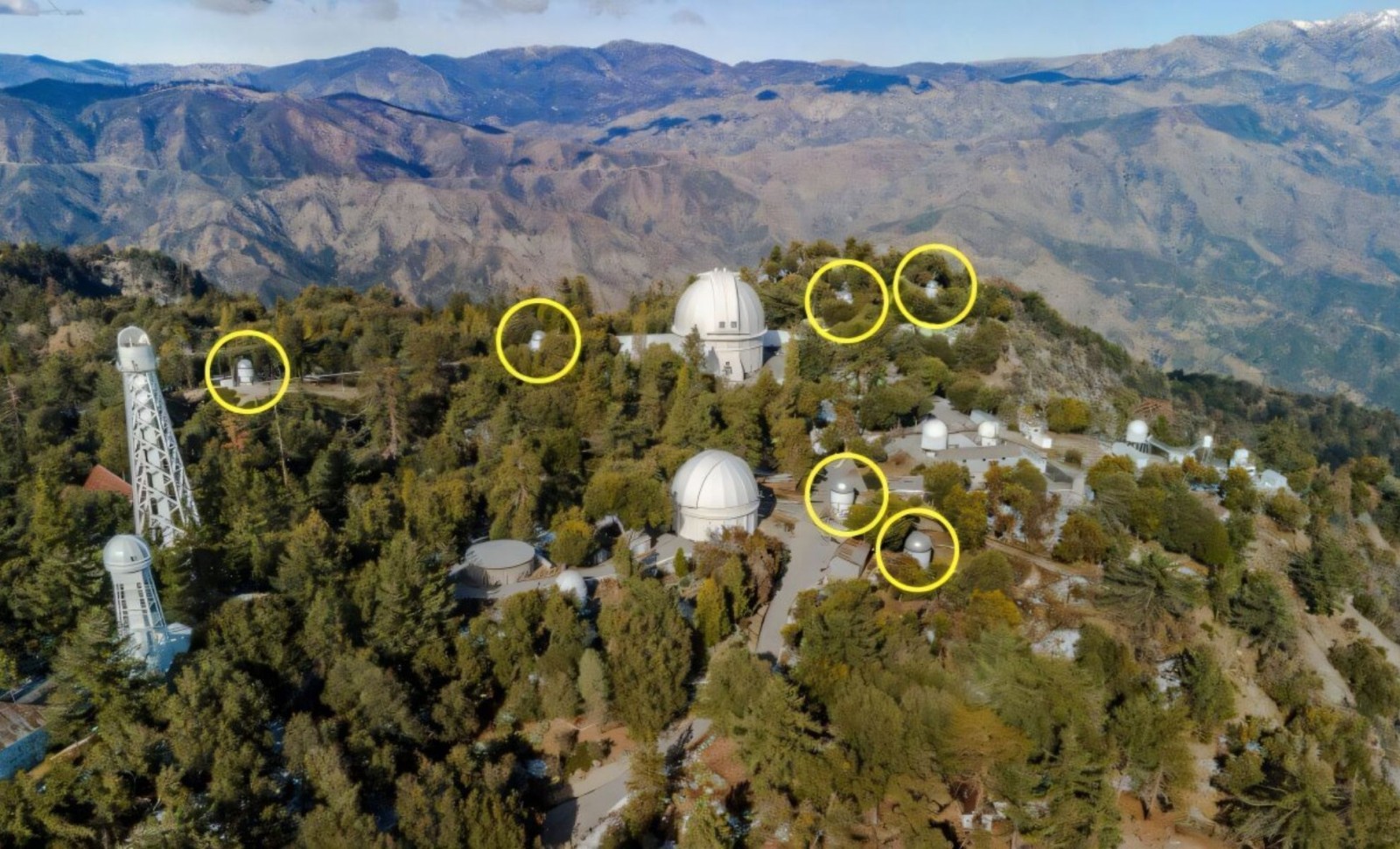
Featured in Nature Astronomy, this global collaboration employed a cutting-edge method called interferometry at the CHARA Array in California. Their advanced imaging reveals the complex ways stars release matter during these catastrophic events.
A New Era in Watching Novae
Novae—which happen when a white dwarf star pulls gas from a neighboring star, triggering explosive nuclear reactions—have traditionally been studied indirectly. Until now, initial phases were only inferred from how the expanding glow appeared as a single unresolved point. According to Georgia State’s Gail Schaefer, who leads the CHARA Array,

“Catching these transient events requires flexibility to adapt our nighttime schedule as new targets of opportunity are discovered,” emphasizing the agility needed for such observations.
In their study featured in Nature Astronomy, the researchers utilized interferometry, combining light gathered from multiple telescopes to achieve exceptional image clarity. This technique, also successfully applied to black hole imaging, enabled the team to observe nova explosions in remarkable detail.
Examining Two Unique Novae
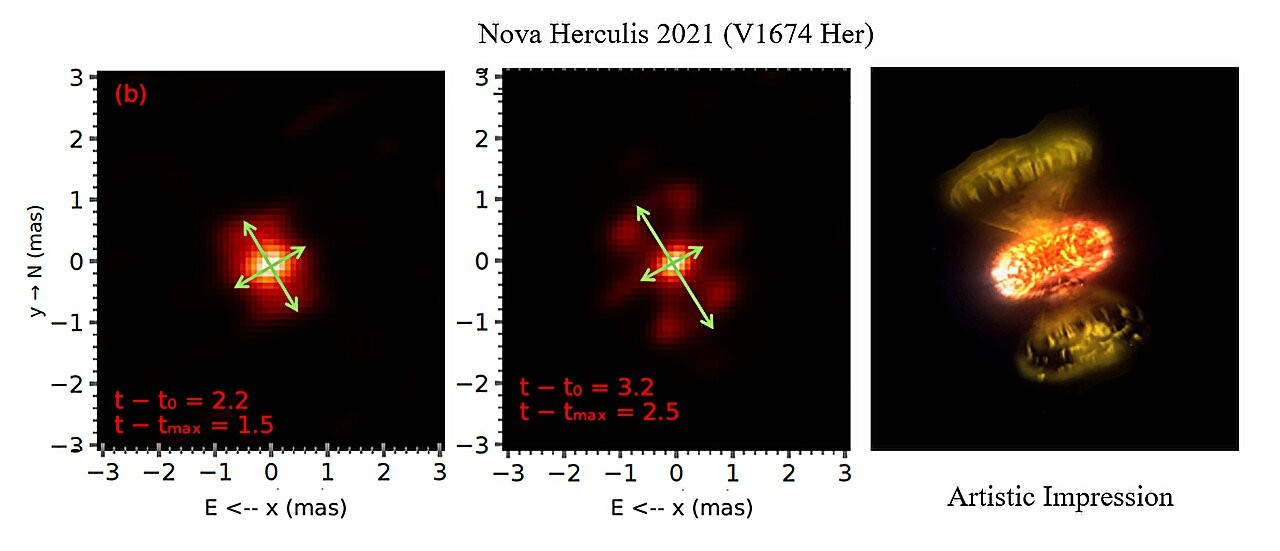
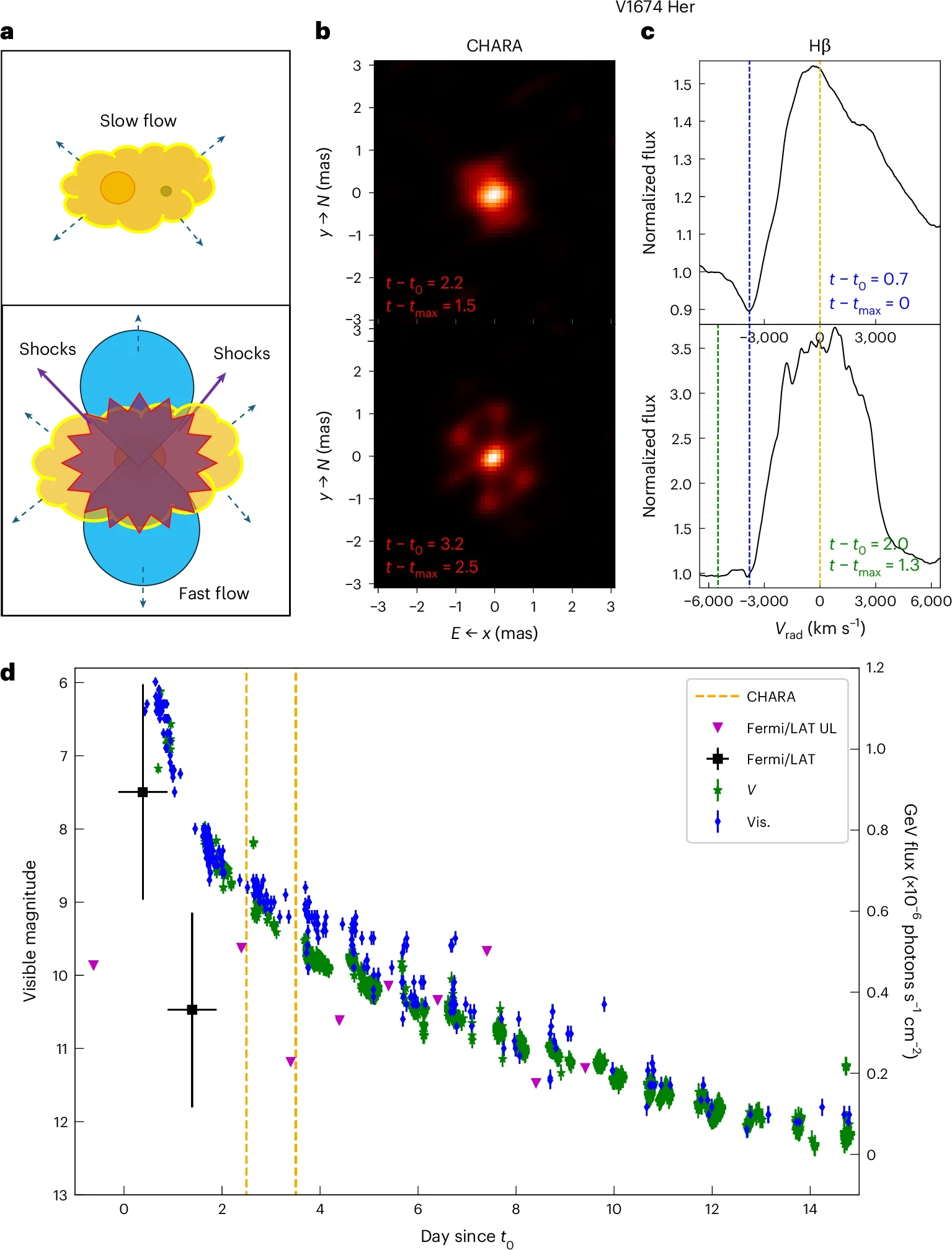
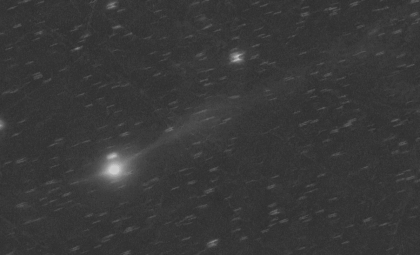
The study concentrated on two novae that ignited in 2021: Nova V1674 Herculis and Nova V1405 Cassiopeiae. Nova V1674 Herculis stood out as one of the fastest recorded, brightening and dimming rapidly within a matter of days. The captured images revealed two separate gas flows moving at right angles to each other, indicating the explosion involved multiple interacting streams—a discovery never seen before. Confirming this, gamma rays detected by NASA’s Fermi Gamma-ray Space Telescope showed these emissions originated from shockwaves formed by the colliding flows.
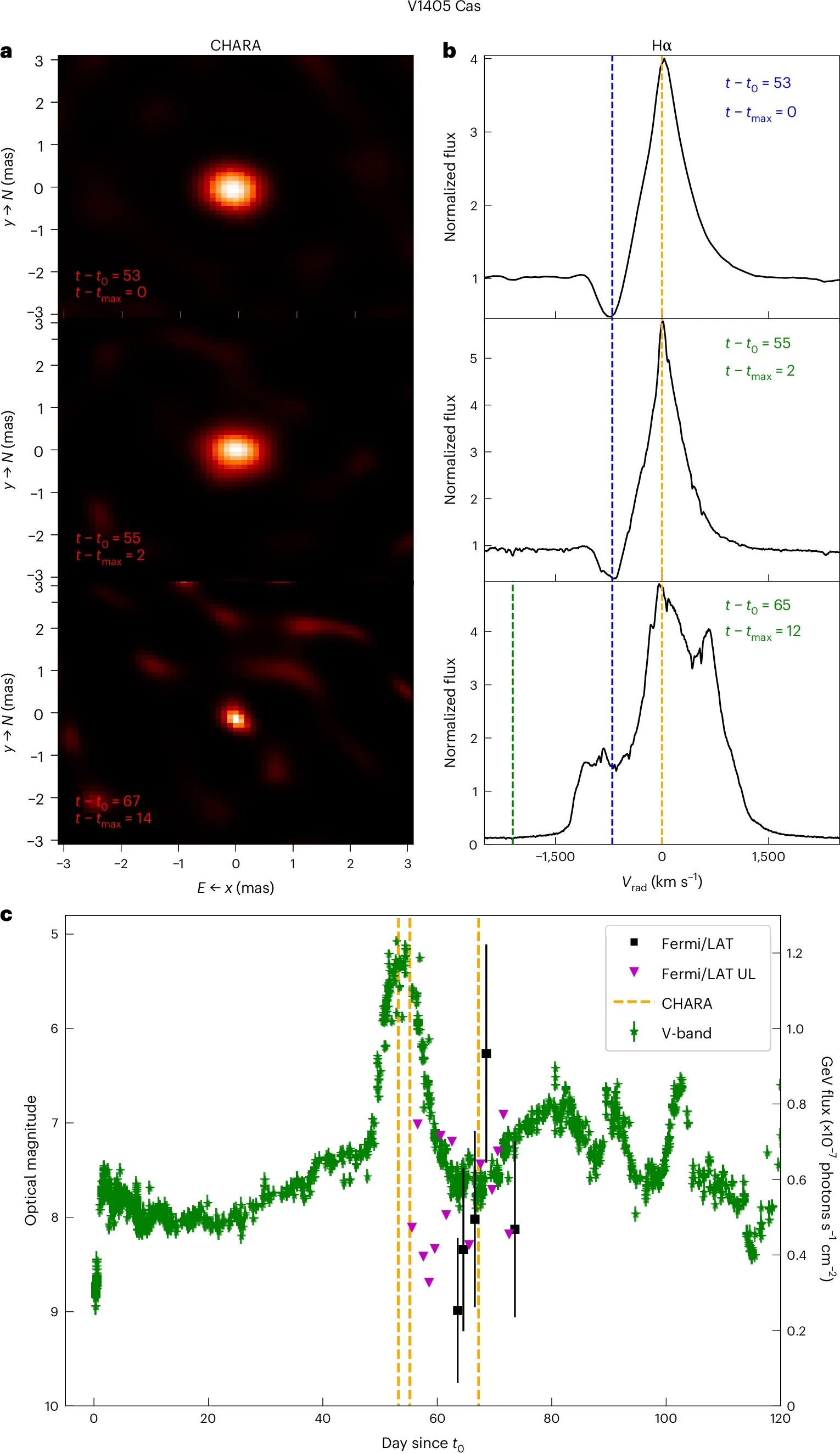
Meanwhile, Nova V1405 Cassiopeiae exhibited a slower evolution, retaining its outer shell for over 50 days before it was expelled. This delayed ejection was directly observed for the first time, validating theories that had previously lacked direct evidence. Following this release, shockwaves generated gamma rays detected once again by Fermi, underscoring the event’s complex dynamics.
Revolutionizing Our View of Nova Physics
This new research overturns the traditional perspective that nova eruptions are simple, instantaneous flashes. As explained by Elias Aydi, lead author and Texas Tech University professor:
“Instead of seeing just a simple flash of light, we’re now uncovering the true complexity of how these explosions unfold. It’s like going from a grainy black-and-white photo to high-definition video.”
The findings demonstrate that nova events consist of diverse ejection patterns, including multiple gas flows and postponed material release. Prior NASA observations with the Fermi telescope had already identified novae as gamma-ray sources, but this latest study reveals detailed shockwave development. According to John Monnier, astronomy professor at the University of Michigan,
“The fact that we can now watch stars explode and immediately see the structure of the material being blasted into space is remarkable.”
Implications for Stellar and Shock Physics
Understanding these ejection processes offers researchers crucial insights into shockwave mechanics and particle acceleration, shedding light on the extreme physics governing space environments.
“Novae are more than fireworks in our galaxy—they are laboratories for extreme physics,” said Professor Laura Chomiuk from Michigan State University.
This groundbreaking work paves the way for deeper exploration of stellar evolution and their spectacular finales. In the words of Aydi:
“This is just the beginning. With more observations like these, we can finally start answering big questions about how stars live, die and affect their surroundings. Novae, once seen as simple explosions, are turning out to be much richer and more fascinating than we imagined.”
As research advances, these stellar detonations continue to reveal unprecedented complexity and fascination.
- Categories:
- Space

0 comments
Sign in to Comment