

Contrary to their reputation as nearly invincible prehistoric beings, dinosaurs were susceptible to illnesses much like today's animals, including cancer. A novel investigation has uncovered tumors in dinosaurs, presenting surprising parallels with human health conditions. The research focuses on a 70-million-year-old fossil of Telmatosaurus transsylvanicus, a duck-billed species that inhabited what is now Romania.
Cancer Traces in Dinosaur Bones
Though scientists have occasionally identified ancient tumors in fossils, the latest research delivers some of the most definitive proof of cancer in these prehistoric reptiles.
“Our goal was to determine if this dinosaur tumor could reveal comparisons with human cancer,” stated Biancastella Cereser, one of the study's contributors.

The specimen was found to have a benign mass known as an ameloblastoma located in its jaw—a condition that also occurs in humans, demonstrating an unexpected biological connection spanning millions of years.
Delving into Ancient Biomolecules to Decode Cancer
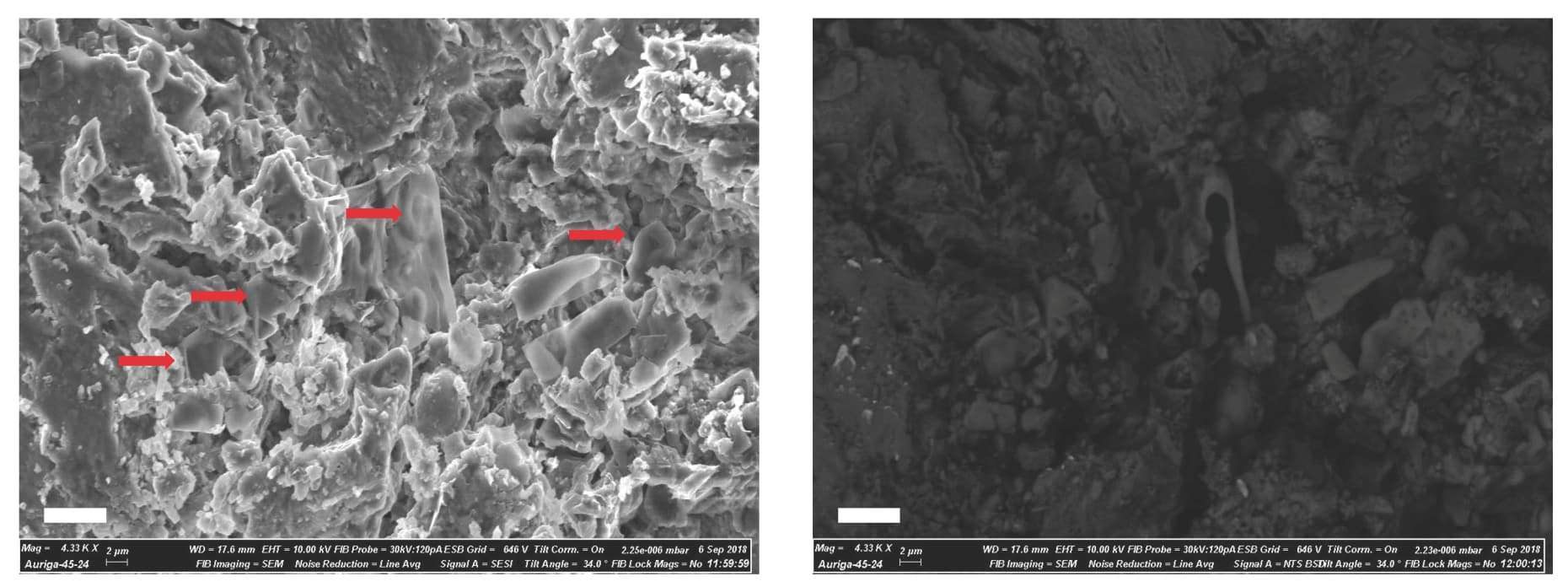
Teams from Imperial College London and Anglia Ruskin University utilized cutting-edge tools such as scanning electron microscopy (SEM) to investigate the fossil, identifying structures that strongly resemble preserved red blood cells.
This discovery challenges previous ideas that soft tissue remnants are exceptionally rare in fossils. Although DNA degrades beyond recovery over such vast time spans, more resilient proteins embedded in mineralized tissues offer valuable windows into ancient diseases.
“Jurassic Park is inaccurate on the point that dinosaur DNA can be extracted for cloning. DNA simply cannot survive the effects of weathering and time,” explained Justin Stebbing from ARU. Instead, proteins preserved in fossils allow scientists to undertake unprecedented studies on prehistoric illnesses.
Implications for Today’s Cancer Research
Perhaps the most exciting aspect of this research is its potential impact on contemporary cancer studies. Scientists suggest examining cancer in ancient creatures could illuminate the evolutionary development of such diseases over time. Insights into how massive, long-lived species like dinosaurs coped with cancer susceptibility might translate into improved cancer management strategies for humans.
By investigating disease responses in extinct animals, researchers hope to uncover novel mechanisms of cancer suppression. This study highlights that cancer was a persistent biological challenge throughout Earth's history, offering knowledge that could influence future approaches to treating cancer in humans.
Ensuring Fossil Preservation for Advancing Science
The research also emphasizes the necessity of maintaining fossils for future scientific inquiry. Sustained conservation efforts are vital for providing access to specimens capable of supporting sophisticated molecular analyses.
“Coordinated long-term fossil preservation is essential for enabling upcoming researchers to explore these invaluable samples with state-of-the-art technology,” remarked Stebbing. This work represents the dawn of a new era bridging paleontology and medicine. Safeguarding these ancient remains will pave the way for discoveries with lasting benefits for cancer research and our broader understanding of life on Earth.
- Categories:
- News









0 comments
Sign in to Comment