
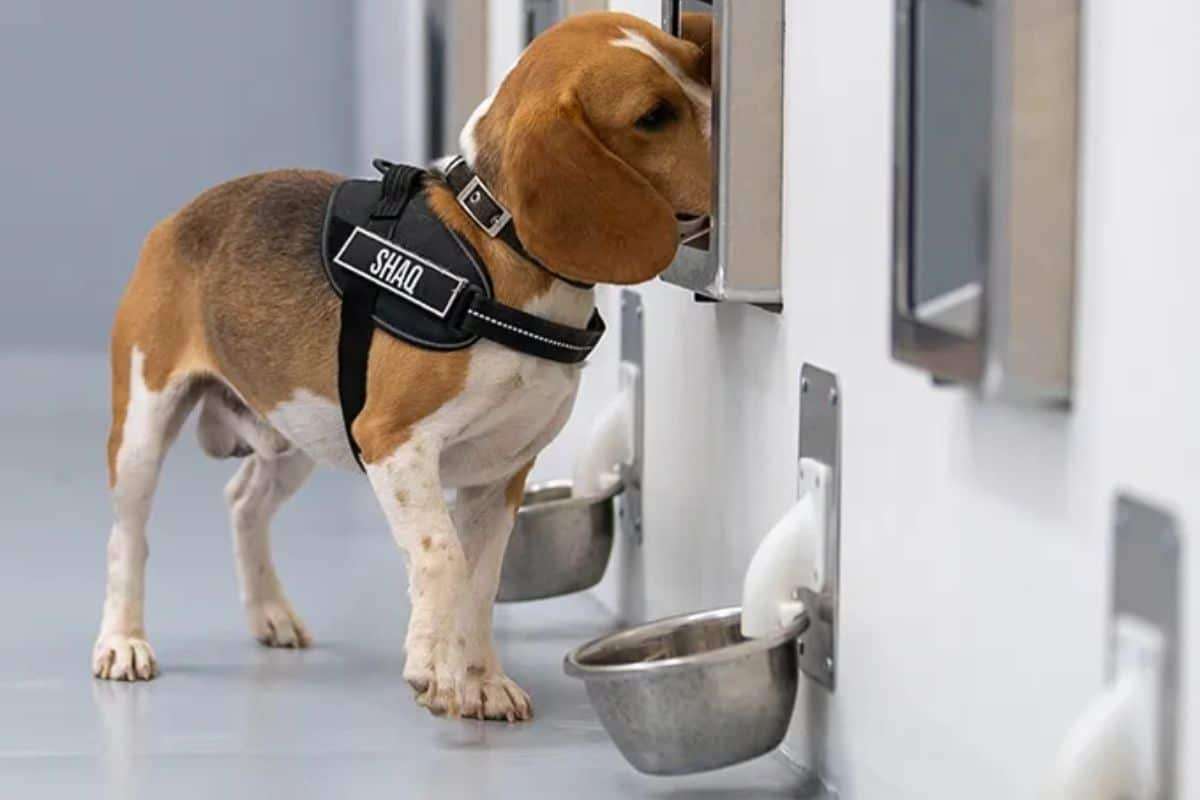
Dogs have stepped beyond companionship to become crucial allies in early cancer detection. Through a pioneering fusion of highly sensitive canine noses and cutting-edge artificial intelligence (AI), these animals are now instrumental in identifying deadly diseases with outstanding accuracy.
A novel technique by SpotitEarly integrates the keen olfactory skills of specialized dogs with machine learning technology to pinpoint cancer markers in patients' breath samples. This innovative approach shows exceptional potential for timely and reliable diagnosis.
The Unusual Collaboration Between Dogs and AI
The ability of dogs to detect unique scents has been recognized for years, including identifying conditions like diabetes or impending seizures. Building on this, scientists have refined this capability to target the distinct chemical signatures linked to cancer.
SpotitEarly’s system combines the scent detection prowess of Labrador retrievers with an AI platform that analyzes canine responses. Together, they can identify four major cancer types: breast, lung, colorectal, and prostate cancers.
The Process Behind the Detection
Dogs are trained to respond—typically by sitting—when they sense specific odors emitted by cancer patients’ breath samples. When cancer is present, these highly trained dogs exhibit this behavior to signal a positive detection.
Interpreting the dogs’ reactions precisely can be complex, which is why AI plays a critical role. The AI algorithms utilize machine learning and computer vision to track and decode the dogs’ cues, enhancing the accuracy and reliability of the results.

A recent study, involving nearly 1,400 individuals, demonstrated that this AI-assisted canine detection reached an impressive 94% success rate in identifying cancer. Out of 261 patients with cancer, 245 were correctly flagged by the system.
Additionally, false positives were minimal, with only 60 misclassifications among 1,048 cancer-free participants—marking a significant achievement in early detection technologies.
The Importance of Early Cancer Diagnosis
This emerging detection strategy is particularly valuable because it identifies cancer at its earliest stages, when treatment is often more effective and survival chances improve dramatically. Detecting cancer before it advances can be a crucial game-changer for patients’ outcomes.
The method’s consistency in recognizing early and late-stage cancers alike makes it a promising addition to medical diagnostics.
Future Directions for Canine-AI Cancer Screening
While these findings are highly encouraging, further work is underway. SpotitEarly plans to conduct comprehensive clinical trials across the U.S., with preliminary results anticipated by 2026. They are also expanding their canine team by training beagles, chosen for their manageable size and ease of training, to support detection efforts.
Meanwhile, the Labrador retrievers that led this breakthrough continue to be central to ongoing research and development, driving forward innovations in cancer detection technology.
- Categories:
- News












0 comments
Sign in to Comment