
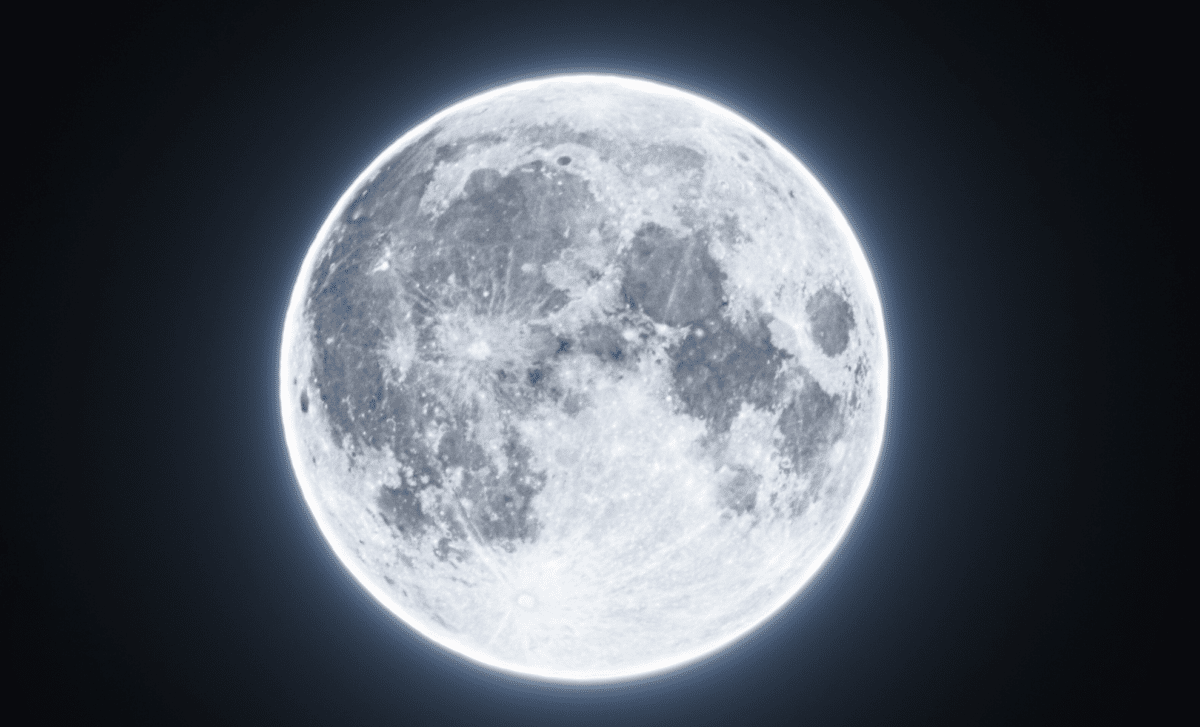
The first full Moon of 2026 promises to be a phenomenal spectacle. As noted by The Old Farmer’s Almanac, January 3 will showcase a rare blend of astronomical factors resulting in a Wolf Supermoon that stands out as one of the brightest lunar displays witnessed in recent years. This event uniquely combines a supermoon, Earth’s perihelion, and favorable winter atmospheric conditions, creating a spectacular triple amplification of brightness not expected to be repeated soon.
A Trio of Celestial Events Lighting Up the January Night
On the evening of January 3, 2026, observers across the Northern Hemisphere will be treated to a Wolf Moon intensified by three synergistic astronomical circumstances. Foremost among these is the supermoon: a full Moon occurring near perigee, when the Moon’s orbit brings it closest to Earth. At this time, the Moon will be roughly 362,312 kilometers (225,130 miles) distant, appearing about 14% larger and shining up to 30% more brilliantly than when at its farthest orbital point, apogee.
Next is Earth’s perihelion, the point in early January each year when our planet is nearest to the Sun. This year, perihelion aligns just hours before the full Moon, delivering an added surge of solar illumination that enhances the lunar brightness by approximately 6.5% compared to the dimmer conditions during Earth’s aphelion in July. The final ingredient is the crisp, clear winter atmosphere, which typically has reduced humidity and fewer particulates. These clearer skies significantly boost the Moon’s clarity and glow, especially when conditions are ideal.

An Uncommon Celestial Confluence
The Old Farmer’s Almanac explains that the January full Moon, historically called the Wolf Moon, has long been linked to lore of wolf howls piercing chilly winter nights. Yet this year’s Wolf Supermoon transcends folklore, holding real scientific significance. Not all supermoons are alike, and this one’s timing with lunar perigee coinciding closely with Earth’s perihelion creates a rare, remarkable alignment occurring only once every few years.
The Almanac also notes this will be the final full supermoon observable before November 2026, making January’s event a prime opportunity for skywatchers and amateur astronomers. Brightened by its proximity and extra sunlight, the Moon will be perfect for unaided viewing, photography, and even detailed lunar surface observation under enhanced lighting.
Winter Skies Provide Ideal Viewing Conditions
Weather plays a critical role in the viewing experience. Compared to summer, January often brings colder, drier air, especially in northern and rural locations. This reduction in atmospheric moisture minimizes light scattering, delivering a crisper and more vivid lunar image. Coupled with the Moon’s close approach and Sun’s added brilliance at perihelion, observers can expect one of the most dazzling full Moons seen recently.
No specialized equipment is needed—just a clear, dark sky, some warm attire, and a location shielded from urban light pollution. The brightness of this Moon might even be strong enough to cast shadows, illuminating the landscape with a captivating glow seldom seen outside eclipses or supermoon events.
Why This Unique Supermoon Won’t Be Seen Again Soon
Although perigees occur about a dozen times annually, only a handful synchronize with full Moons, and even fewer overlap with Earth’s perihelion. The orbital intricacies, including the Moon’s elliptical path and its precession (gradual rotation of its orbital ellipse), prevent these phenomena from regularly aligning. This creates a triple brightness boost— supermoon + perihelion + winter sky clarity—that is visually striking yet astronomically rare. Events like this may not reoccur for several decades with similar exactitude.
When to Watch and What to Expect
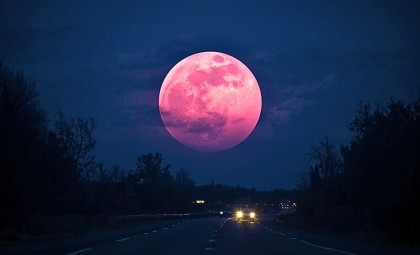
For those eager to observe, the full Moon will reach peak illumination on January 3, 2026, shining prominently at nightfall across much of the Northern Hemisphere. It will rise in the eastern horizon shortly after sunset, remaining visible all night. Early in the evening, the Moon may appear unusually large due to the “Moon illusion”, which makes it seem larger when near the horizon because of familiar foreground features like trees and buildings.
Viewers can anticipate a luminous silver radiance with clearer details of craters and lunar highlands, especially when using binoculars or cameras fitted with telephoto lenses. The Moon’s enhanced size and intensity will provide fantastic photographic moments, with reflections on snow-covered or watery surfaces creating breathtaking scenes, particularly in colder regions.
- Categories:
- News

0 comments
Sign in to Comment