
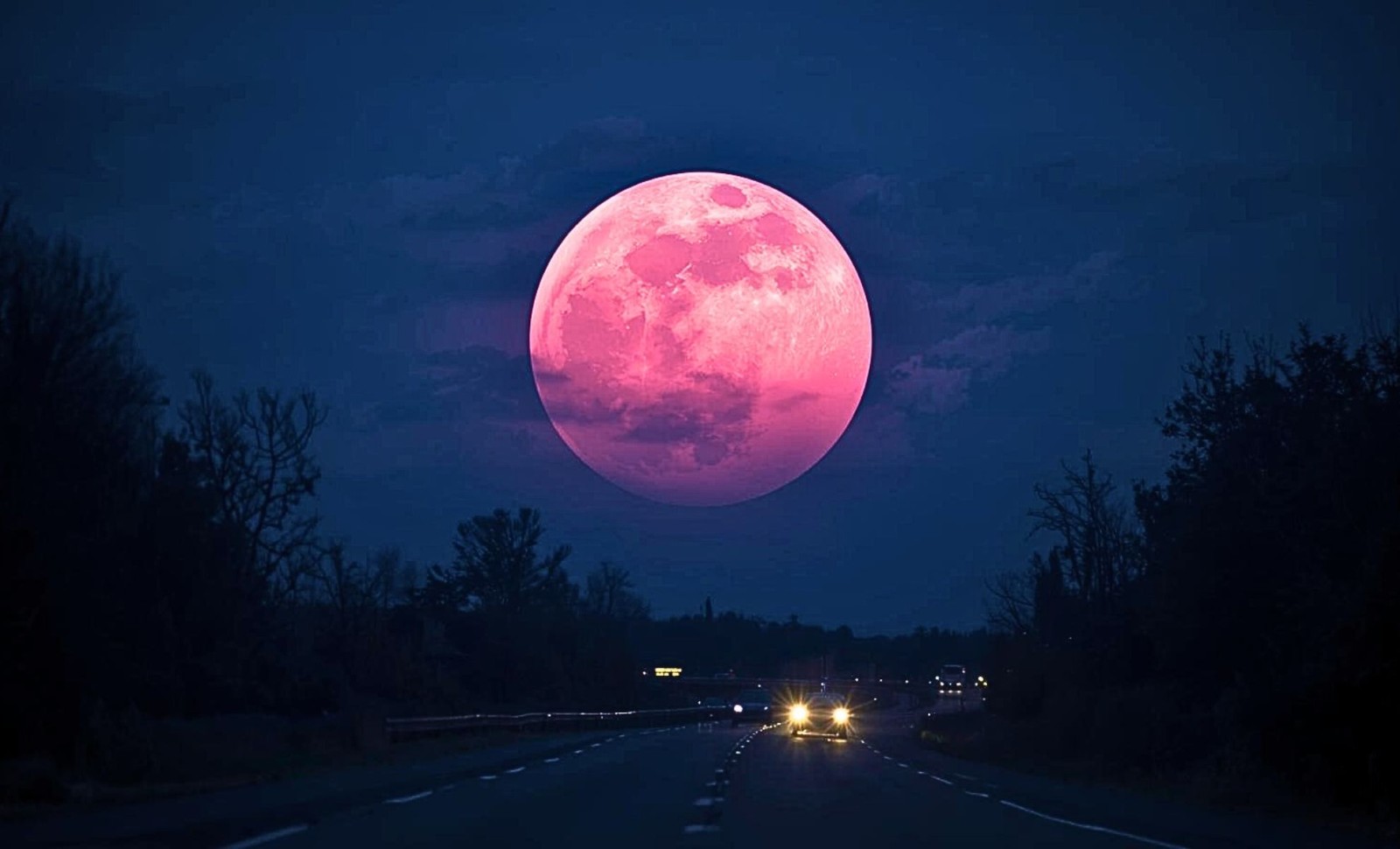
On December 4, 2025, the last supermoon of the year, known as the Cold Moon, dazzled observers worldwide by shining brightly shortly after sunset. This spectacular full moon event not only captivated viewers visually but also coincided with significant moments in space exploration and overlapped with two major meteor showers, creating a unique celestial display.
This December supermoon wrapped up a sequence of three consecutive lunar perigees, culminating with one of the most prominent and luminous moons visible to the Northern Hemisphere this year. The timing was especially meaningful as it aligned with the anniversaries of the landmark Apollo 8 and Apollo 17 missions, which profoundly influenced mankind’s lunar legacy.
Excitement is mounting for Artemis II, planned to launch between February and April 2026, which will be NASA’s first crewed journey around the Moon in over five decades. For skywatchers and scientists, the Cold Moon was a stunning spectacle layered with historical and scientific significance.

Bright and Elevated: The Cold Moon’s Peak Performance
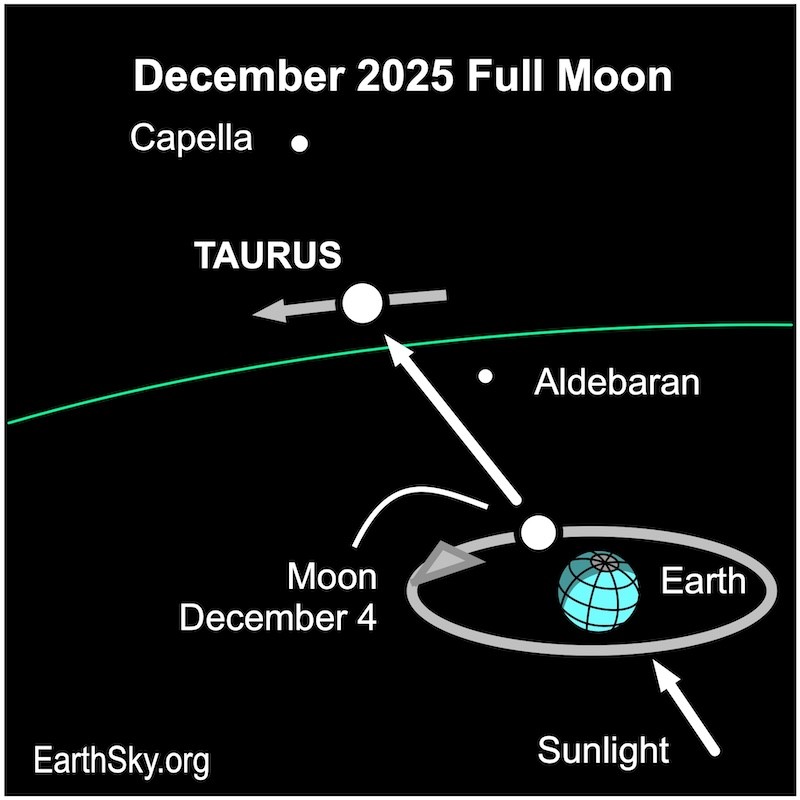
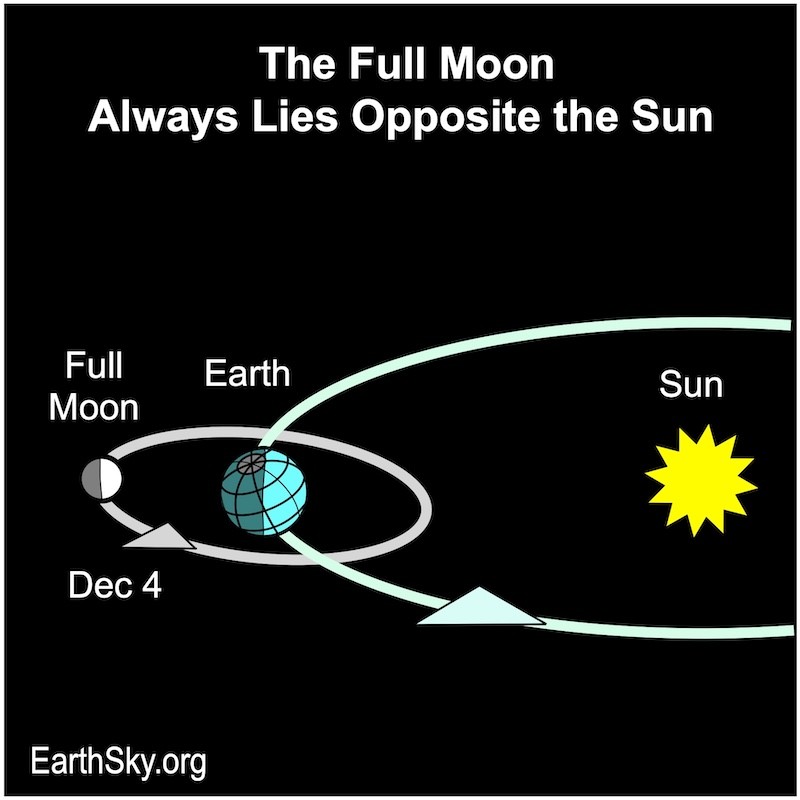
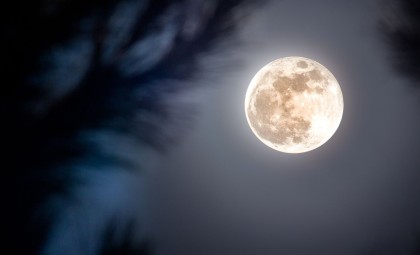
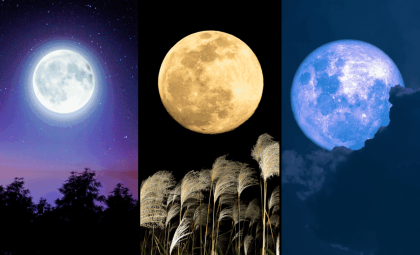
At 5:14 p.m. CST on December 4 (23:14 UTC), the Cold Moon reached its full brilliance, rising two hours earlier in central North America. Since it was at perigee—its closest orbital point to Earth—less than half a day before, it qualified as a supermoon. This proximity made it appear approximately 14% bigger and about 30% more luminous compared to the year's smallest full moon, called the micromoon, according to EarthSky.
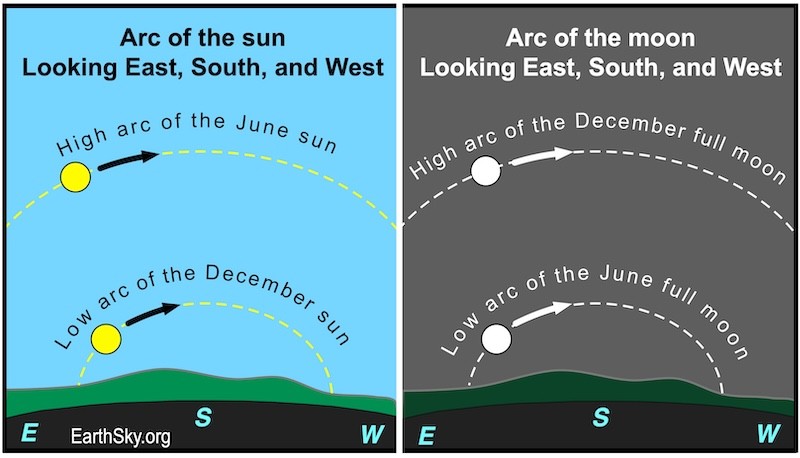
Throughout the Northern Hemisphere, the December full moon traces a path high in the sky reminiscent of the June solstice sun’s trajectory, granting it long visibility after rising. This raised arc, together with crisp winter air and leafless vegetation, enhances both brightness and the clarity of moonlit shadows—ideal conditions for viewing and astrophotography. Meanwhile, in the Southern Hemisphere, as summer begins, the moon’s lower arc mirrors that of winter sunlight.
Named the Cold Moon in reference to its arrival near the winter solstice, this full moon carries various Indigenous titles such as the Snow Moon (Cherokee) and Winter Maker Moon (Abenaki), reflecting how lunar phases have traditionally guided seasonal changes and agricultural cycles CNN.
Echoes of Apollo Missions and the Upcoming Artemis Journey
The December supermoon held a special place in history, occurring just before notable NASA anniversaries:
- Apollo 17, which launched December 7, 1972, was humanity’s last Moon landing mission.
- Apollo 8, launched on December 21, 1968, became the first crewed spacecraft to orbit the Moon, famously capturing the iconic Earthrise photograph.
Looking ahead, NASA is gearing up for Artemis II, the agency’s first manned mission beyond low Earth orbit since the Apollo era. Scheduled for early 2026, this 10-day expedition will circle the Moon with four astronauts, setting the stage for Artemis III, which intends to achieve a crewed lunar landing near the south pole CNN.
The Cold Moon’s timing alongside these historical markers has reignited global enthusiasm for lunar science and exploration. As highlighted by EarthSky, this event was the last full moon of 2025 and also the final one during the Northern Hemisphere’s autumn season, symbolizing a moment of both reflection and anticipation for future lunar missions.
A Night of Shooting Stars: Meteor Showers Complement the Supermoon
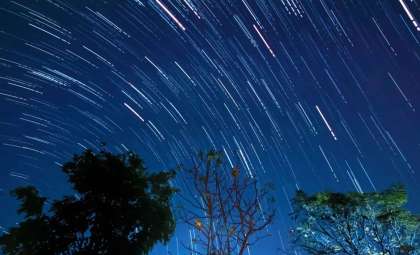
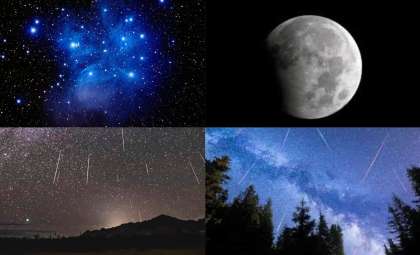
Adding to the December celestial showcase, two prolific meteor showers, the Geminids and Ursids, illuminated the skies within weeks following the Cold Moon.
The Geminids peaked on December 13–14, benefiting from a 30% waning moon phase, which allowed darker skies ideal for meteor spotting. Known for producing more than 100 meteors per hour during peak, the Geminids are one of the year’s most consistent and intense meteor showers American Meteor Society.
Following closely, the Ursid meteor shower reached its peak December 21–22, favored by an almost new moon with just 3% illumination. Though less vigorous than the Geminids, the Ursids still provided a memorable meteor display, particularly for observers in northern rural and high-latitude areas.
The combination of these meteor showers with the Cold Moon’s brightness made December an excellent month for astronomy enthusiasts, photographers, and anyone eager to experience the wonders of the night sky.
- Categories:
- News

0 comments
Sign in to Comment