
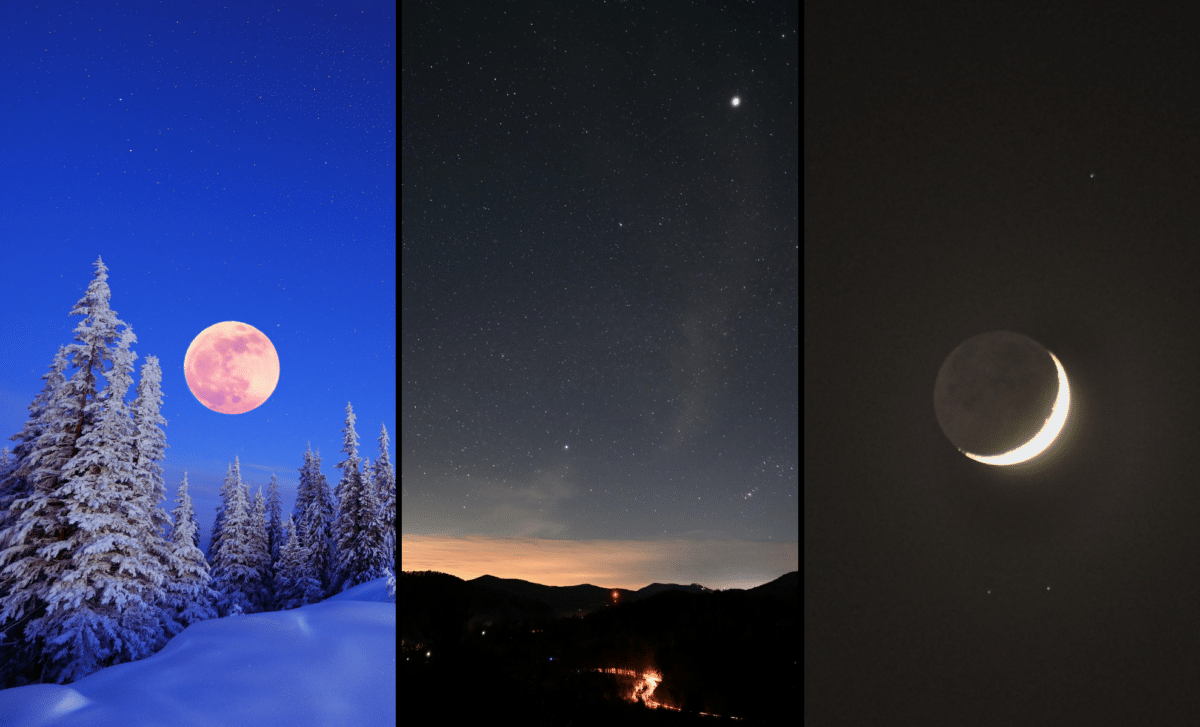
January unveils a host of mesmerizing celestial phenomena that are perfect for observation through binoculars. From viewing Jupiter at its closest approach to admiring the intricate shadows on the first-quarter moon, the winter sky promises captivating sights. This guide will navigate you through January's top astronomical events, equipping you with key tips for a memorable night under the stars.
Jupiter at Opposition: Witness the Gas Giant in Full Glory
A standout event this January is Jupiter’s opposition on January 10, 2026. Opposition occurs when Earth lies directly between the Sun and another planet, causing the planet to shine brighter and appear larger in the night sky. During this time, Jupiter, the solar system’s largest planet, will be fully illuminated, making it a breathtaking target for binocular users.
Observing Jupiter at opposition reveals more than just its bright globe; its four Galilean moons—Io, Europa, Ganymede, and Callisto—become clearly visible as tiny points of light circling the planet. Spotting these moons demonstrates the dynamic nature of our planetary neighborhood.

This phenomenon can be enjoyed several weeks before and after the exact opposition date, providing ideal viewing opportunities for beginners and seasoned astronomers alike. As recommended by LiveScience, using binoculars with 8×42 or 10×50 magnification will greatly enhance the experience of observing Jupiter and its moons.
First-Quarter Moon: Discover Lunar Topography Like Never Before
The Moon often appears as a consistent glowing orb, but the first-quarter phase presents the best opportunity to explore its surface features. This month, the first-quarter moon shines brightly on January 7, providing excellent contrast and detail when viewed through binoculars. The terminator—the dividing line between lunar night and day—casts deep shadows that accentuate craters, mountains, and valleys.
With binoculars, details normally invisible to the naked eye become apparent. You'll notice the stark contrast between sunlit terrain and shadowed regions, revealing the Moon’s rugged and varied landscape. Rising in the evening and visible until midnight, the first-quarter moon offers a prime opportunity for a relaxing observation session, captivating those eager to explore lunar geography closely.
Memorable Supermoon Rise: See the Moon in Its Grandest Form
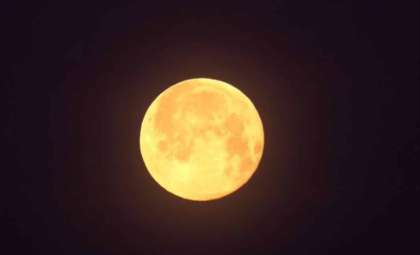
Another enchanting event this month is the Supermoon on January 3, 2026. While a full moon is always striking, a supermoon occurs when the lunar orbit brings the Moon closest to Earth, making it appear noticeably bigger and brighter.
Watching the moonrise through binoculars magnifies this spectacle. As moonlight travels through Earth’s dense atmosphere, shorter blue wavelengths scatter away, leaving warm red and orange hues that bathe the rising Moon in a golden glow. Experiencing this glowing supermoon just after sunset creates an unforgettable sight as the Moon’s light bathes the Earth’s surface. LiveScience highlights that using binoculars for this moment delivers a view not to be overlooked.
Earthshine: A Faint Lunar Glow to Watch For
Beyond the radiant full moon, January presents the delicate phenomenon of Earthshine. This subtle glow happens during crescent phases when sunlight reflects off Earth’s surface—oceans, ice, and clouds—and softly lights up the Moon’s shadowed face. Binoculars reveal this faint shimmer, exposing details of the lunar terrain usually hidden.
The waning crescent phase around January 18, 2026 is an optimal period to observe Earthshine. Just before dawn, look towards the eastern sky to catch this ethereal lunar illumination. Early risers in January should seize this rare chance to witness one of the sky’s gentlest wonders.
- Categories:
- News


0 comments
Sign in to Comment