
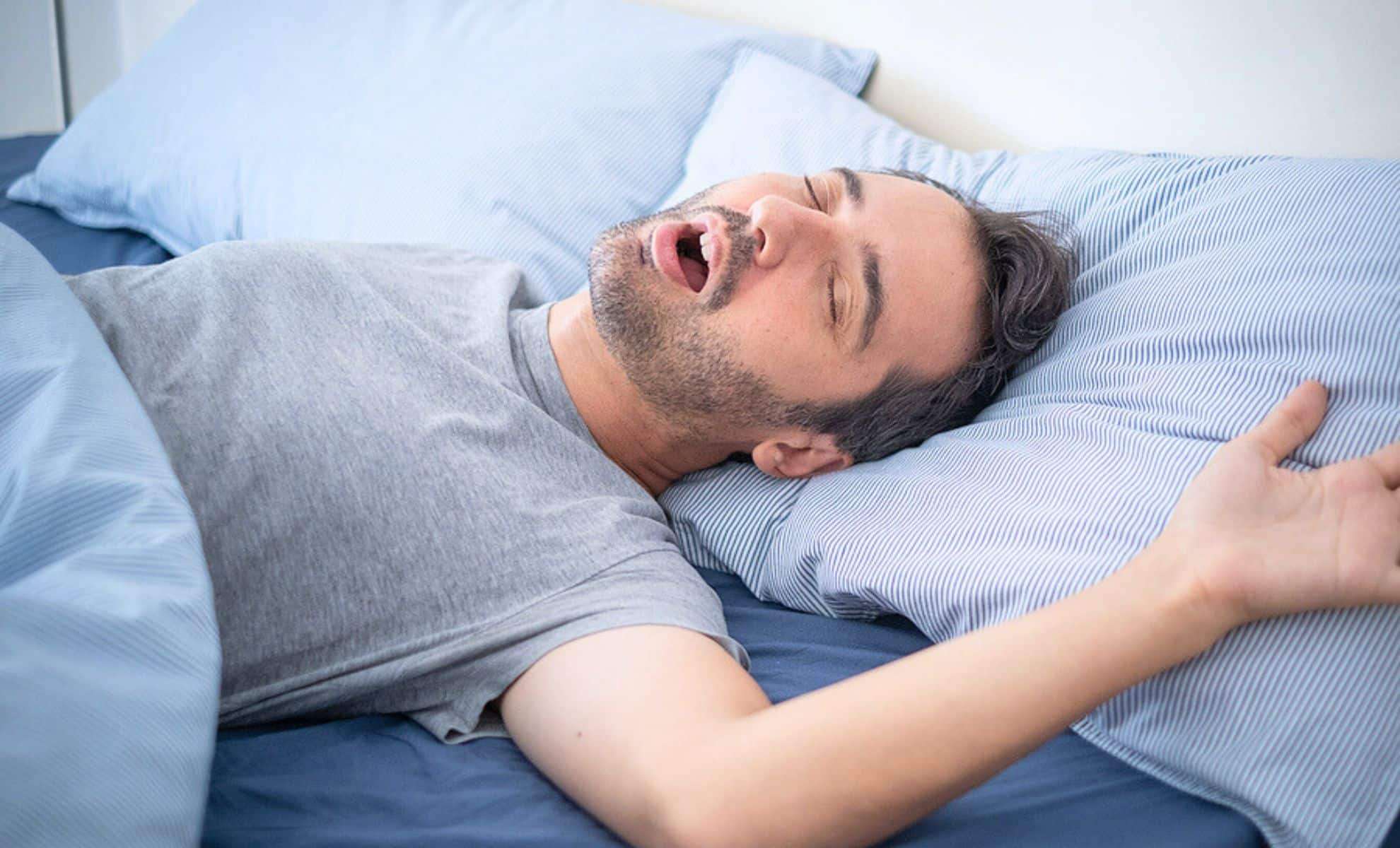
Mouth taping, a controversial health practice, has captured widespread attention on social media platforms such as TikTok and Instagram. Supporters suggest it can help reduce gum inflammation, eliminate bad breath, and even deliver anti-aging effects, yet healthcare experts consistently advise caution due to possible health risks.
Understanding Mouth Taping
Simply put, mouth taping is the act of applying adhesive tape over the lips during sleep to promote nasal breathing. Its proponents, mostly wellness influencers, present it as a quick remedy to boost both oral and general wellbeing. However, many advocates lack the necessary medical credentials, raising questions about the safety and effectiveness of this approach.
Frequently cited benefits of mouth taping include:
- Decreasing bad breath by preventing mouth dryness
- Enhancing sleep quality through nasal airflow
- Lowering the risk of periodontal diseases
- Delivering anti-aging advantages by optimizing oxygen intake
Nevertheless, these benefits are primarily based on personal testimonials rather than rigorous scientific data.

Medical Experts Voice Safety Concerns
Dr. Raj Dasgupta, a sleep medicine expert and clinical professor at the Keck School of Medicine, University of Southern California, warns that mouth taping can be particularly hazardous, especially for people suffering from obstructive sleep apnea (OSA).
“If you have obstructive sleep apnea, yes, this can be very dangerous,” Dr. Dasgupta explained in a previous interview with CNN.
He points out the absence of strong scientific proof supporting mouth taping’s benefits and suggests seeking professional medical advice prior to experimenting with the technique.

Potential Hazards of Mouth Taping:
- Aggravates breathing issues for OSA sufferers: Can further restrict airflow during sleep.
- Skin irritation or allergies: Possible allergic reactions to tape adhesive.
- Risk of choking: Elevated if nasal passages become obstructed.
Recent Study Shows Divergent Effects
New clinical research has added complexity to the debate over mouth taping. Conducted on 66 patients with OSA, the study eliminated 12 participants who did not have adequate baseline airflow records. Researchers then examined the impact of using mouth taping to modify breathing during sleep.
Study Highlights:
- Subjects: 66 OSA patients (12 excluded for lack of sufficient baseline data).
- Approach: Comparing sleep breathing patterns with and without taped mouths.
- Findings:
- Better airflow observed in individuals mainly breathing through the nose.
- Worsened airflow in cases with velopharyngeal obstruction.
- Results varied widely depending on individual anatomy.
Authors stress that personalized evaluation is essential before recommending mouth taping as a remedy for sleep-related breathing disorders.
While mouth taping might offer some advantages for select users, it is not a one-size-fits-all cure. Health experts strongly advise discussing such practices with medical professionals and caution against adopting trends fueled by social media without proper guidance.
- Categories:
- Health















0 comments
Sign in to Comment