
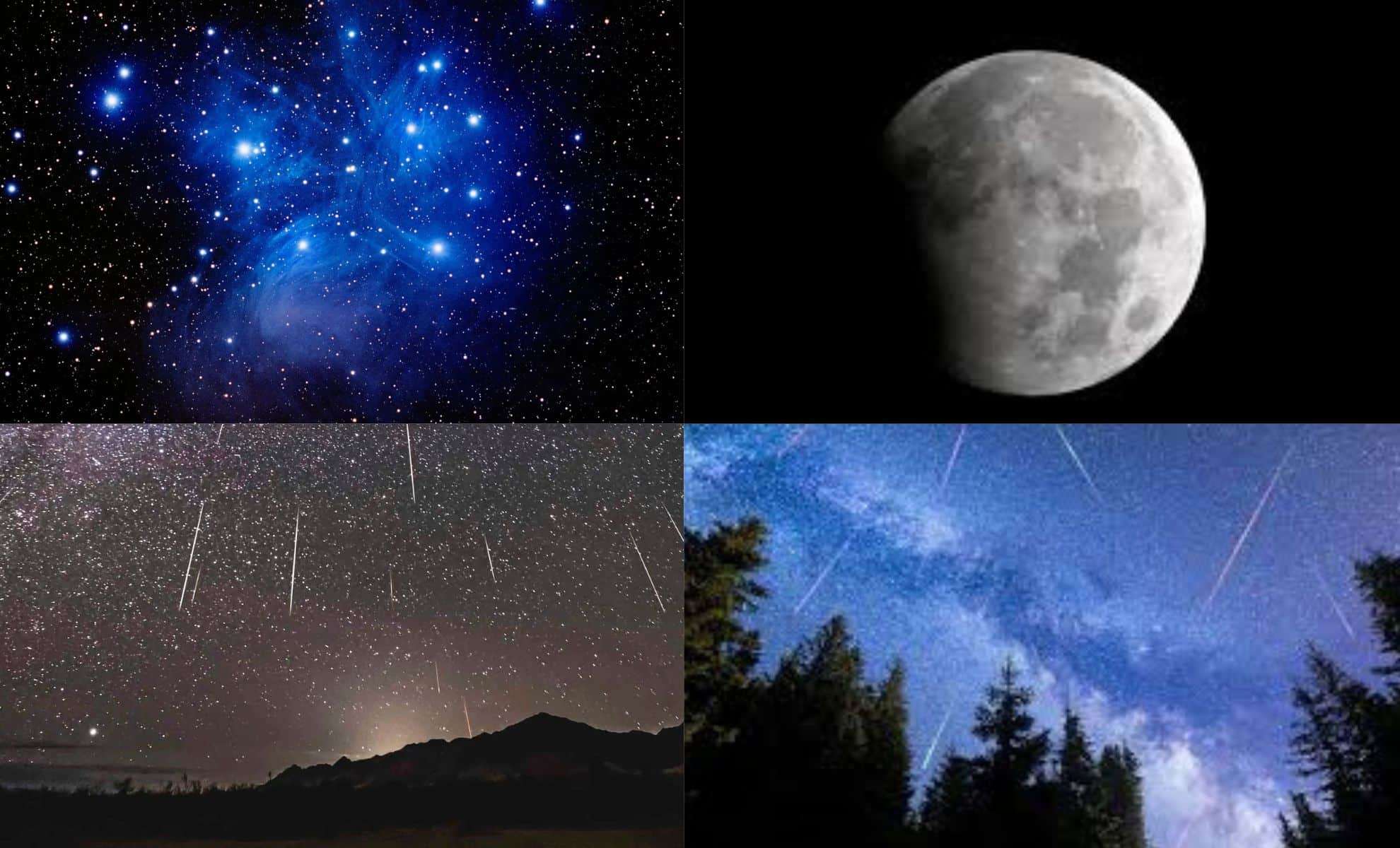
With the arrival of winter and shorter nights, December presents an extraordinary showcase of celestial marvels. The clear, crisp evenings are perfect for star enthusiasts, promising views of radiant meteor showers, luminous planets, and stunning star formations. Whether you’re an avid astronomer or a casual stargazer, December’s skies offer a visual feast. From the sparkling Pleiades cluster to the vibrant Geminid meteor shower and the procession of Venus, Mars, Jupiter, and Saturn, this month invites all to step outside and gaze upward into the wonders of the cosmos.
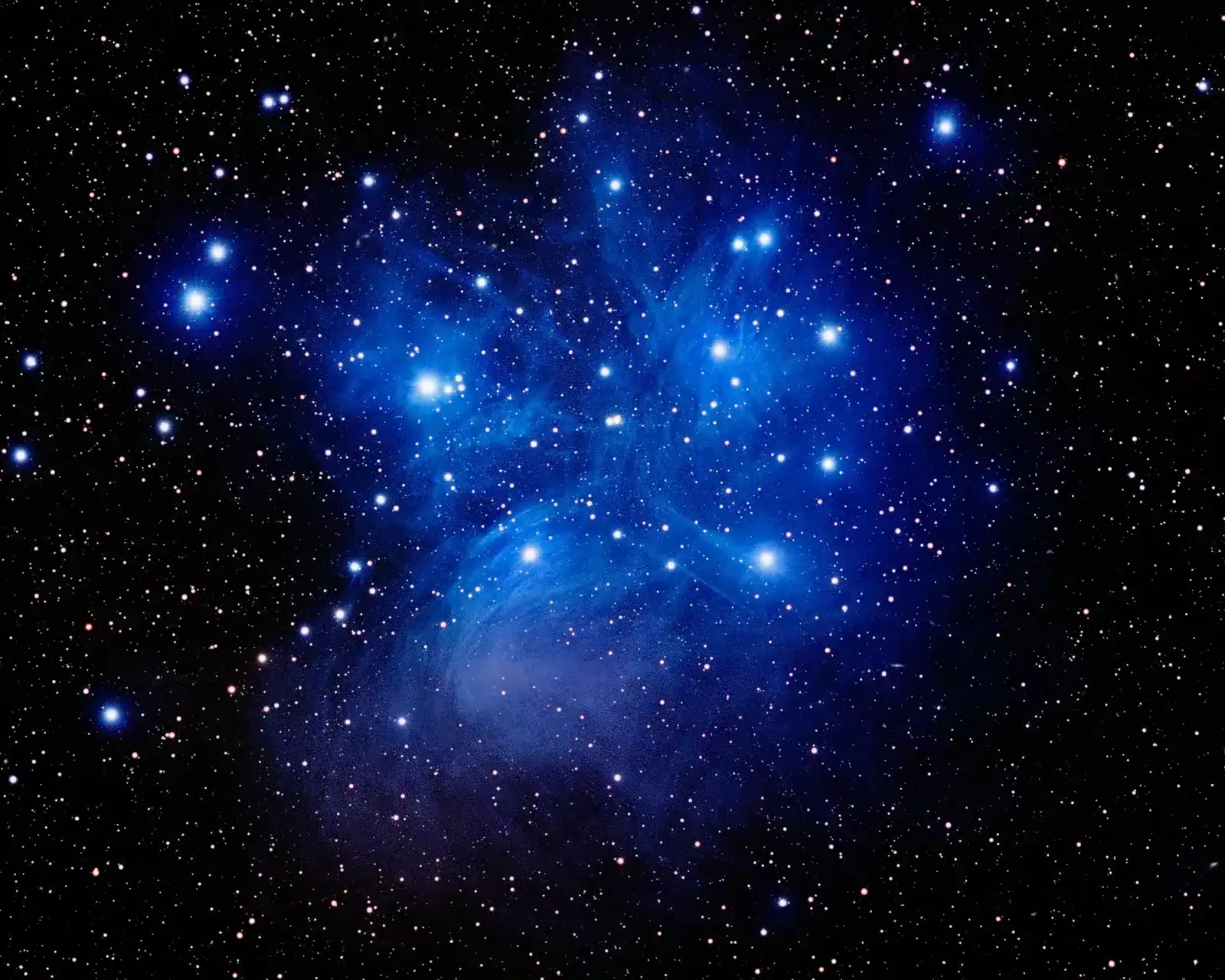
Pleiades Cluster: December’s Celestial Gem
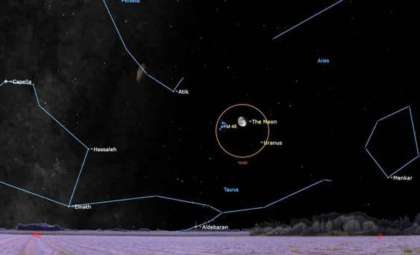
Among December’s celestial highlights, the Pleiades star cluster, often nicknamed the Seven Sisters, stands out as a breathtaking feature. Known for centuries, this youthful cluster located roughly 450 light-years away in the constellation Taurus shines with a distinctive blue hue. Hosting nearly 1,000 stars, only about half a dozen are visible to the unaided eye. Throughout December, the cluster ascends prominently after dusk, sitting near the top of the night sky, accessible to observers across both hemispheres.
A subject of interest in stellar astronomy, the Pleiades exemplify early star formation, having formed approximately 100 million years ago. These hot, blue stars emit their glow due to light scattering through cosmic dust. Their concentrated brightness also offers valuable insights into star evolution and cluster dynamics. December evenings, especially around midnight, provide prime viewing windows to admire this captivating group of stars.

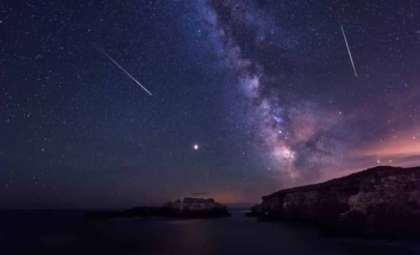
Geminids: December’s Spectacular Meteor Display
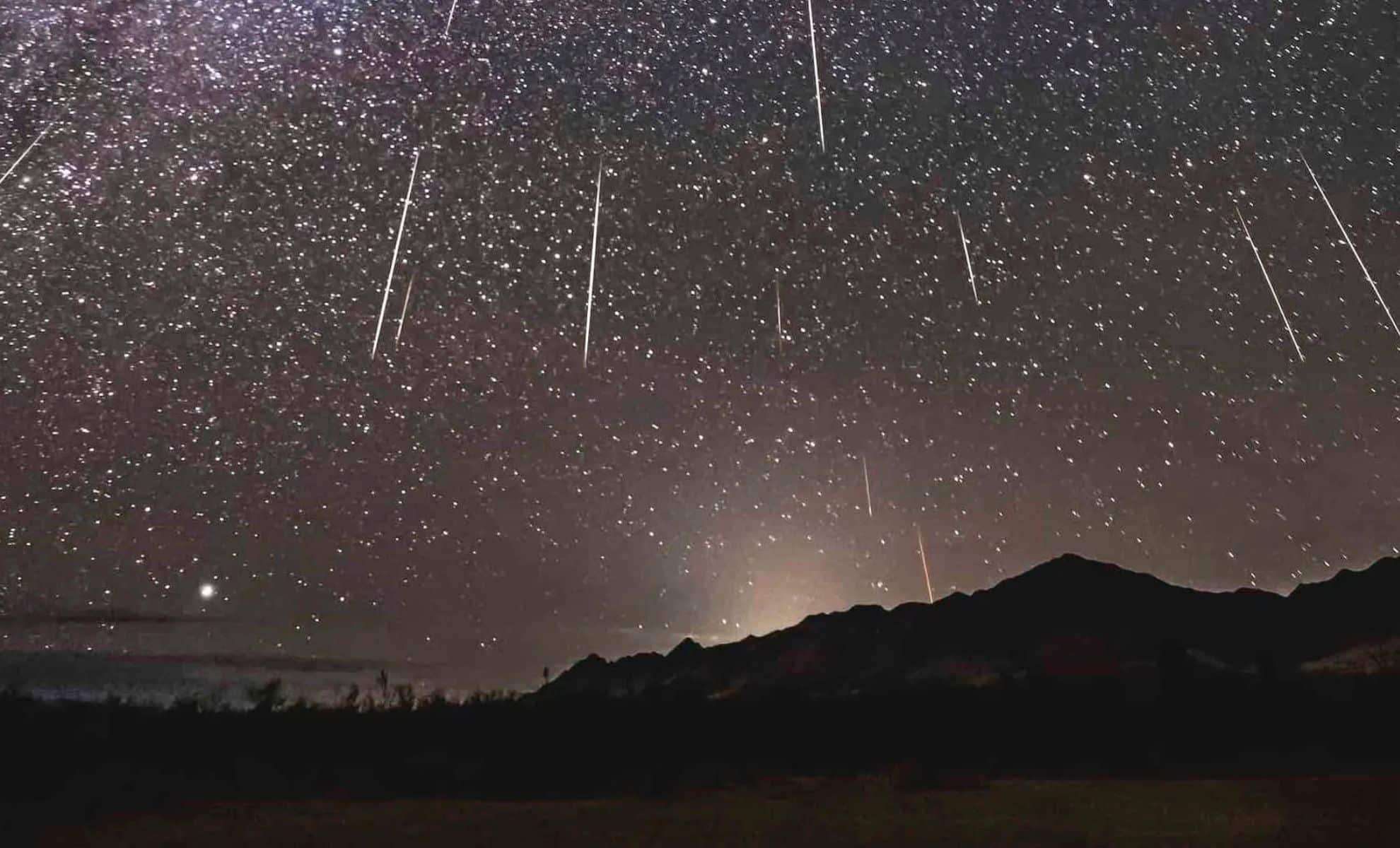
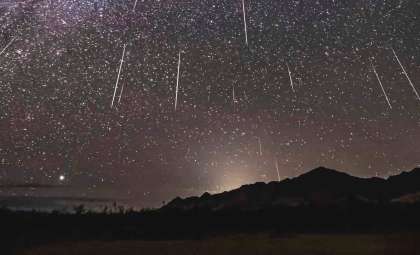
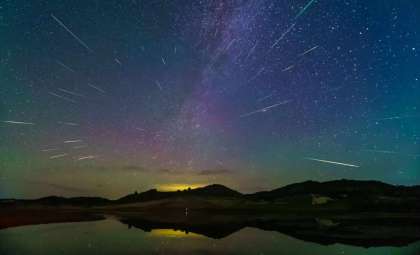
The Geminid meteor shower is one of December’s most anticipated cosmic events, renowned for its reliability and brilliance. Unlike many showers linked to comet trails, the Geminids originate from the asteroid 3200 Phaethon, setting them apart with distinctive bright, slow meteors that leave long-lasting, vivid trails. This unique origin contributes to what many consider the most mesmerizing meteor show of the year.
Peaking around December 13-14, this shower can produce up to 120 meteors per hour at its zenith. Despite the full moon on December 15 potentially dimming some fainter streaks, the Geminids are sufficiently bright to remain prominent. To watch, stargazers should direct their gaze toward the constellation Gemini—the shower’s radiant point—though meteors can appear anywhere overhead. Optimal viewing occurs post-midnight, when the radiant climbs higher, maximizing meteor visibility.
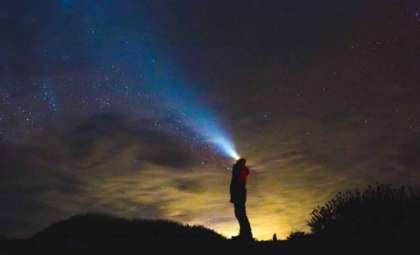
For an ideal experience, seek out dark locations away from urban light pollution. Even with moonlight interference, the Geminids’ striking brightness and steady pace promise an unforgettable spectacle for anyone willing to stay up late.
Planet Parade: Venus, Mars, Jupiter, and Saturn Light Up December
Beyond meteors and clusters, December’s night sky boasts a lineup of planets that captivate the eye. Venus, the brilliant Evening Star, dominates the southwestern sky shortly after sunset, glowing vividly for several hours before setting. Its radiant presence makes Venus a familiar and enchanting sight during winter nights.
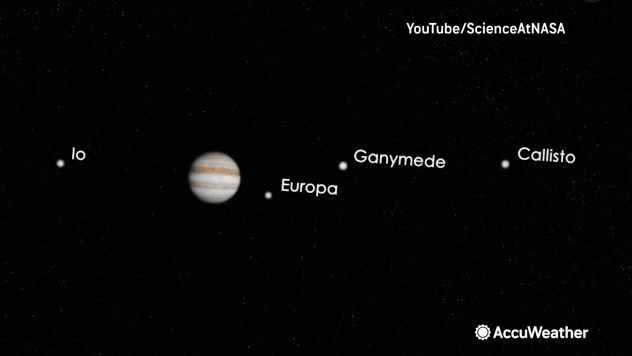
Jupiter rises in the eastern sky following sunset and remains visible throughout the night. By midnight, it reaches its highest point, ideal for spotting its four major moons: Io, Europa, Ganymede, and Callisto. A small telescope reveals these moons' mesmerizing dance around the giant planet in real time.
Saturn also graces the December sky, though lower than Jupiter. Its magnificent rings are still observable with modest telescopes, while the planet’s golden tint provides a striking contrast as it moves steadily against the starry backdrop.
The distinct reddish glow of Mars becomes noticeable later in the evening, rising around 8:44 p.m.. Though less bright than Venus or Jupiter, Mars’ unique hue makes it an unmistakable feature visible until dawn.
Optimal Viewing Periods: Moon Phases Shape Stargazing Opportunities
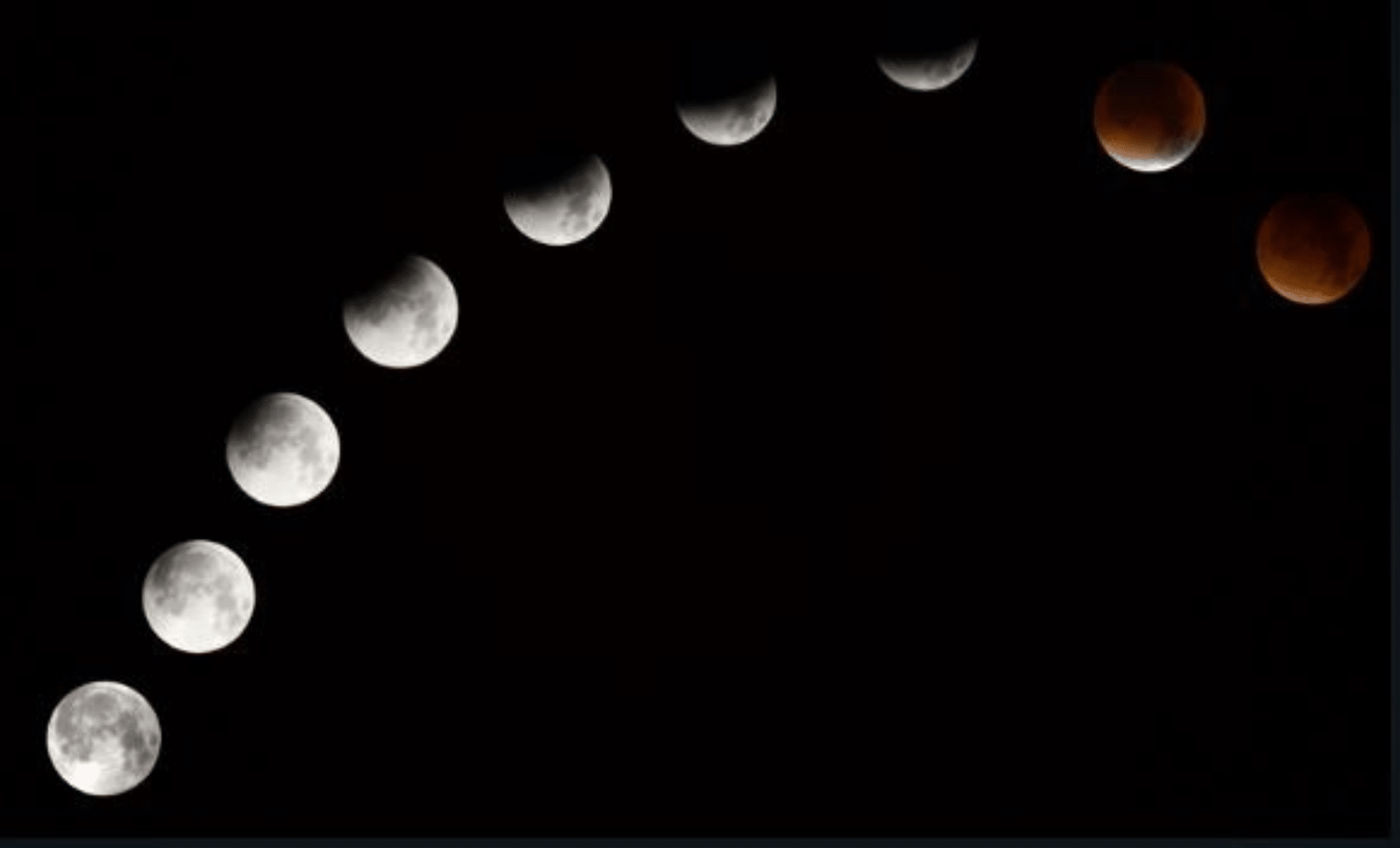
Moon phases play a crucial role in determining the best stargazing moments during December. The First Quarter Moon arrives on December 8, followed by the Full Moon on December 15. The Last Quarter Moon falls on December 22, with the New Moon on December 30. The darkest skies coincide with the New Moon, providing prime conditions to observe faint stars, galaxies, and the Geminid meteor shower in all its splendor.
During this moonless phase, the sky’s darkness intensifies, enhancing the visibility of subtle celestial objects typically masked by moonlight. Stargazers aiming to capture the essence of December’s night sky should plan outings around the New Moon for the clearest, most immersive cosmic experience.
Winter Solstice Marks the Year’s Shortest Day
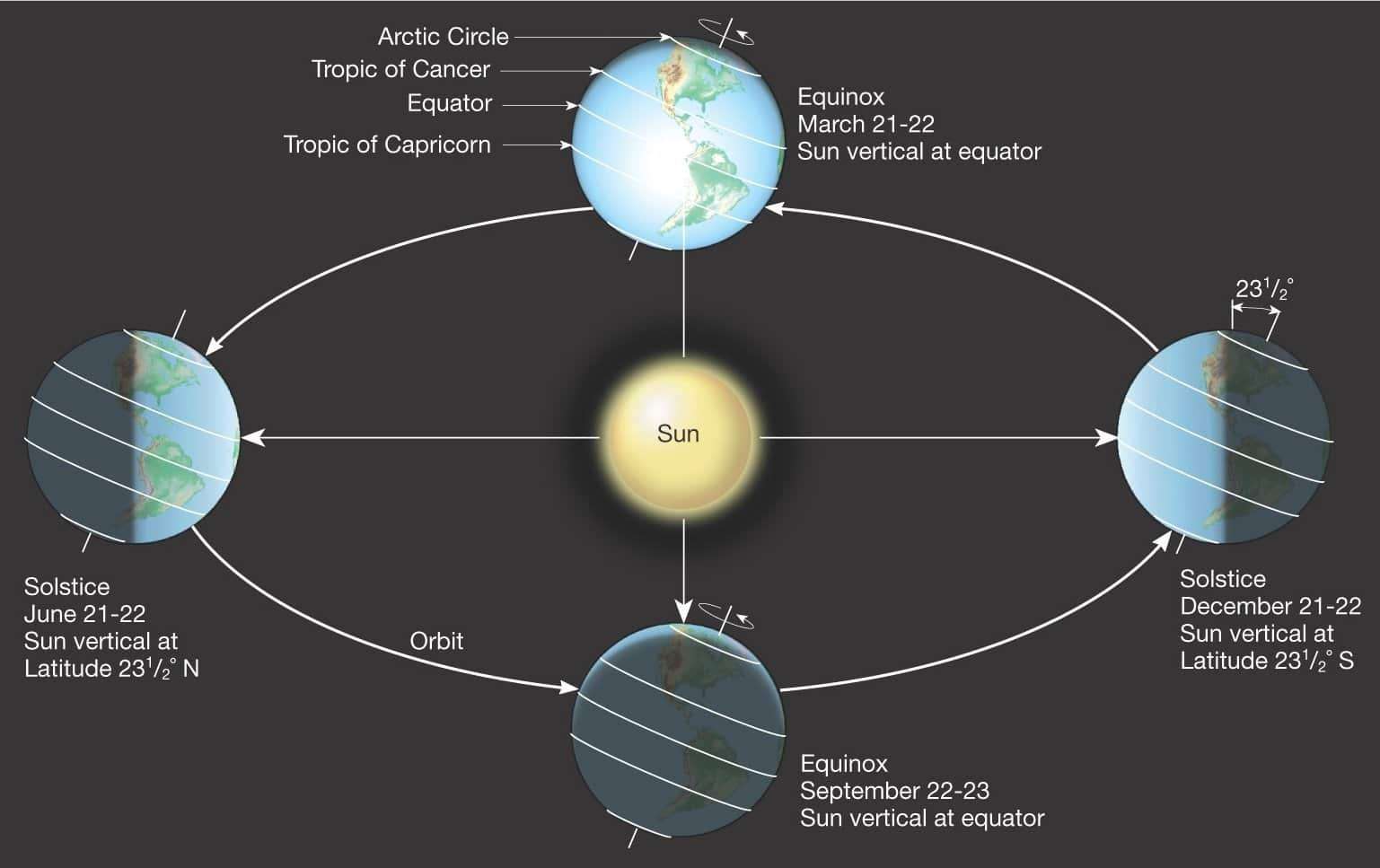
December 21 at 4:21 a.m. EST heralds the Winter Solstice, a pivotal moment when the Northern Hemisphere tilts furthest away from the Sun. This event yields the briefest daylight span and longest nocturnal stretch of the year. Though fleeting in time, the solstice signals the gradual return of longer days and the onset of seasonal changes heading toward summer.
The solstice’s significance extends beyond science; cultures worldwide commemorate it as a time of renewal and hope. Rooted in Earth’s axial tilt of roughly 23.5 degrees, the event emphasizes the intricate celestial mechanics shaping our environment. For those who gaze upward, the Winter Solstice offers a moment to reflect on our planet’s cosmic rhythms and their impact on daily life.
The Ursid Meteor Shower: A Serene End-of-Year Display
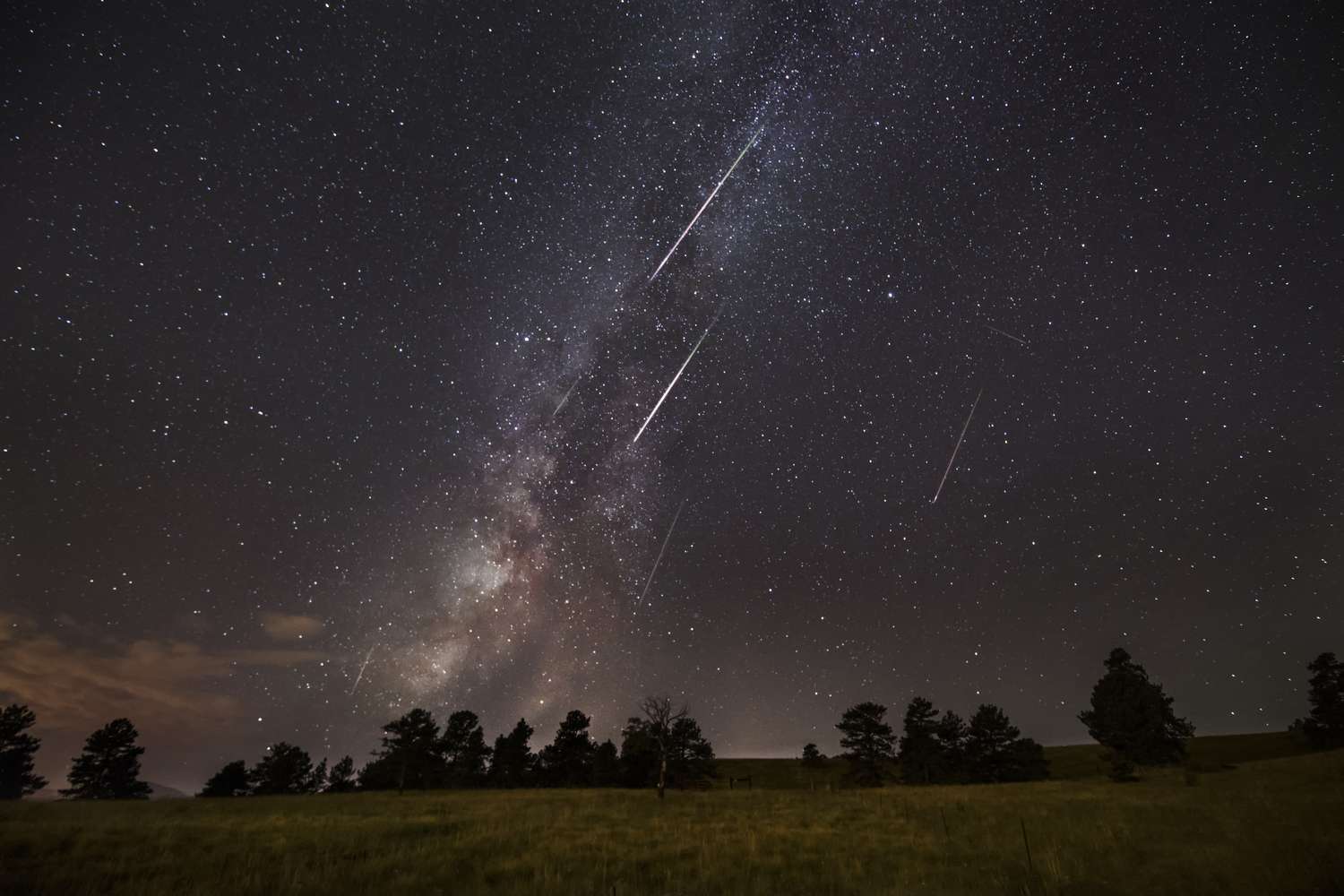
Following the dramatic Geminids, the Ursid meteor shower offers a quieter yet delightful spectacle in late December. Reaching its peak around December 22 and 23, the Ursids typically produce about five to ten meteors per hour under ideal conditions. Though less prolific than the Geminids, the Ursids' slower, gentle meteors create a peaceful cosmic experience.
Originating from the Ursa Minor constellation, home to the Little Dipper, these meteors trace calm, luminous paths across the night sky. Accessible without special equipment or preparation, the best viewing times are from midnight through early morning, perfect for those seeking a tranquil conclusion to the year’s astronomy events.
While not as widely celebrated, the Ursid meteor shower invites stargazers to appreciate the vastness of space in reflective stillness. If you’re awake during these late December nights, don’t miss the chance to witness this understated but enchanting celestial phenomenon.
- Categories:
- News





0 comments
Sign in to Comment