
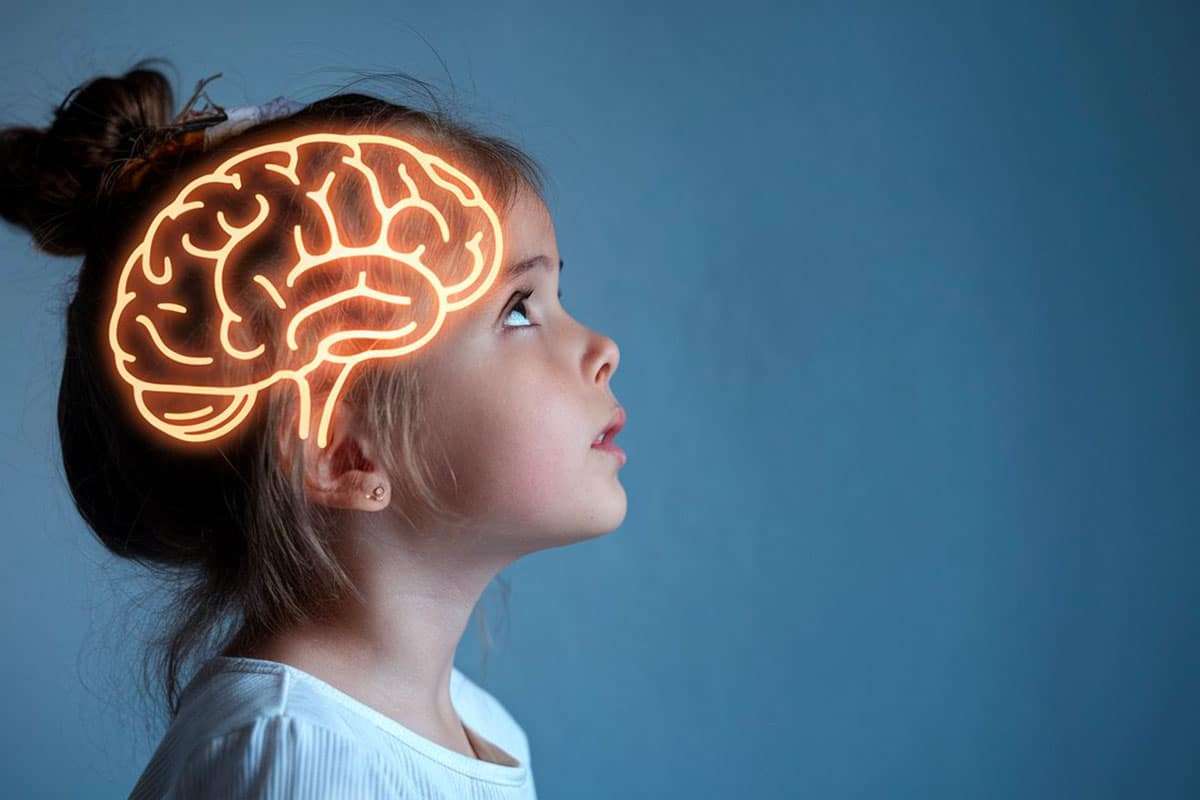
Giftedness takes many shapes, and American scholars Georges Betts and Maureen Neihart have outlined six unique profiles observed in gifted children and teens. Originally introduced in 1988 and updated in 2010, these profiles shed light on the rich variety within the realm of high intellectual potential (HIP).
The six distinct profiles include:
- The Achiever
- The Innovator
- The Concealed
- The Vulnerable
- The Twice-Gifted
- The Self-Directed
Each profile captures a particular combination of behaviors and traits that can guide the identification and support of gifted individuals. These categories serve as flexible frameworks, as gifted persons often embody traits from several profiles simultaneously.

Understanding each gifted profile in detail
Diving into the specifics of each profile provides deeper understanding of cognitive strengths and potential obstacles. Here is an overview of each type:
The Achiever: This profile is often labeled as the “model student,” excelling in academics and typically surpassing peers. These individuals may read before starting first grade and consistently perform at high academic levels. Despite this, they can experience unstated boredom in classroom settings.
The Innovator: Known for challenging norms, these gifted individuals openly express their need for stimulation and may disrupt conventional classroom routines. Their confidence and eagerness to explore alternative learning paths often lead them down less traditional educational routes.
The Concealed: People within this group tend to hide their abilities, which can generate frustration and feelings of being misunderstood. They are highly empathetic and adaptable but might struggle to fully showcase their talents.
The Vulnerable: Often called “the dropout,” these individuals experience feelings of rejection and struggle with low self-esteem. Emotional difficulties can hinder their performance both socially and academically.
The Twice-Gifted: This group includes individuals who are gifted but also face learning disabilities such as ADHD. Their challenges may overshadow their talents, complicating efforts to recognize and foster their abilities.
The Self-Directed: Characterized by a strong self-awareness and acceptance of mistakes as part of growth, these individuals are emotionally intelligent and less swayed by external criticism.
Interestingly, simple cognitive tests can provide clues about which profile someone may align with.
The challenge of defining intelligence
While these profiles provide valuable perspectives on giftedness, it's essential to keep in mind that measuring intelligence has significant limitations. The French geneticist Albert Jacquard argued that assessing intelligence is fundamentally problematic, pointing out that the complex neural networks in the brain exceed what genetics alone dictate.
Intelligence is multidimensional, encompassing more than the traditional academic abilities. Howard Gardner proposed a theory highlighting eight diverse types of intelligence:
- Logical-mathematical
- Verbal-linguistic
- Spatial
- Musical
- Bodily-kinesthetic
- Interpersonal
- Intrapersonal
- Naturalistic
These various intelligences illustrate that intellectual capability cannot be confined to a single measure. Moreover, cognitive performance peaks at different stages of life, further complicating a fixed definition of intelligence.
Encouraging varied intellectual talents beyond labels
While these profiles offer helpful guidance, they should not be used to stereotype or confine individuals. People’s cognitive skills develop over time, and recognizing diverse aptitudes is key to fostering growth.
Our comprehension of intelligence also expands beyond human minds. Discoveries such as the James Webb Telescope’s findings on failed stars in the Orion Nebula highlight the endless intricacies of our universe and the pursuit of scientific understanding.
Promoting critical thinking and scientific literacy is increasingly vital, especially considering studies showing that one in six youths believe the Earth is flat, underlining the necessity for education that cultivates analytical skills and skepticism.
Ultimately, recognizing the different profiles of giftedness is a step towards inclusive environments that empower individuals to maximize their unique abilities and thrive.
- Categories:
- Science









0 comments
Sign in to Comment