
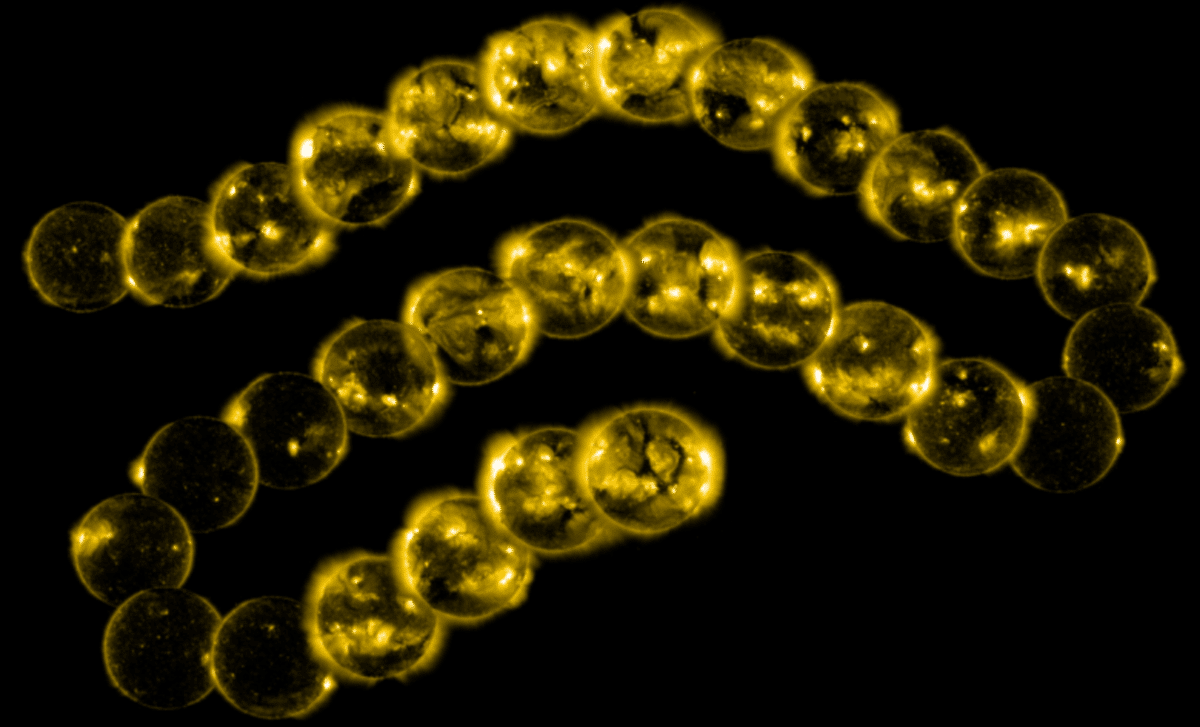
For over 30 years, the Solar and Heliospheric Observatory (SOHO) has served as humanity's vigilant observer of the Sun, revealing new insights into solar dynamics and space weather. Originally planned for only a two-year mission, SOHO has since become a foundational tool in solar physics, with its latest discoveries featured in Nature Astronomy. Its history combines cutting-edge science with gripping moments of survival, influencing solar research for decades to come.
SOHO’s Remarkable Durability
Marking its 30th year in space, SOHO is among the longest-running space missions in history. Though initially intended to operate for just two years, it has continuously delivered invaluable observations of our star from its unique orbit 1.5 million kilometers from Earth. This longevity reflects the unwavering efforts of a dedicated international team. As Prof. Carole Mundell, ESA Director of Science, remarks,
“It is testament to the ingenuity of our engineers, operators, and scientists, and to international collaboration, that this mission has exceeded all expectations.”
Add Cosmo Herald as a Preferred Source

SOHO has survived several critical challenges, none more dramatic than the incident roughly two and a half years post-launch when a malfunction caused it to spin uncontrollably, severing contact with Earth.
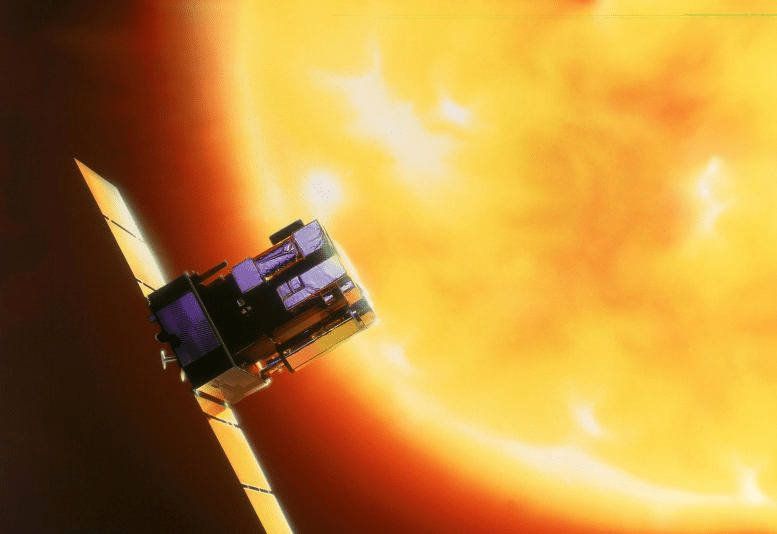
Months of troubleshooting eventually restored communication, reinforcing SOHO’s status as a vital spacecraft in solar science.
“SOHO has overcome nail-biting challenges to become one of the longest-operating space missions of all time,” says Mundell.
Transforming Solar Research and Space Weather Prediction
SOHO has revolutionized our understanding of solar phenomena, especially in predicting space weather events. Its data streams have been crucial in forecasting solar storms that can interfere with communication networks, electrical systems, and satellites on Earth. Daniel Müller, ESA Project Scientist emphasizes,
“SOHO pioneered new fields in solar science. It is a game-changer in the study of space weather, providing real-time monitoring of the Sun to forecast potentially dangerous solar storms heading towards Earth, and its legacy continues to guide future missions.”
Its continuous monitoring has spurred the implementation of structured space-weather surveillance initiatives worldwide, such as the PROSWIFT Act in the United States.
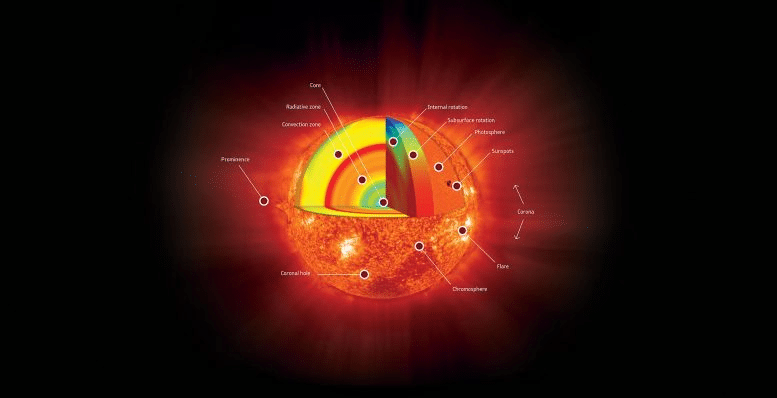
SOHO’s unique achievement lies in its uninterrupted observations spanning nearly three complete solar cycles. This extensive data set has been essential for analyzing how solar radiation influences Earth’s atmosphere, including its effects on weather systems and climate change. Ever active, SOHO continues to underpin new scientific research with its daily solar measurements.
Overcoming Early Hurdles: The Determination Behind SOHO
During its initial phase, the SOHO mission faced numerous obstacles that threatened its continuation. A critical failure of its stabilization gyroscopes compromised the spacecraft’s ability to maintain accurate positioning for precise observations. Thanks to the creativity of the international engineering teams, a novel software workaround replaced the gyroscope function, allowing SOHO to resume its mission with high-quality data collection. NASA’s Nicky Fox notes,
“The SOHO mission is a great example of the incredible partnerships between NASA and ESA.”
The strong collaboration between these agencies was instrumental in navigating these setbacks, ensuring SOHO’s legacy as a source of transformative solar data.
SOHO: The Unmatched Comet Discoverer
Besides its solar exploration, SOHO has earned fame as the premier comet observer, identifying more than 5,000 comets — a record unmatched by any other spacecraft. Using its coronagraph, SOHO detects numerous ‘sungrazer’ comets that pass perilously close to the Sun, enabling detailed studies of their trajectories and compositions. These insights have deepened our knowledge of early solar system evolution.
In March 2024, SOHO marked the milestone of discovering its 5,000th comet. Although comet hunting was never the primary mission focus, this achievement has greatly enriched cometary science. Moreover, contributions from citizen scientists through the Sungrazer Project highlight the power of global teamwork in advancing space research.
- Categories:
- Space









0 comments
Sign in to Comment