
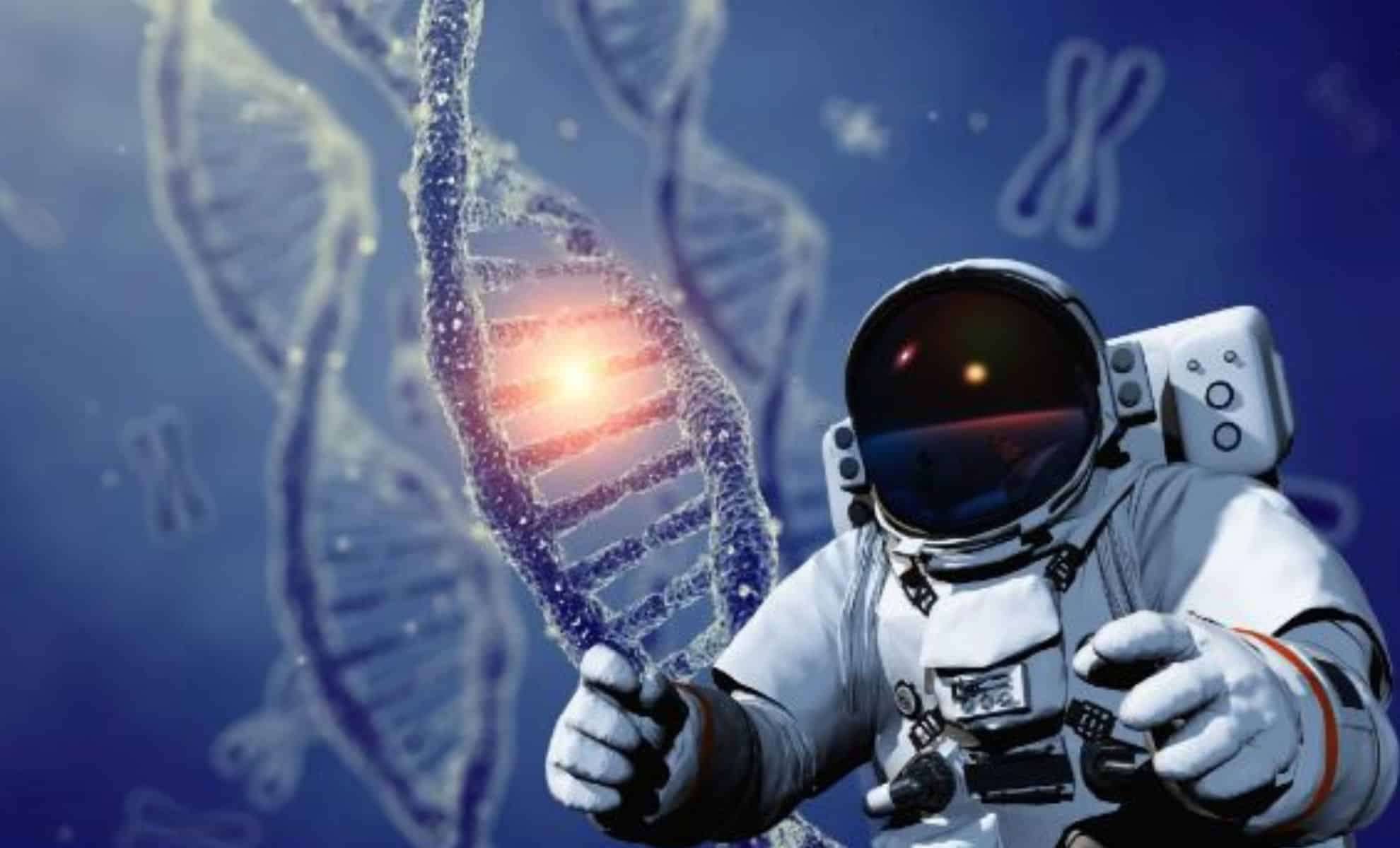
As humanity sets its sights on the cosmos, the hurdles of deep space travel and colonization become increasingly evident. Space presents extreme conditions such as intense radiation, temperature extremes, and the effects of microgravity that pose significant risks to human health.
Innovative conversations among researchers and visionaries are placing genetic modification at the forefront as a potential solution, proposing that altering human DNA may be crucial for future interplanetary existence.
Gene Editing: Unlocking New Possibilities in Space Travel
The idea of enhancing humans through genetic engineering for space missions is gaining momentum, boosted by breakthroughs like CRISPR-Cas9. Since its debut in 2011, this technology has enabled targeted genome alterations, which may allow scientists to embed traits that shield astronauts from spaceborne hazards such as cosmic radiation, a primary contributor to cancer and other health complications.

During a recent forum hosted by the British Interplanetary Society, astronomer royal Lord Martin Rees engaged with Mars exploration proponent Dr. Robert Zubrin in debating human versus robotic Mars missions. While opinions diverged on exploration methods, both agreed on the transformative potential of gene editing. Lord Rees, co-author of The End of Astronauts, highlighted that "Our genome encompasses all DNA within our cells. By refining it, we could equip humans to better tolerate the hardships of space travel."
Applications and Ethical Challenges of Genetic Enhancements
The scope of gene editing for space missions is extensive. Scientists consider inserting genes from organisms adept at radiation resistance, such as certain plants and bacteria, into human DNA. Furthermore, genes that slow aging and improve cellular repair might lessen the detrimental effects of long-duration spaceflight. Researchers are also investigating genetically modified crops that thrive amid high radiation exposure, ensuring food sustainability on extraterrestrial outposts.
A captivating area of study involves integrating genes from tardigrades—tiny creatures renowned for surviving extreme environments—into humans. Tardigrades endure radiation, dehydration, and the vacuum of space. Laboratory tests show that human cells incorporating tardigrade genes gain enhanced resistance to X-rays, opening a path toward boosting human resilience beyond Earth.
As highlighted by ScienceAlert and The Conversation, while these prospects are exciting, they also present profound ethical dilemmas. The swift rise of gene-editing tools like CRISPR-Cas9 has outpaced ethical debates and regulatory frameworks globally. Notably, the 2018 case of Chinese researcher He Jiankui, who controversially created the first gene-edited infants, sparked worldwide condemnation and legal repercussions. This event underscores the delicate balance between groundbreaking science and moral accountability.
Genetically Modified Astronauts: Charting the Path Ahead
As space missions undertaken by governmental and private entities advance toward establishing human colonies beyond Earth, the use of genetic engineering provokes ongoing discussion. Advocates argue these interventions may be vital for protecting crew health and mission success, while critics warn of unpredictable consequences and ethical quandaries from altering human biology.
Whether society embraces genetic enhancement for explorers hinges upon cultural acceptance and effective governance. As Lord Rees and other thought leaders emphasize, the promise of genome editing in space travel is enormous, but it demands careful reflection about what it means to be human and our future in the universe.
The concept of genetically augmented astronauts offers a compelling vision of space exploration’s future. Whether through incorporating radiation-resistant genes or developing robust extraterrestrial agriculture, gene editing could be instrumental for human endurance beyond Earth’s bounds. Yet, progressing responsibly will require addressing ethical and societal impacts thoughtfully.
- Categories:
- News ,
- Science ,
- Space ,
- Evolution ,
- Physics





0 comments
Sign in to Comment