
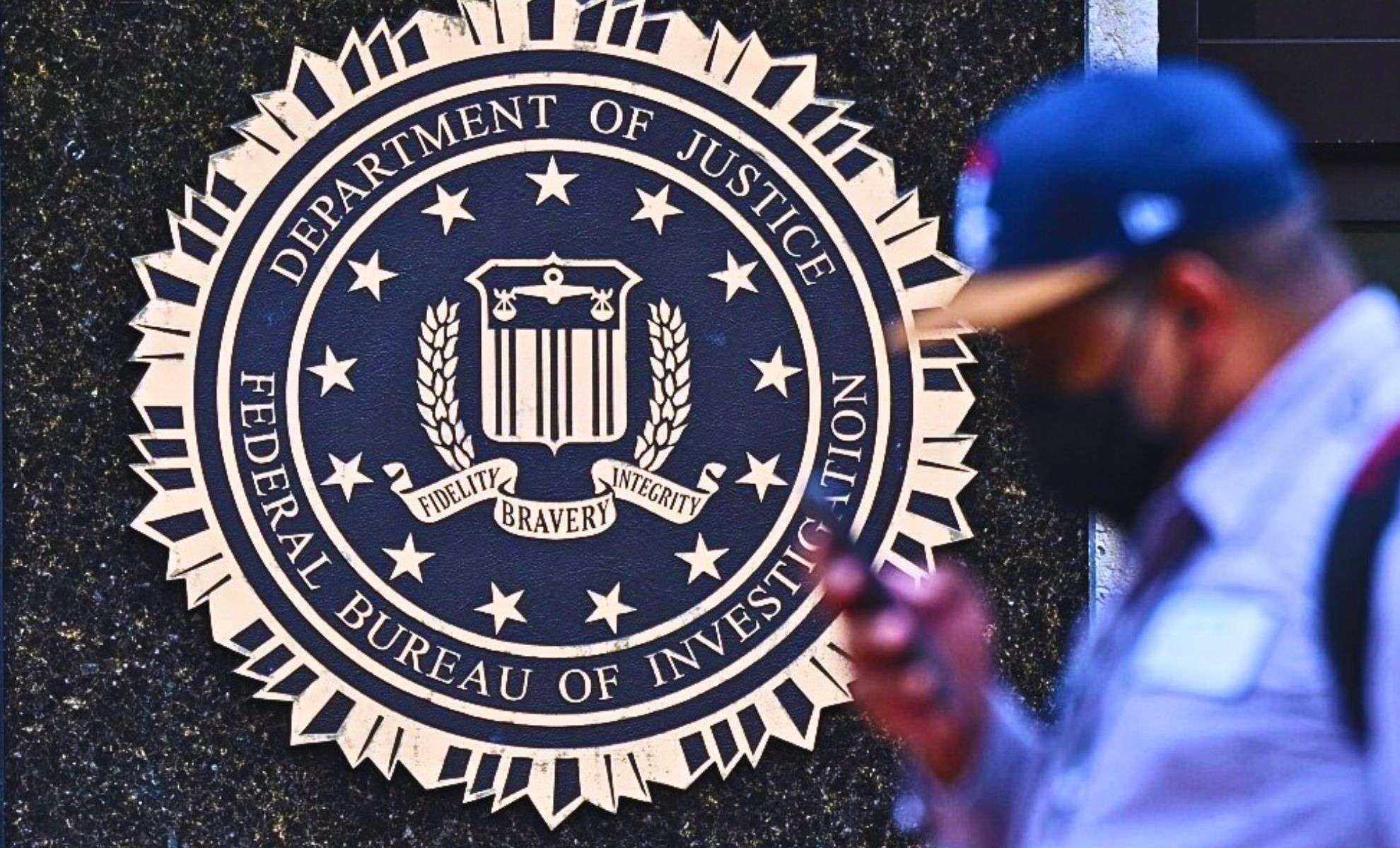
The FBI has strongly advised users of iPhone and Android devices to reconsider relying on well-known messaging platforms such as WhatsApp, Facebook Messenger, and Signal. Despite their widespread use and end-to-end encryption features, these apps may pose risks by enabling criminals to operate without detection and hindering law enforcement from accessing essential evidence in investigations related to public safety.
Encrypted Messaging Apps: A Double-Edged Sword for Security
While the FBI respects the importance of advanced encryption methods, it highlights a major problem: these applications lock messages away so securely that even legal requests cannot retrieve them. This thorough encryption essentially signals, “Not even authorities can read these messages.” Although this guarantees users' privacy, it also provides a shield for cybercriminals who exploit this technology to execute illegal actions with little risk of interception.
- In 2023, hackers believed to be affiliated with China reportedly used WhatsApp to funnel stolen data from U.S. technology firms.
- Moreover, terrorist organizations have allegedly leveraged Signal to coordinate attacks on a large scale.
FBI Director Christopher Wray pointed out the difficulties that end-to-end encryption creates for investigations:

“The public should not have to choose between safe data and safe communities. We should be able to have both—and we can have both… Collecting evidence is becoming harder, because so much of that evidence now lives in the digital realm. Terrorists, hackers, child predators, and more are taking advantage of end-to-end encryption to conceal their communications and illegal activities from us.”
Although these messaging services excel at protecting individual privacy, they simultaneously present a challenge by limiting law enforcement’s capability to safeguard public security.
Tech Giants Defend Encryption Amid Growing Debate
The controversy deepens as major technology companies like Meta, Apple, and Google maintain their commitment to end-to-end encryption, citing the fundamental right to user privacy. Yet, the reality becomes complex when these technologies are misused by bad actors to elude surveillance and conduct unlawful activities.
This creates a critical tension between privacy rights and the need to protect the public. While governments focus on security, tech firms emphasize safeguarding users’ information.
In response to the FBI’s concerns, Meta CEO Mark Zuckerberg defended WhatsApp’s encryption strategy, emphasizing its importance for user protection:
“The best way to protect and secure people’s communications is end-to-end encryption. This recent attack makes that point incredibly clear, and we will continue to provide this technology to people who rely on WhatsApp.”
However, some experts like Rod Rosenstein, former Deputy U.S. Attorney General, have raised concerns about so-called "warrant-proof" encryption, warning it poses a serious challenge for law enforcement:
“Encryption is a foundational element of data security and authentication… But the advent of ‘warrant-proof’ encryption is a serious problem… The law recognizes that legitimate law enforcement needs can outweigh personal privacy concerns.”
FBI Demands Reconsideration of Encryption Practices
The FBI insists that “it's critical for companies to reevaluate their encryption policies.” The agency argues that with balanced encryption, users can remain safe, and authorities can still act swiftly against potential threats. Still, questions linger about whether tech companies will make concessions, given the lucrative nature of encryption services and strong user demand for privacy.
The Electronic Frontier Foundation (EFF) publicly opposed proposals for “responsible” encryption, claiming such changes would weaken key aspects of digital security:
“Responsible Encryption demand is bad and he should feel bad… DOJ has said that they want to have an ‘adult conversation’ about encryption. This is not it. The DOJ needs to understand that secure end-to-end encryption is a responsible security measure that helps protect people.”
Balancing Data Privacy and Public Safety
The growing debate illustrates the complex battle between defending individual data and maintaining societal safety. As awareness about digital threats increases, striking a manageable balance between privacy rights and public protection could require difficult choices. This unfolding issue means every message you send might carry wider implications—for better or worse.











0 comments
Sign in to Comment