

United Launch Alliance (ULA) is preparing to undertake the concluding Atlas V launch that will deploy a national security payload into orbit.
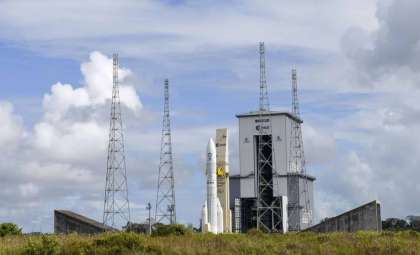
The mission, known as USSF-51, will lift off from Space Launch Complex 41 at Cape Canaveral Space Force Station. The scheduled launch window opens at 6:45 a.m. EDT on Tuesday, July 30, lasting three hours.
This event represents the 58th and final national security flight for the Atlas V rocket, a key asset in American military and intelligence missions since its initial flight in 2007 with the STP-1 mission.

Atlas V’s Final National Security Flight
The Atlas V rocket has been a critical component of the National Security Space Launch program, delivering essential services for national defense and intelligence. The USSF-51 mission carries a classified payload, consistent with its predecessors.
Col. Jim Horne, Senior Materiel Leader at the Launch Execution Delta, reflected on the mission’s significance: “It’s a mix of pride and nostalgia. I had the honor of overseeing the first national security Atlas launch back in 2007 with STP-1, and now we’re at the final one for that program.”
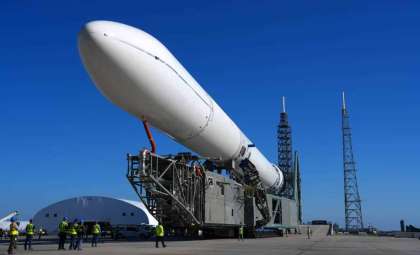
The Atlas V launch vehicle for this mission is the 551 configuration, featuring five solid rocket boosters and a short payload fairing measuring 17 feet in diameter, which brings its total height to nearly 196 feet. This setup is crafted to fulfill the rigorous demands of national security payload requirements, ensuring optimal launch performance and protection.
Transitioning to the Vulcan Rocket
As ULA wraps up the Atlas V’s national security role, the attention is shifting toward the Vulcan rocket, the company’s next-generation launch platform. Vulcan is intended to replace both the Atlas V and the Delta IV, streamlining capabilities into a more adaptable and economical system.
Gary Wentz, ULA’s vice president overseeing Government and Commercial Programs, highlighted the learning process, saying, “We continuously gather knowledge with each flight. This mission uses five GEM 63 boosters, so the data we collect will help improve future Atlas missions.”
The Vulcan rocket is in the midst of certification, with the Cert-2 mission standing as a crucial step. ULA and the U.S. Space Force are applying lessons learned and data from the Atlas V flights to guide Vulcan’s development.

Dr. Walt Lauderdale, the director of the USSF-51 mission, stressed the close-knit collaboration involved: “Partnering with ULA means having in-depth understanding of the vehicle and ground systems. No amount of simulation matches real vehicle and system data.”
Looking Forward
While the Atlas V will retire from national security roles, it is slated to complete 15 more missions covering commercial and crewed launches as ULA gradually shifts to the Vulcan system. This transition is not just about new vehicles but building on decades of expertise to ensure continuous progress in U.S. space operations.
Col. James T. Horne emphasized broader strategic concerns: “Space presents emerging threats that challenge our operational freedom and the vital services provided worldwide, such as positioning and navigation.” His remarks highlight the critical nature of space launch capabilities amid growing global competition.
The final Atlas V flight will be available to watch live on ULA’s official site and their YouTube channel, serving as a tribute to a rocket that has played a foundational role in U.S. space achievements. As Vulcan takes over, Atlas V’s legacy will continue to shape future advancements in space security and exploration.
- Categories:
- Astronomy ,
- News ,
- Space ,
- Aircraft







0 comments
Sign in to Comment