
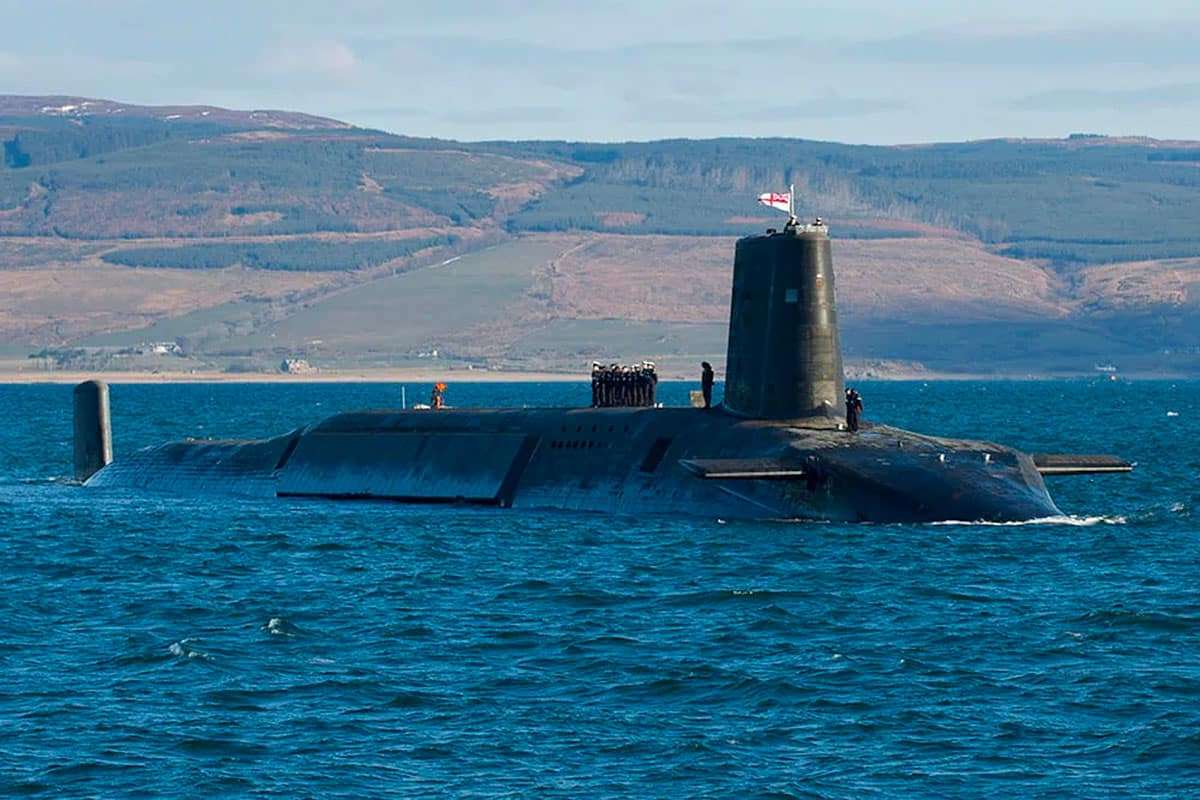
On August 2nd, The Telegraph uncovered a severe security vulnerability within the Royal Navy’s submarine operations. It emerged that essential software running on British submarines, including those from the nuclear-armed Vanguard class, was developed by programmers based in Belarus. This discovery is particularly troubling given Belarus’s strong political and military links with Vladimir Putin’s regime in Russia.
The consequences of this revelation could be profound. Security analysts warn that this could allow foreign adversaries unprecedented insight into the UK's top-secret naval systems. This situation mirrors historical instances where advanced technological tactics were used to deceive enemies—but here, the risk is that sensitive military secrets might be exposed instead.
The controversy has raised pressing concerns about:

- The thoroughness of background checks for defense suppliers
- The extent to which overseas entities influence critical defense infrastructure
- The possible exposure of classified information
- The robustness of current cybersecurity frameworks safeguarding the UK’s nuclear forces
Persistent hurdles for the Royal Navy
This software issue adds to a series of recent difficulties confronting the Royal Navy. The fleet has confronted many obstacles both on the surface and beneath the sea. The surface fleet, including aircraft carriers, has encountered operational challenges in conflict zones like the Red Sea, particularly against Houthi insurgents.
Nevertheless, submarine operations seem to be facing the most serious hurdles. The exposure of Belarus-linked software troubles follows other alarming problems, such as:
- Technical malfunctions in nuclear submarine vessels
- Crew shortages that limit mission readiness
- Delays in replacing aging submarines
- Questions arising over the reliability of the Trident missile system
These accumulating setbacks have shaken confidence in the Royal Navy’s ability to uphold its naval dominance and uphold the credibility of its nuclear deterrent.
Consequences for UK defense security
The discovery of potentially compromised submarine software triggers serious alarm regarding the security of Britain’s nuclear deterrent. If hostile entities have been able to access sensitive operational information, it could critically weaken the country’s strategic defense stance.
This issue draws parallels with modern concerns about neurotechnology and artificial neural interfaces, underscoring the risks posed when advanced technologies are exploited by adversaries. In response, there are increasing calls to thoroughly audit all defense-related software systems.
Risk assessment highlights key vulnerabilities:
Strengthening naval cybersecurity moving forward
Following this controversy, the Royal Navy and UK defense authorities must reconsider their cybersecurity strategies. Security experts advocate for revamping procurement policies and enforcing stricter protection measures against cyber threats.
The debate also extends to the increased integration of artificial intelligence and automation in naval operations. Some proponents suggest that embracing AI could help reduce human errors and plug security gaps. This concept resembles ideas explored within military drone innovations inspired by feline agility.
The Royal Navy now faces the critical challenge of restoring confidence and safeguarding its most vital systems. The upcoming period will be essential for determining whether the UK can sustain its leadership role in an evolving maritime security and technological landscape.
- Categories:
- Tech

















0 comments
Sign in to Comment