
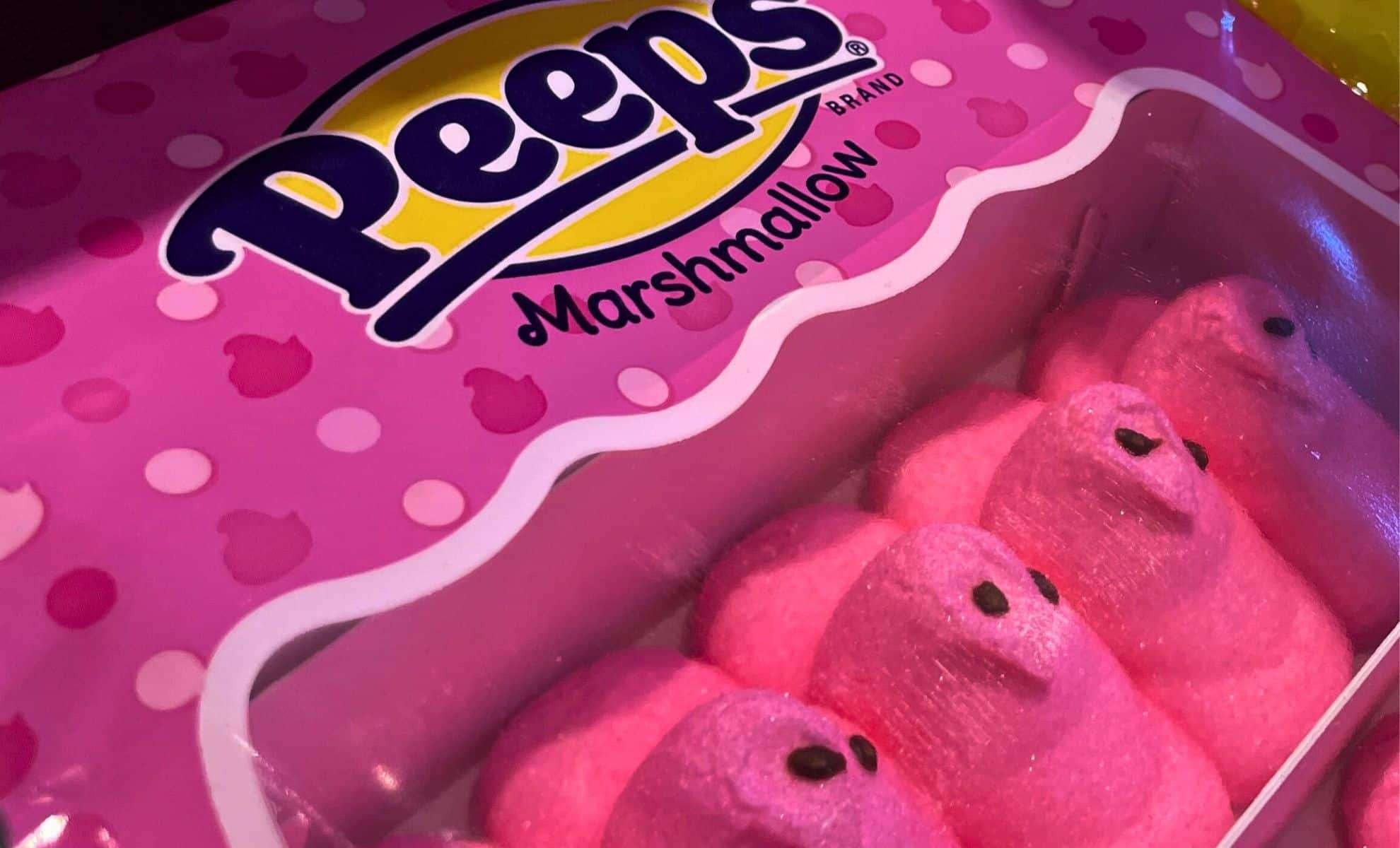
The Food and Drug Administration (FDA) in the United States is weighing a significant step to prohibit red 3, a synthetic dye made from petroleum sources. Found in numerous American food items, including popular treats such as Pez, Peeps, and Betty Crocker products, this potential ban follows growing calls from health advocates over its possible harmful effects, especially for children.
Examining the Health Risks Associated with Red 3
Although the FDA has historically approved red 3 for consumption within set safety limits, research has revealed carcinogenic risks in animal studies, leading to the dye’s prohibition in cosmetics since 1990. Despite these findings, red 3 remains extensively used in food, stirring debate about its continued presence in the U.S. food system.
Possible Health Impacts of Red 3:
- Carcinogenic tendencies: Experimental data indicate that red 3 may induce cancer, notably thyroid tumors in lab animals. While the direct link to human cancer has not been conclusively proven, these animal results raise warnings.
- Endocrine system interference: Ongoing studies suggest that red 3 could disrupt hormones, particularly those regulating the thyroid, posing additional risks to children whose endocrine systems are developing.
- Behavioral effects on children: Evidence points to artificial dyes like red 3 potentially exacerbating hyperactivity and other behavioral challenges, especially among children diagnosed with ADHD. This has increased scrutiny on the use of such additives in kids’ foods.
- Allergic response potential: Although uncommon, red 3 and similar dyes have been linked to allergic symptoms, including skin irritation, swelling, and breathing difficulties, with cumulative exposure heightening these risks.
During a recent hearing before a U.S. Senate health panel, Jim Jones, deputy commissioner for human foods at the FDA, indicated the agency’s intention to possibly revoke red 3 approval soon. “We currently have a petition regarding red 3, and we expect to address it within the coming weeks,” he stated.

Nevertheless, critics argue this move is overdue, citing that the European Union has already prohibited the dye in foods. Activist Robert F. Kennedy Jr. has repeatedly highlighted the health dangers posed by food dyes, including carcinogenic risks and behavioral disruptions, intensifying demands for U.S. action.
Why Red 3 Still Appears in U.S. Foods
Questions linger over the continued use of red 3 in America, despite bans in countries like the EU, Canada, and Japan. Many critics accuse the FDA of prioritizing industry interests over consumer health, noting that food colorings often serve only to enhance visual appeal, particularly targeting younger consumers.
Currently, approximately 3,000 food products in the U.S. contain red 3. Some well-known items include:
- Pez candies (from Pez Candy Inc. in Austria)
- Peeps marshmallows (manufactured by Just Born Inc. in Pennsylvania)
- Betty Crocker mixes (by General Mills in Minnesota)
- Dubble Bubble gum (produced by T.F.H., part of ConAgra Foods)
Despite offering no nutritional benefits, these dyes enhance marketability, which raises ethical issues about exposing children to potentially hazardous substances in mass quantities.
Political Debate and Consumer Reactions
The push to eliminate red 3 has sparked heated discussions among lawmakers. Frank Pallone, a Democratic congressman from New Jersey, has criticized the FDA’s inaction, emphasizing the unnecessary presence of this dye in foods merely to improve appearance. “There is no justification for adding this chemical except to make food seem more attractive,” Pallone remarked in a recent FDA communication.
Conversely, some Republican legislators defend the FDA’s existing regulatory processes, asserting they adequately protect consumers. Still, the controversy has heightened demands for tighter control of food additives nationwide.
In 2023, California enacted legislation banning red 3 alongside other dyes, reflecting growing state-level efforts to shield consumers where federal regulations are viewed as insufficient. This law also mandates clear labeling of products containing banned additives, promoting transparency.
The Future of Red 3 and Food Safety Measures
The FDA’s forthcoming decision on red 3 has sparked widespread dialogue about food safety standards in the U.S. Advocacy groups argue this case exemplifies broader issues with the FDA’s regulation of additives. Should the ban take effect, it may trigger reassessment of other controversial dyes and chemicals permitted domestically but prohibited abroad.
Beyond red 3, other additives such as yellow 5 and yellow 6 face examination for possible health concerns. Their continued use in the U.S., despite bans in the European market, has raised questions surrounding safety benchmarks across different regions.
At present, the ultimate status of red 3 is unresolved, but rising regulatory actions and public scrutiny signal a shift toward imposing stronger limits on artificial chemicals in food.









0 comments
Sign in to Comment