
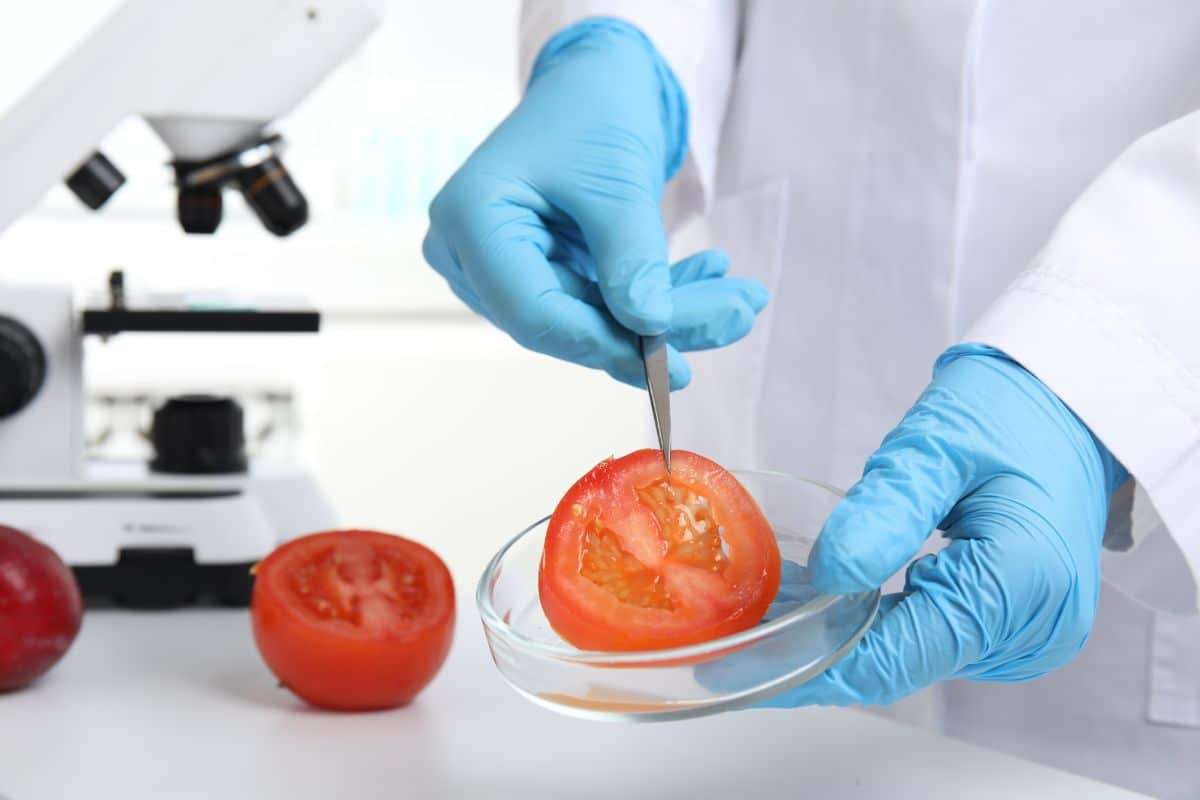
Belonging to the nightshade family, tomatoes share lineage with plants notorious for producing natural poisons. Relatives like deadly nightshade and potatoes generate steroidal glycoalkaloids, substances potentially harmful to humans. While potatoes can become toxic if they sprout or develop green patches, tomatoes are commonly consumed without danger.
Historically, tomatoes were wrongly believed to be poisonous. Recent research from Sichuan University has now pinpointed the genetic process that enables tomatoes to convert their toxic compounds into harmless ones, making them safe to eat.
The Poisonous Legacy of Nightshade Plants
Plants of the Solanaceae family produce steroidal glycoalkaloids as a defense mechanism against animals that might eat them. These bitter chemicals disrupt cell membranes and can cause severe harm if ingested in large amounts. For humans, consuming excessive doses may trigger symptoms such as nausea, vomiting, abdominal pain, and even internal hemorrhaging.

Potatoes naturally contain these glycoalkaloids, and their concentrations rise when exposed to light or damage. That's why consumption of green or sprouted potatoes can lead to poisoning. Tomatoes, part of the same family, were once feared to pose similar risks.
However, unlike their harmful relatives, tomatoes undergo a special ripening process that lowers their toxic content, rendering them safe and nutritious.
What Mechanism Helps Tomatoes Detoxify?
During ripening, tomatoes switch on genetic pathways that reduce glycoalkaloid levels. The research identifies a critical protein named DML2 which modulates gene activity.
DML2 initiates demethylation, a process that removes chemical tags suppressing certain genes. Consequently, genes producing toxic compounds get turned off, while those responsible for the tomato's ripening traits—color, texture, and flavor—are activated.
Through this shift, harmful glycoalkaloids transform into esculeoside A, a much safer molecule. By the time tomatoes are ripe, the toxic substances have diminished to safe concentrations suitable for consumption.
Why Does This Change Happen?
This detoxifying mechanism is a clever evolutionary adaptation. Unripe, green tomatoes contain higher toxin levels to deter animals from eating them too soon, ensuring that the seeds inside have the opportunity to mature fully.
This natural protection strategy balances defense with reproduction, allowing the fruit to safeguard itself while eventually encouraging seed dispersal.
Domestication's Role in Making Tomatoes Even Safer
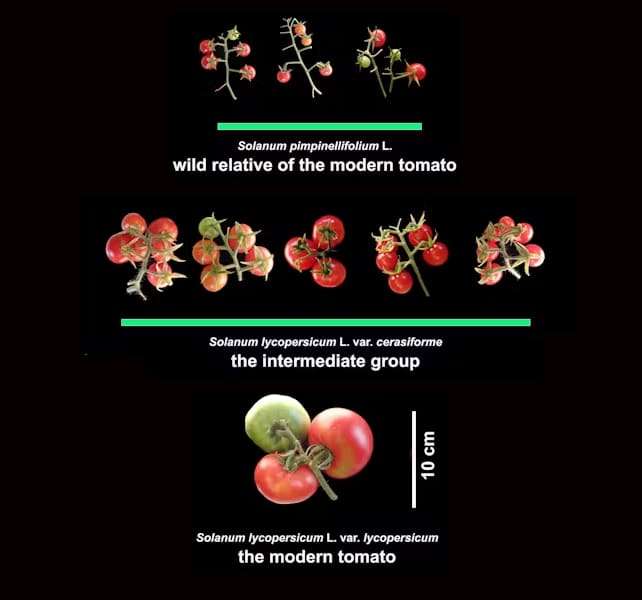
Moreover, the study suggests human cultivation has intensified this beneficial process. Wild tomatoes tend to be smaller, bitterer, and more toxic than the varieties cultivated today.
Selective breeding aimed at improving size, taste, and texture has enhanced DML2 activity, resulting in modern tomatoes that are safer to eat. Wild tomatoes, by contrast, retain higher glycoalkaloid concentrations, making them less appealing.
Even green tomatoes from cultivated strains, though somewhat bitter, contain reduced toxin levels due to domestication and can generally be consumed safely in moderation.
- Categories:
- Science












0 comments
Sign in to Comment