
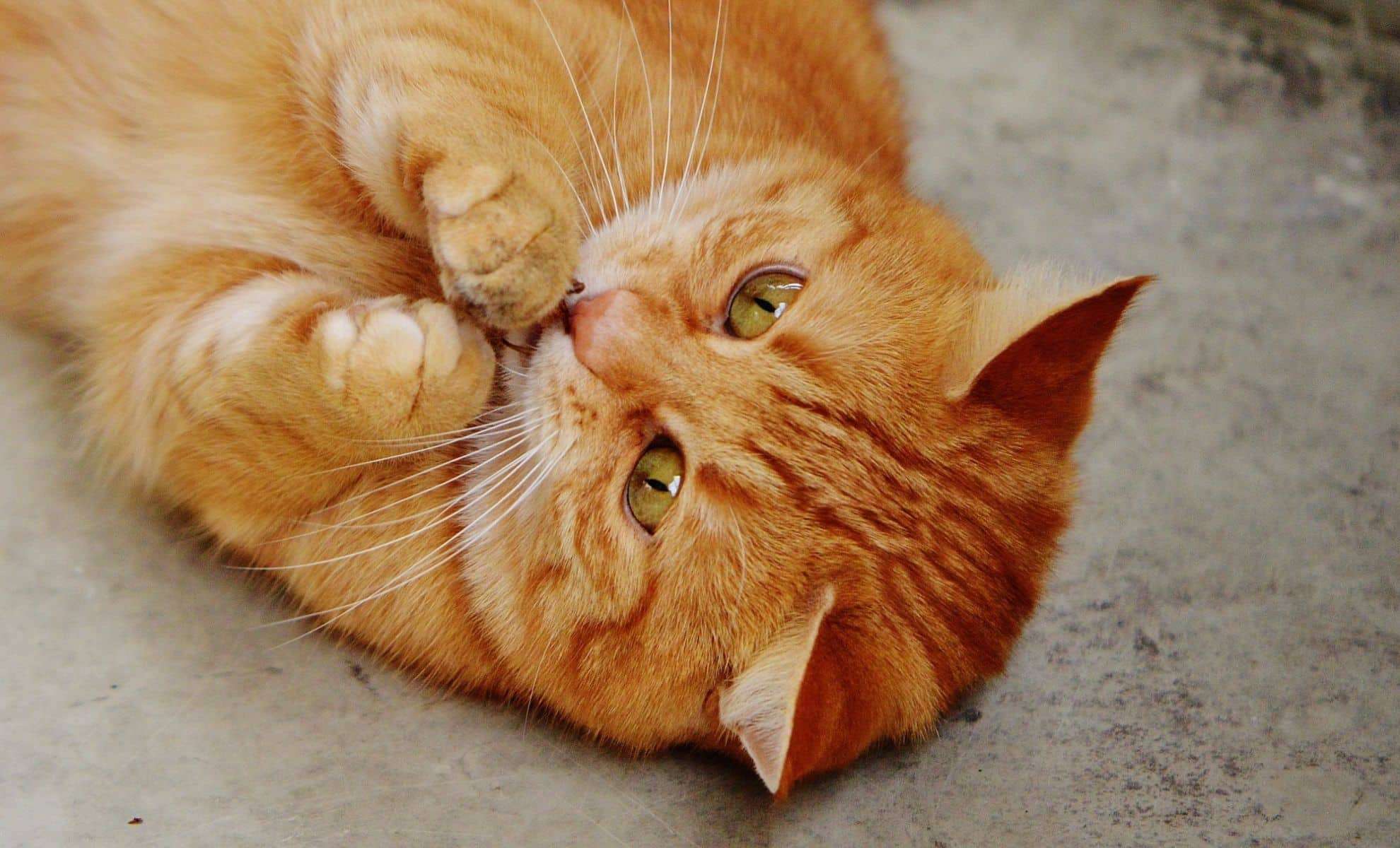
After decades of speculation, scientists have pinpointed the genetic cause behind the vivid orange coloring in cats. Two independent studies published on bioRxiv reveal a distinct deletion in DNA on the X chromosome responsible for transforming an ordinary feline into a striking orange one. This finding clarifies the genetic basis of fur color and why orange cats are predominantly males.
Hidden Genetic Switches Influence Color
The key is not a mutation in a conventional pigment gene. Instead, it involves a non-coding DNA segment—a region that doesn’t produce proteins but regulates gene activity.
Scientists discovered that orange cats carry a 5,000-base-pair deletion just upstream of the Arhgap36 gene. This deletion leads to increased activity of the gene, especially in melanocytes, the pigment cells responsible for coloring the skin and fur.

Cats with this deletion generate much higher levels of Arhgap36 RNA—up to 13 times more than their non-orange counterparts. This elevated gene expression shifts their coat color from dark black or brown hues to the characteristic fiery orange associated with marmalade cats.
The X Chromosome’s Role in Determining Coat Color
The gene for orange coloration resides on the X chromosome, explaining why the majority of orange cats tend to be males.
Males possess just one X chromosome. If that chromosome carries the orange allele, the cat’s fur will be entirely orange. Female cats have two X chromosomes and exhibit a phenomenon called X-inactivation, where one X chromosome is silenced randomly in each cell.
This leads to a mosaic of fur colors in females—resulting in tortoiseshell or calico patterns. Only females inheriting two copies of the orange allele will display a fully orange coat, which is an uncommon occurrence.
Genetics Behind Tortoiseshell and Calico Patterns
Calico and tortoiseshell cats are natural genetic mosaics with a complex interplay involving the orange gene and another pigment gene responsible for white spotting.
Tortoiseshell cats bear intermixed black and orange patches, while calicos exhibit larger blocks of color interrupted by white fur. The white spots arise from a gene influencing pigment cell migration and survival during development.
This means the appearance of orange hues depends on the interaction between multiple pigment-related genes.
Do Orange Cats Really Have Distinct Personalities?
The stereotype of orange cats being more affectionate yet less intelligent is popular online. However, scientific evidence does not support these behavioral claims.
The Arhgap36 gene plays roles during development but is active only in pigment cells, not brain cells. Consequently, orange fur coloring is unrelated to cognition or temperament.
Our perception is influenced by their eye-catching appearance, which may lead to assigning personality traits based solely on coat color.
Advancing Our Understanding of Non-Coding DNA in Cats
These findings not only solve a long-standing genetic puzzle but also represent a pivotal advancement in the study of non-coding DNA. Historically, research has concentrated on genes that produce proteins.
Now, it is clear that the genome’s "silent" regions can significantly impact physical traits. This breakthrough marks just the beginning of uncovering the genetic mysteries behind feline diversity.
- Categories:
- Science










0 comments
Sign in to Comment