
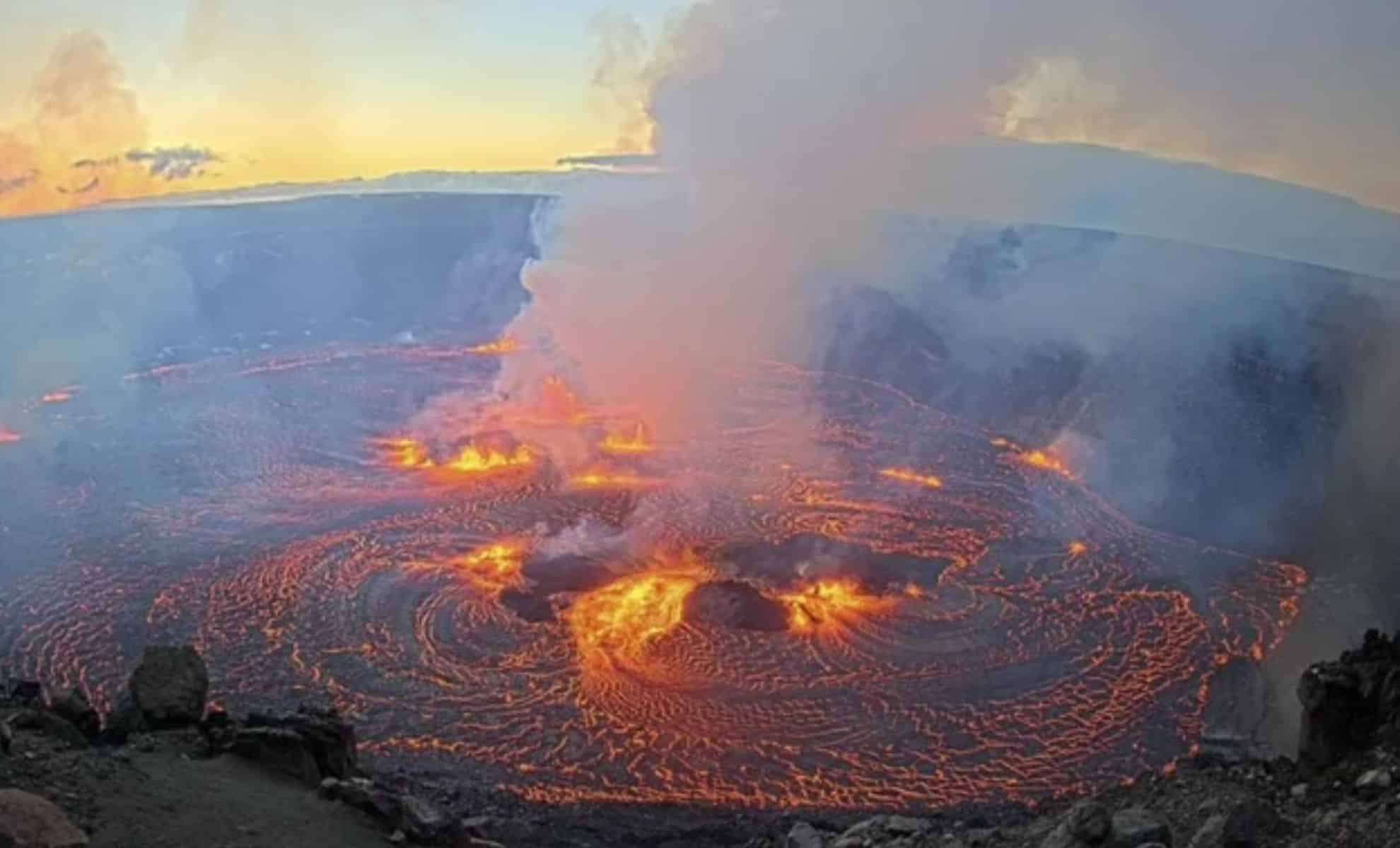
Kīlauea, renowned as one of the planet’s most active volcanoes, unleashed a breathtaking eruption on May 25, shooting incandescent lava plumes soaring up to 1,000 feet (300 meters) skyward. This spectacular event, broadcast live by the United States Geological Survey (USGS), represents the 23rd eruption occurrence at Kīlauea since December 2024 and stands out as the most powerful display so far.
Mighty Lava Jets Tower Over Halemaʻumaʻu Crater
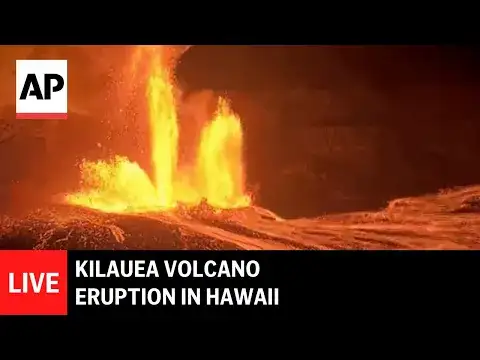
The volcanic activity kicked off at 4:15 p.m. local time within Halemaʻumaʻu crater, where slender streams of lava emerged from the northern vent. Initially intermittent, these bursts rapidly intensified into continuous lava fountains, reaching heights near 300 meters (around 1,000 feet). Concurrently, lava from a southern vent erupted in fountains climbing approximately 250 meters, creating an extraordinary spectacle inside Hawaiʻi Volcanoes National Park on Hawai‘i Island.
USGS reports indicated, “Significant lava flows poured from both vents, covering about half of the Halemaʻumaʻu crater floor.” This volcanic display continued for more than six hours before the fountains gradually diminished by 10:25 p.m. that night.

Volcanic Emissions Prompt Concerns About Air Quality
Although the eruption was confined to the national park’s limits, its impact reached well beyond the crater. The blast propelled an ash cloud rising at least 1,500 meters into the sky, dispersing volcanic gases and fine particulate matter.
USGS scientists cautioned that these gases could blow downwind and affect air quality, posing health risks such as respiratory irritation when concentrations become high.
Alongside the gaseous emissions, the eruption released thin threads of volcanic glass known as Pele’s hair, which the wind can carry over distances. These glass fibers may irritate the skin and eyes. Pele’s hair forms as molten lava cools midair and stretches into delicate strands.
Recent Activity Reflects Ongoing Weekly Eruption Pattern
This eruption is part of a series of frequent volcanic events, following a period of heightened restlessness in recent months. Just over a week prior, on May 16, Kīlauea exhibited a smaller lava fountain during what USGS described as “Episode 22 of the current summit eruption.” That earlier episode was briefer and less intense, highlighting the dramatic escalation seen in the May 25 eruption.
Despite the surge in activity, volcanologists have not identified any signs indicating a major eruption is imminent. Presently, Kīlauea continues to produce episodic eruptions roughly every week, maintaining vigilance among scientists and local residents while showcasing the island’s ever-changing volcanic landscape.
- Categories:
- News





0 comments
Sign in to Comment