
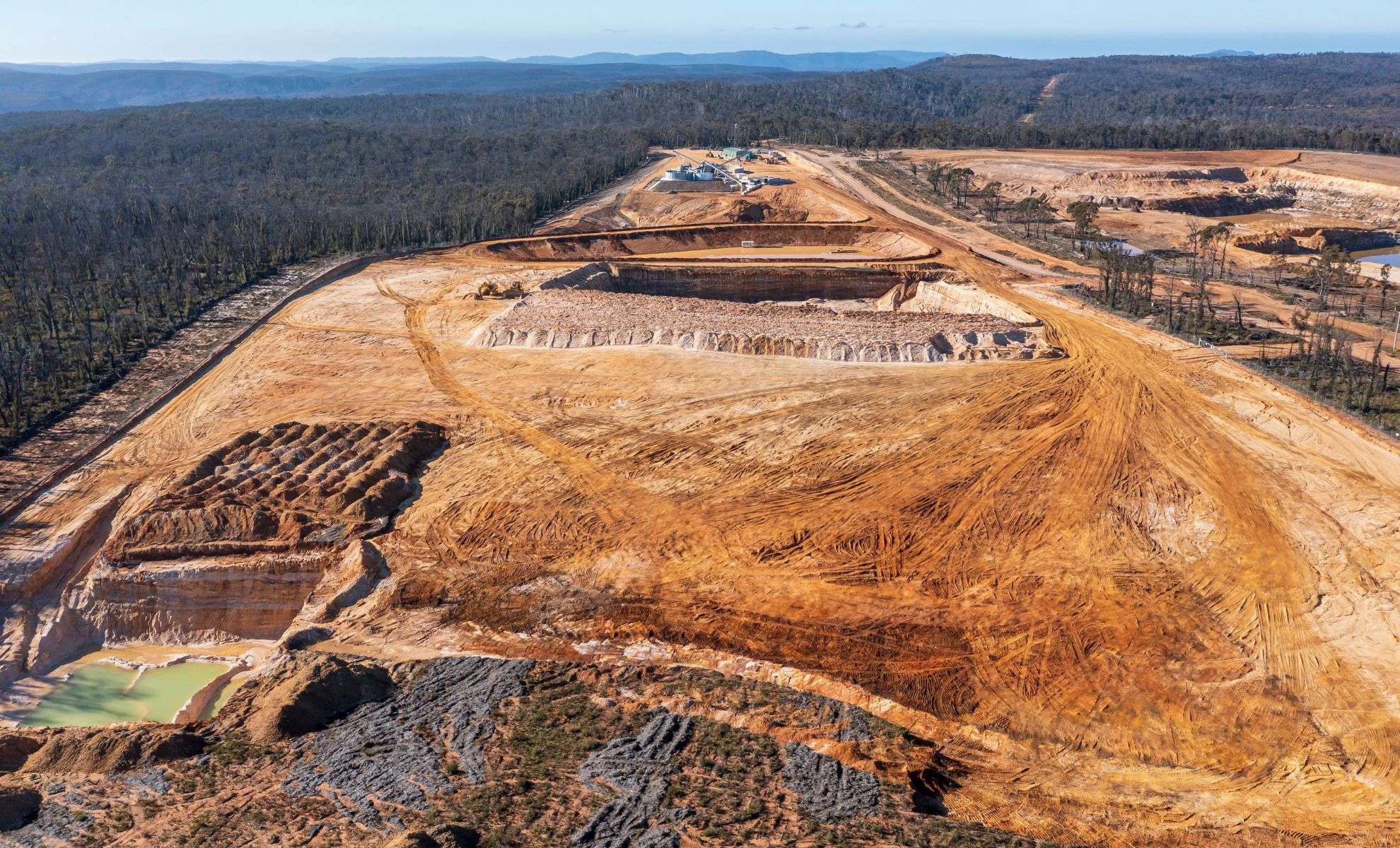
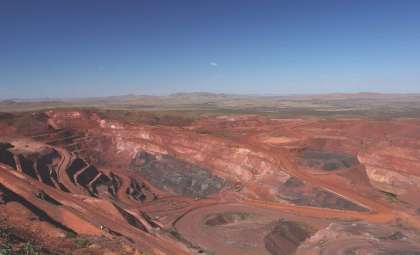
Deep within Western Australia, researchers have identified an extraordinary mineral reserve—a find that not only reshapes the global iron production landscape but also challenges established views on Earth’s geological evolution. The Hamersley area, already famed for its mineral wealth, now boasts what experts believe to be the world’s largest iron ore deposit, estimated to contain approximately 55 billion metric tons of ore with iron concentrations surpassing 60 percent.
Valued near $6 trillion, this discovery signifies a pivotal development for the global mining sector. Dr Liam Courtney-Davis, a leading geologist at Curtin University and key contributor to the published research in the Proceedings of the National Academy of Sciences, suggests this may prompt revisions to our knowledge of mineral origin and extensive geological phenomena.
The magnitude and purity of this iron reserve could influence global iron pricing and recalibrate trade dynamics, especially between Australia and its primary customers such as China.

A Monumental Resource in Pilbara’s Core
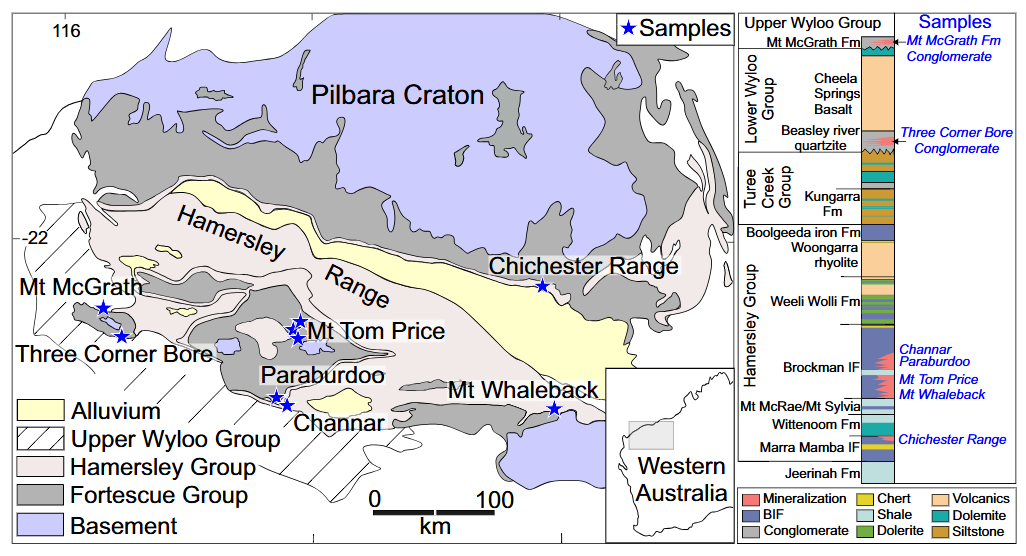
Located within the expansive Pilbara region, a notably arid part of Western Australia renowned for its mineral riches, this iron ore reserve adds an unprecedented dimension to the area’s legacy. Although mining operations have tapped into Hamersley’s iron ore for decades, recent technological breakthroughs and refined examination methods have unveiled this significant deposit, revealing iron accumulations far exceeding prior assessments.
The investigative team’s traditional dating methods initially dated these formations at roughly 2.2 billion years. However, advanced isotopic techniques, such as uranium and lead isotope analyses, have re-dated them closer to 1.4 billion years. This update carries important ramifications for understanding the region's geological narrative, notably concerning the influence of ancient supercontinent cycles on mineral deposition.
Associate Professor Martin Danisík, a geochronologist on the project, remarked, “Establishing a connection between these vast iron ore deposits and supercontinent cycle shifts deepens our insight into early geological mechanisms.” The evidence points to the fact that Earth’s crustal movements millions of years ago played a crucial role in generating these vast mineral reserves.
Next-Generation Methods Uncover Hidden Riches
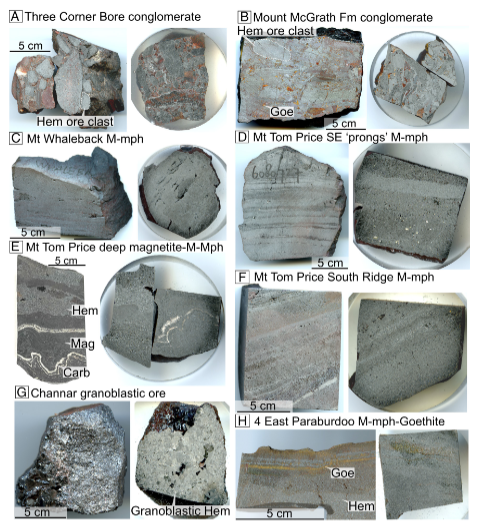
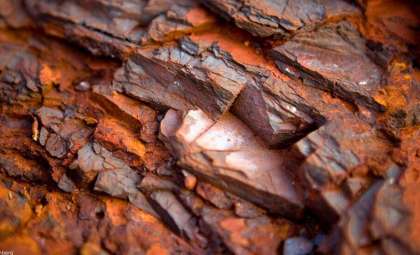
State-of-the-art approaches proved instrumental in unearthing this deposit. Researchers utilized advanced isotopic dating alongside sophisticated chemical profiling which allowed identification not just of the deposit’s scale, but its remarkably high-grade quality. Where earlier figures suggested iron contents around 30 percent, new findings indicate concentrations above 60 percent, placing this among the richest known.
These analyses also shed light on the intricate transformations the ore has undergone over billions of years, offering deeper understanding of mineral formation processes. Dr. Courtney-Davis highlighted that these technological strides have practical implications: “They open the door to more sustainable and efficient mining solutions,” emphasizing opportunities to reduce environmental impact while improving extraction practices.
Transforming the International Mining Scene
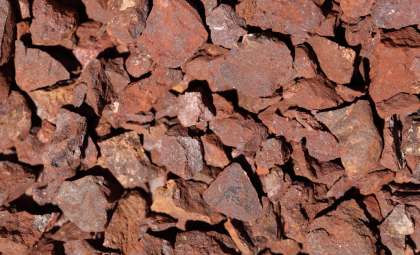
While Australia already commands a strong role within the global iron market, this finding solidifies its leadership. The vastness of the iron reserve is expected to influence iron ore pricing worldwide and potentially reshape both economic ties and strategic partnerships among nations dependent on iron imports.
Beyond financial aspects, this discovery challenges foundational theories regarding Earth’s geological evolution. Continuing exploration in this area is anticipated to reveal new facets of the forces molding our planet’s surface and its mineral treasures.
As this breakthrough expands the frontier of knowledge on mineral genesis, it encourages further investigations that may uncover additional extensive deposits hidden within similar geological frameworks across the globe.
- Categories:
- News






0 comments
Sign in to Comment