
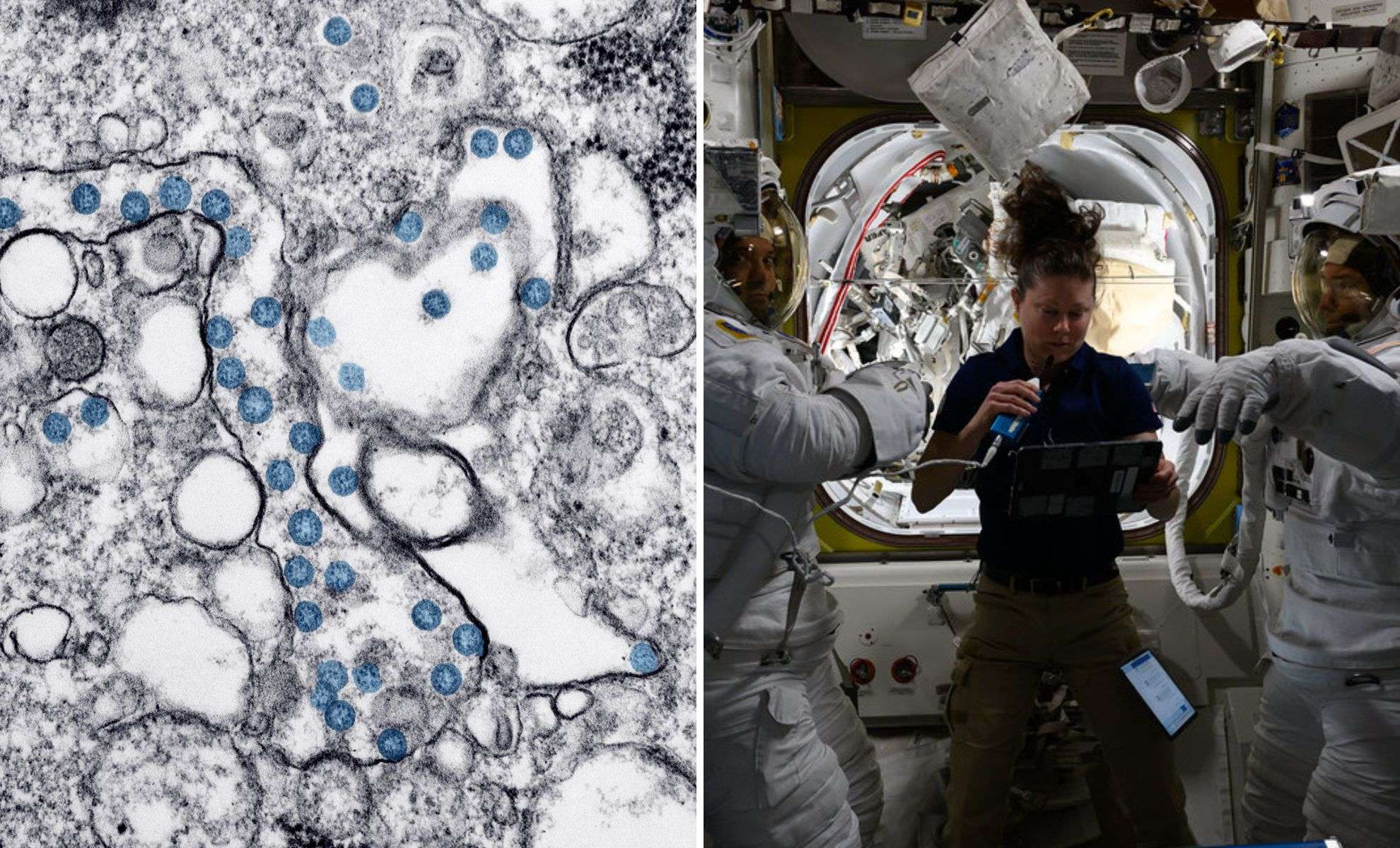
As human exploration ventures deeper into space, missions targeting the Moon, Mars, and further destinations introduce unprecedented health challenges for astronauts. Exposure to microgravity, cosmic radiation, and prolonged isolation can significantly impair immune function. Crewmembers aboard the International Space Station (ISS) have already experienced persistent issues such as skin irritations, cold sores, and unusual allergic reactions, highlighting concerns about sustaining well-being during even longer journeys.
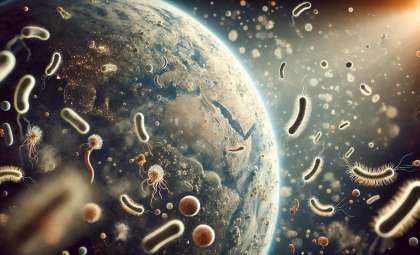
Recent research indicates that the solution to preserving astronaut health may be found in a surprising source: beneficial microbes originating from Earth. Scientists propose that incorporating helpful microorganisms from natural environments like soil and water into spacecraft habitats could bolster immunity, thereby reducing health complications on lengthy missions. This novel perspective challenges the conventional mindset that space habitats must remain completely sterile, potentially transforming the design of future living spaces beyond Earth.
Innovative Insights Into the Microbial Landscape of Space Habitats
The detailed study, published in Cell on February 27, 2024, was led by UC San Diego’s Professor Rob Knight. The team examined 803 surface specimens from the U.S. section of the ISS, aiming to compare microbial ecosystems in orbit with those found on our planet.

The results were revealing. The ISS environment, intentionally kept sterile and meticulously controlled, displayed a drastic reduction in microbial variety, resembling heavily sanitized settings on Earth such as hospitals and urban homes with strict cleanliness protocols. The presence of cleaning agents and disinfectant residues was notably high, emphasizing efforts to limit microbial presence. However, such stringent sterilization practices might not support astronaut health optimally for extended durations.
Promoting Beneficial Microbes to Enhance Astronaut Wellness
While controlling harmful bacteria remains essential, completely eradicating advantageous microbes could be counterproductive. According to Rob Knight, speaking to Space.com, humans have coevolved with environmental microbes for millions of years, and these microorganisms play crucial roles in maintaining health. “Sterile environments are not necessarily the safest ones,” Knight remarked. “Interaction with beneficial microbes is vital because humans have shared evolutionary paths with these organisms.”
The study advocates for the strategic introduction of microbial communities from Earth’s soil and aquatic habitats into spacecraft, leveraging their immune-supporting qualities. These symbiotic microbes could help astronauts better combat infections and counteract the immune suppression caused by spaceflight conditions.
Potential Hazards and Considerations of Microbial Introduction in Space
Nevertheless, inserting microbes into space conditions entails certain risks. Microorganisms can exhibit altered behavior under cosmic radiation and microgravity, with some strains that are harmless on Earth possibly evolving increased virulence or other problematic traits while in orbit.
Researchers stress the importance of thorough Earth-based evaluations prior to space deployment. “These critical variables must be examined through ground experiments before embarking on expensive space trials,” emphasized Knight. Detailed studies are necessary to ensure microbes adapt favorably to the harsh space environment and do not pose health hazards.
Future approaches must also strike a balance between maintaining hygiene and promoting health. Although beneficial microbes can enhance immunity, vigilant monitoring is vital to avoid unintended negative impacts.
Transforming Astronaut Healthcare and Habitat Design for Long-Term Missions
Should continued research validate the advantages of fostering microbial diversity in orbit, it could revolutionize the medical protocols and ecological designs of space habitats. Planned missions may integrate carefully managed microbial ecosystems to reinforce astronaut health over prolonged periods. “Our hope is that this work will inspire development of methods to protect crew well-being during extended voyages and extraterrestrial settlement,” said Knight.
As NASA and international partners prepare for deep-space exploration lasting years, safeguarding astronaut health stands as a paramount challenge. Microbes, once viewed purely as contaminants, might soon be recognized as indispensable allies in sustaining human life beyond Earth. Leveraging microbial partnerships from our home planet could be key to adapting life-fluidity in unfamiliar, extreme environments, bringing us closer to permanent colonies on the Moon, Mars, and other worlds.
- Categories:
- News






0 comments
Sign in to Comment