
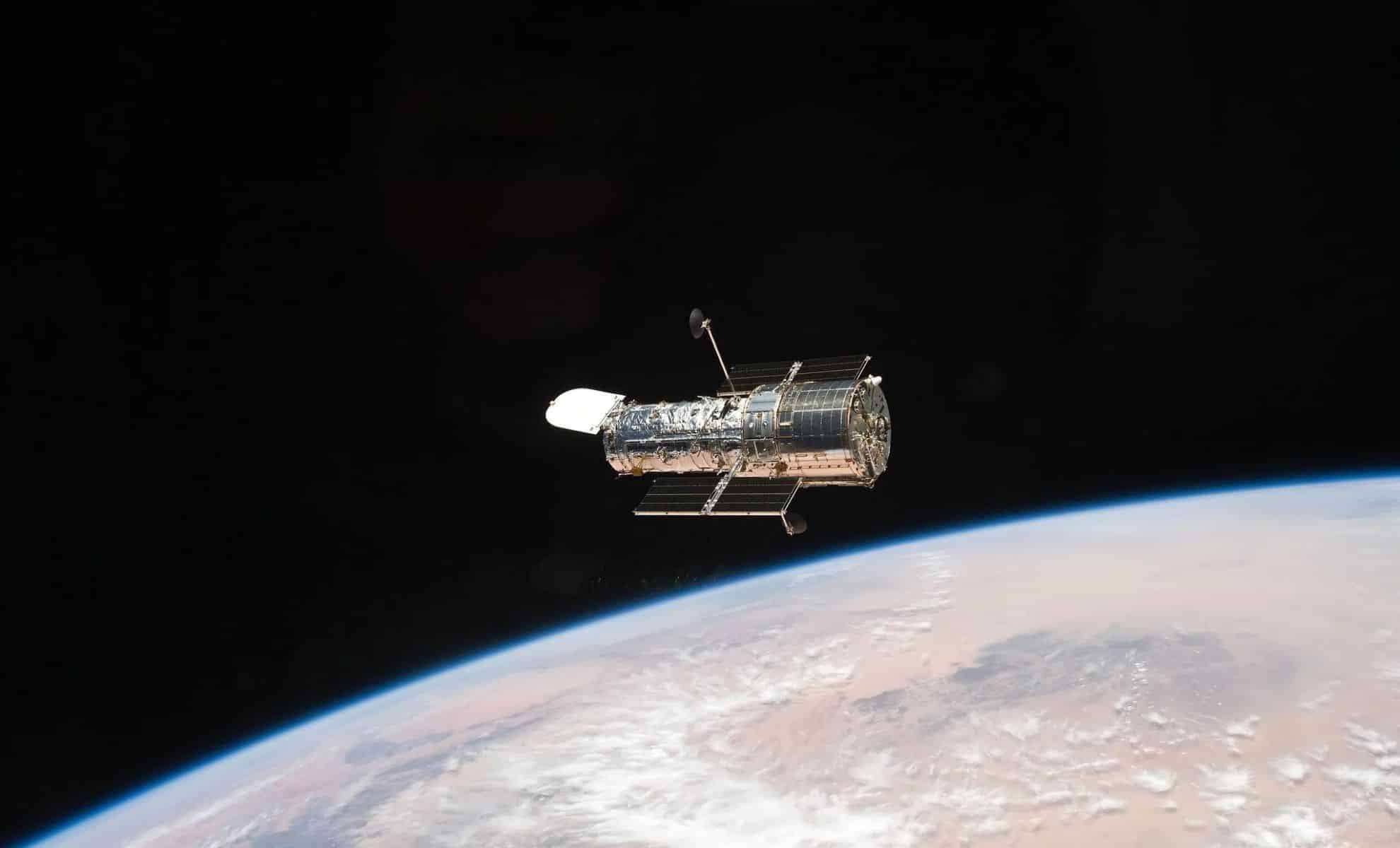
NASA is hosting a media teleconference at 4 p.m. EDT on Tuesday, June 4, to share developments concerning the Hubble Space Telescope’s operational status.
This announcement follows reports of a possible fault in one of Hubble’s gyroscopes, which are vital for maintaining the telescope’s precise orientation. The event will include remarks from Mark Clampin, director of NASA’s Astrophysics Division, and Patrick Crouse, the project manager overseeing Hubble at NASA’s Goddard Space Flight Center.
Current Condition of the Hubble Space Telescope
On May 31, 2024, the Hubble Space Telescope automatically shifted into safe mode due to anomalous telemetry from one of its three active gyroscopes. These instruments are crucial for the telescope’s ability to maintain accurate pointing toward its observation targets.

Safe mode acts as a protective measure, pausing scientific activity and stabilizing Hubble as engineers on the ground assess the issue. This precaution helps prevent damage to onboard instruments and facilitates a timely return to normal operations. The incident has prompted NASA to reevaluate Hubble’s current condition and develop strategies to resolve the malfunction, aiming to sustain the observatory’s important scientific contributions.
Background and Technical Insights
Since its launch in 1990, Hubble has been a vital tool for astronomers, delivering detailed views of our universe that have reshaped our cosmic knowledge. Its most recent servicing took place in 2009, when astronauts aboard the Space Shuttle Atlantis replaced six gyroscopes among other upgrades.
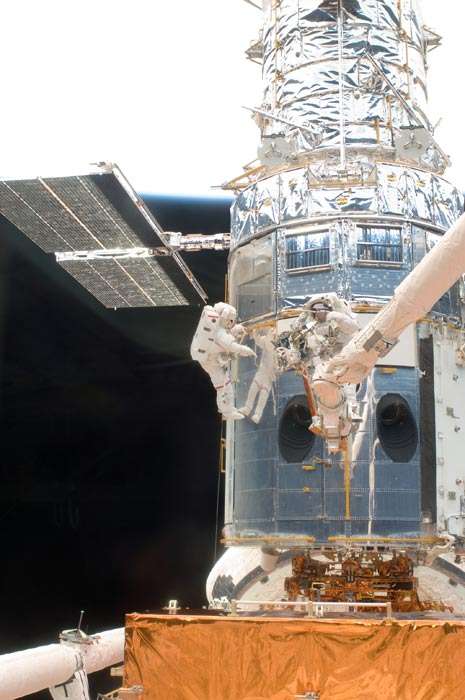
These gyroscopes are essential for Hubble’s precise orientation control, allowing it to lock onto celestial objects with great accuracy. Over time, three gyroscopes have failed, bringing the number down to the minimum needed for full operation. Each gyroscope senses subtle movements and compensates accordingly, ensuring the telescope remains stable to capture sharp astronomical images.
Consequences of the Gyroscope Issue
Should Hubble lose functionality in more than one gyroscope, it will be forced into safe mode, hindering its scientific work. Operating with just one or two gyros would substantially reduce its observational capabilities, leading to fewer and lower quality data outputs.
There remains a possibility that the affected gyroscope can be restored using software or alternative remedies. If it cannot be revived, NASA will modify its operational plans to extend Hubble’s mission longevity. Although this limitation may slow new scientific insights, NASA is dedicated to maximizing the telescope’s use despite such obstacles. This challenge also highlights the necessity of strong contingency approaches to secure ongoing space science.
Hubble’s Impact on Astronomy
The Hubble Space Telescope has transformed our grasp of the cosmos by delivering remarkable images and critical data that have fueled major scientific advances. Its work has been pivotal in refining measurements of cosmic expansion, probing exoplanet atmospheres, and capturing vivid views of distant galaxies and nebulae. Potential operational constraints could impede future discoveries and limit exploration opportunities.
Preserving Hubble’s capabilities remains crucial for ongoing research, and NASA’s prompt responses to the gyroscope challenges underscore the agency’s commitment to this invaluable observatory. Both the scientific community and the public remain keenly invested in Hubble’s future success, recognizing its unique role in advancing astronomical knowledge.
Outlook and Collaborative Initiatives
NASA aims to keep Hubble active well into the coming decade, partnering closely with observatories such as the James Webb Space Telescope. The combined strengths of Hubble’s visible and ultraviolet imaging with Webb’s infrared tools are expected to unlock deeper insights into phenomena like star and galaxy formation and black hole dynamics.
In spite of recent technical setbacks, Hubble’s scientific contributions retain immense value. Efforts to extend its operational life involve exploring novel solutions and potential partnerships among international and private players to bolster the telescope’s longevity and research impact.
Commercial Sector Engagement
Proposals for private sector servicing missions, notably led by Jared Isaacman, envision astronauts performing repairs and upgrades via spacewalks. However, these missions pose considerable risks, especially since the SpaceX Crew Dragon capsule intended for such operations lacks features like a robotic arm and an airlock, unlike the Space Shuttle.
These commercial initiatives highlight the evolving role of private companies in space exploration, opening paths for innovative methods to maintain and enhance orbital scientific assets. Collaboration between NASA and private industry may offer new ways to tackle complex mission challenges.











0 comments
Sign in to Comment