

Dementia is often linked exclusively to older populations, but increasing research reveals it also significantly affects younger adults. Young-onset dementia (YOD), diagnosed in individuals under 65, impacts thousands yearly, disrupting key phases of life like career development and family responsibilities. For many, an early dementia diagnosis dramatically changes personal ambition and professional plans.
A landmark study featured in JAMA Neurology now unveils 15 essential risk and protective factors across lifestyle, health, and environmental domains associated with YOD. These insights underscore the complex influences on brain health and point toward actionable prevention strategies. As dementia continues to grow as a global health challenge, this research fosters hope for interventions that can help preserve cognition and delay or prevent early dementia onset.
Examining Multiple Influences on Dementia
Conducted by researchers from University of Exeter and Maastricht University, this is the most extensive investigation yet into non-genetic contributors to early dementia. Whereas prior studies focused chiefly on hereditary elements, this research prioritizes modifiable lifestyle and health factors amenable to intervention by individuals and healthcare policymakers.

Epidemiologist David Llewellyn from Exeter emphasized, “This represents the largest and most comprehensive study of its type. Importantly, it demonstrates for the first time that we might reduce the risk of this debilitating disease by addressing multiple contributing factors.”
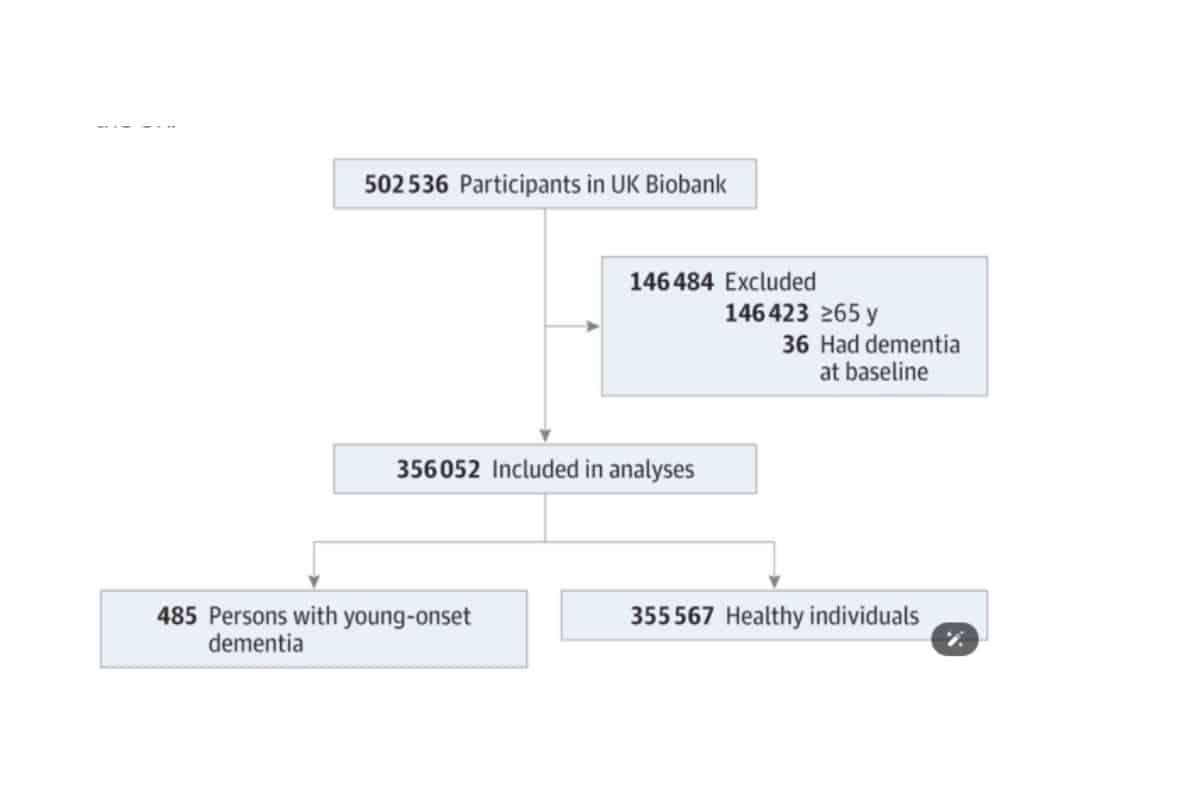
The analysis utilized data from 356,052 UK participants under 65, identifying numerous factors linked to increased dementia risk.
Key Risk Contributors to Young-Onset Dementia
The study revealed a variety of physical, psychological, and social factors that elevate YOD risk. Prominent among them were:
- Lower socioeconomic background
- Social disconnection
- Hearing loss
- Stroke history
- Diabetes
- Cardiovascular disease
- Depressive symptoms
- Vitamin D insufficiency
- High levels of C-reactive protein, an indicator of inflammation
- Carrying two copies of the ApoE4 ε4 gene variant, linked to Alzheimer’s disease
The role of alcohol emerged as complicated: while excessive alcohol use increased YOD risk, moderate to heavier drinking appeared connected to lower risk. Researchers suggest healthier individuals might typically be moderate drinkers, whereas some abstainers avoid alcohol for health reasons.
Factors That May Offer Protection
Protective elements identified include higher educational attainment and reduced physical frailty, assessed through measures such as handgrip strength. These findings emphasize how maintaining both physical and cognitive health may lower dementia vulnerability.
Mental well-being was also a critical factor. Neuroepidemiologist Sebastian Köhler from Maastricht University highlighted the impact of chronic stress, feelings of loneliness, and depression on YOD risk. Tackling these issues could not only improve mental health but also help prevent dementia.
Implications for Healthcare Leadership
Although the research does not establish direct causality, it offers a comprehensive view of how diverse factors interact to influence dementia risk. The study stresses the value of early lifestyle interventions to reduce this risk.
Neuroscientist Stevie Hendriks noted, “Understanding these contributors can guide the creation of improved treatment and prevention programs. The impact of young-onset dementia is profound because affected individuals often maintain active careers and family lives.”
The findings advocate for public health initiatives focused on expanding educational opportunities, enhancing chronic disease management, and promoting social engagement as means to lower dementia incidence.
Advancing Dementia Prevention Strategies
While genetic factors play a role for some, this study further supports that proactive behavioral and health measures can influence early dementia risk. Raising awareness of key risk factors and providing support to address them is essential.
Individuals are encouraged to prioritize mental and physical health, maintain social connections, and seek treatment for conditions like diabetes or depression. For policymakers and healthcare providers, the research outlines a clear pathway for developing targeted prevention programs and more effective resource allocation.
- Categories:
- News













0 comments
Sign in to Comment