
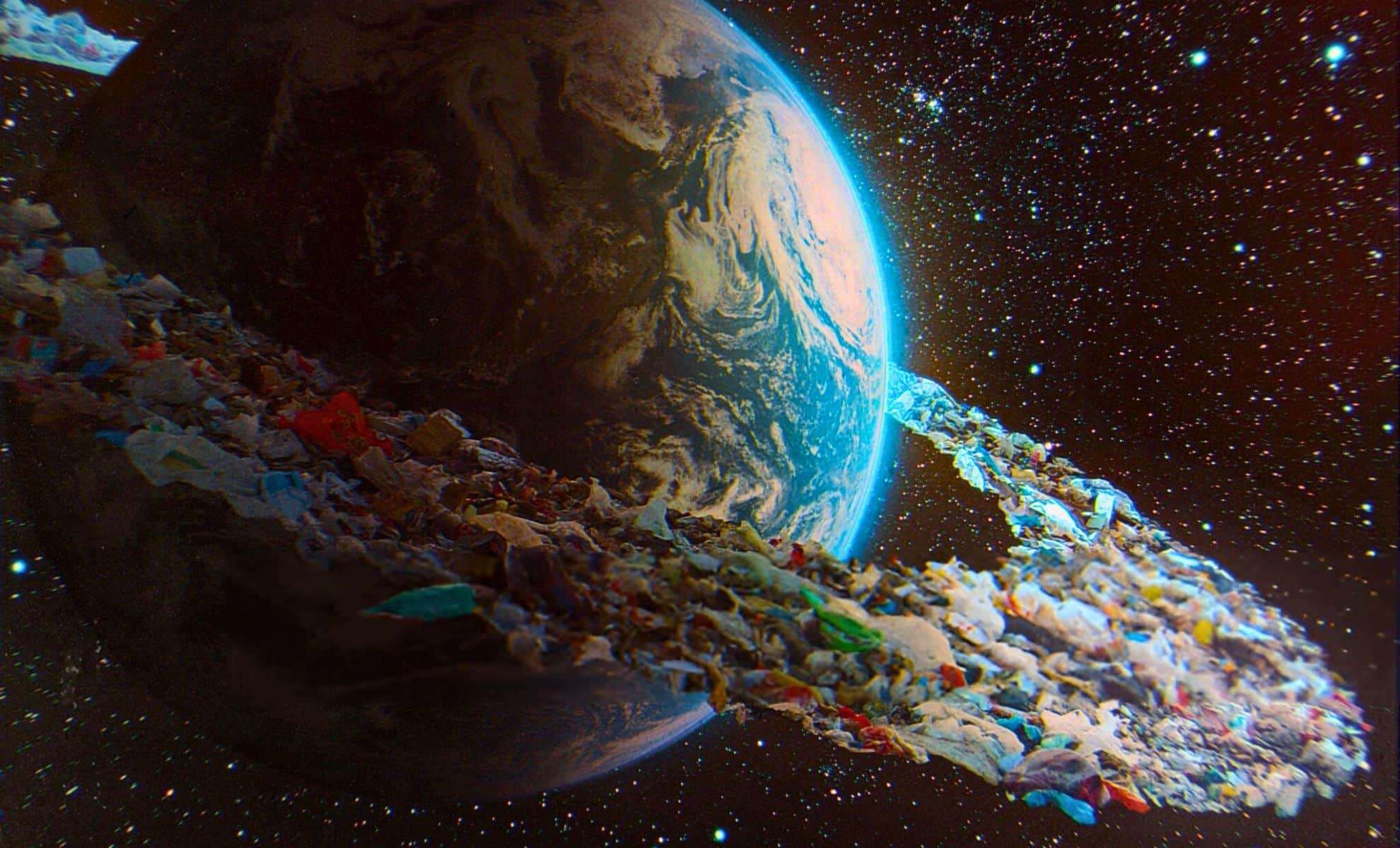
Every year, our planet produces over two billion tons of waste, with only a small percentage undergoing recycling. To tackle shrinking landfill space and growing environmental concerns, some have suggested an ambitious idea: sending refuse beyond Earth’s atmosphere. Despite its appeal, this notion faces overwhelming hurdles, from prohibitive expenses to environmental and safety issues.
The Enormous Expense of Space Waste Disposal
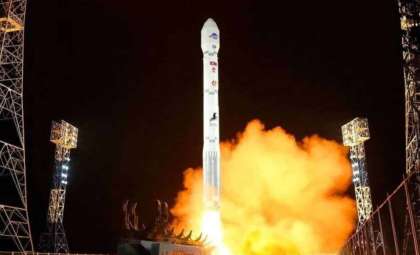
One of the biggest obstacles is the hefty price tag associated with space launches. Even with the progress of reusable launch vehicles like SpaceX’s Falcon 9, dispatching debris into low-Earth orbit runs about $1,200 per kilogram.
John L. Crassidis, a mechanical and aerospace engineering expert at the State University of New York at Buffalo, considers the concept financially unviable. He emphasizes that propelling garbage into orbit demands significant thrust and fuel, drastically inflating the costs.

Beyond just the launch expenses, the systems needed to gather and transport vast quantities of rubbish to rocket facilities would create substantial logistical and monetary burdens. Such a massive operational scale currently lacks any sustainable financial support.
Environmental Impact from Rocket Emissions
Rocket propulsion is far from environmentally benign. Each takeoff releases substantial amounts of carbon dioxide and aluminum oxides, harming the ozone layer and accelerating climate change. For instance, a 2016 Falcon 9 flight emitted 116 tons of CO2 in just the initial 165 seconds post-launch.
Christopher Maloney, a researcher at NOAA’s Chemical Sciences Laboratory, notes that the environmental effects of rocket launches had historically been overlooked due to their limited number. However, with expected launch rates growing tenfold in the upcoming decades, the ecological footprint could rise dramatically, making space-bound trash disposal even less tenable.
Risks Posed by Orbital Debris and Collisions
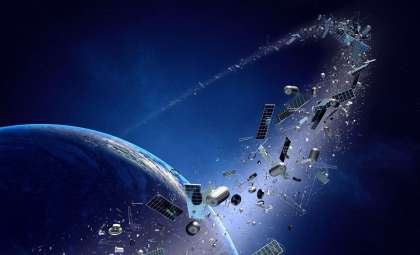
Adding garbage to orbit greatly exacerbates the pressing issue of space debris. With low-Earth orbit already crowded by satellites and fragments, vast amounts of waste would elevate the chances of dangerous collisions. Crassidis warns waste must be positioned beyond Earth’s stronghold—at least 22,000 miles out—to prevent hazardous debris formation.
Even if the debris reaches orbit safely, the threat of the Kessler syndrome remains a serious concern. Proposed by NASA scientist Donald Kessler, this scenario predicts a domino effect where debris collisions generate exponentially more fragments, rendering Earth’s orbit unusable. Additionally, there’s a significant risk that improperly launched materials could re-enter Earth’s atmosphere, with experts estimating a 10% likelihood of rocket debris causing casualties within the next 10 years.
Why Other Planets Aren’t Practical Dumping Grounds
Alternatives like depositing waste on the Moon, Mars, or even into the Sun have been suggested, but each presents grave drawbacks:
The Moon
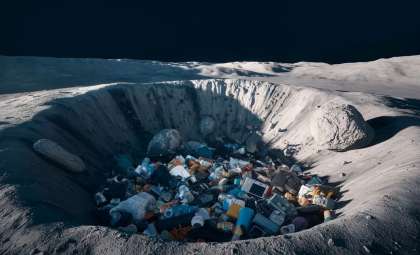
Though it’s lifeless and houses no delicate ecosystems, turning the Moon into a trash site could interfere with scientific research and future human settlements. Crassidis bluntly asks, “Do we really want to clutter the Moon with our rubbish?”
Mars
As a potential target for human colonization, Mars requires protection from pollution to preserve its habitability and scientific value. "Our hope is to colonize Mars," says Crassidis, "so we must avoid contaminating it with waste."
The Sun
Shooting debris towards the Sun might seem like an ideal solution, but it’s both economically and technically prohibitive. According to Crassidis, "The energy demands and costs make it unfeasible. You can only transport limited amounts at a time, and sending payloads sunward is more challenging than to other destinations."
Earth-Centered Strategies for Waste Management
Although the concept of space disposal excites the imagination, it remains impractical with current technology. The solution to the mounting waste crisis lies closer to home, through:
- Improved recycling efforts and minimizing waste production.
- Development of advanced waste processing technologies to reduce landfill reliance.
- International collaboration to implement effective global waste management frameworks.
Space may open thrilling possibilities for the future, but resolving the planet’s waste dilemma requires responsible and innovative management within Earth’s boundaries. As Crassidis and peers emphasize, sustainable waste handling at home is the key, not escaping the problem by launching our garbage into orbit.






0 comments
Sign in to Comment