
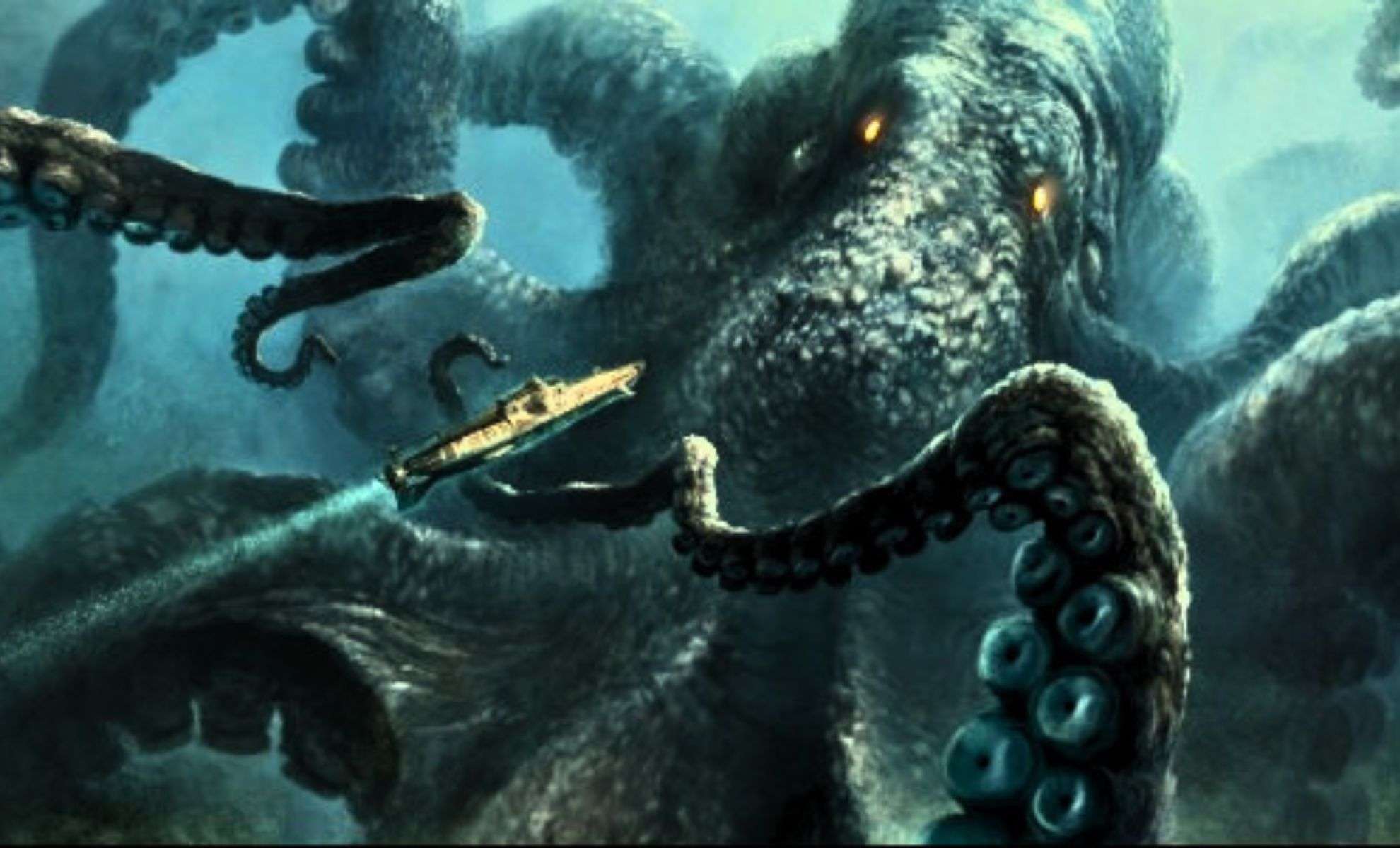
For hundreds of years, sailors spoke of a colossal sea monster, the Kraken, reputed to emerge from ocean depths and drag ships into darkness. While once dismissed as pure legend, recent scientific studies reveal this creature has a real-life counterpart: the elusive giant squid (Architeuthis dux). Only in the last 20 years have researchers begun to unravel the biology and mysteries of this deep-sea titan.
Mythical Origins to Marine Reality
The Kraken first appears in 13th-century Norse mythology, depicted as a vast, tentacled beast haunting the waters near Greenland and Norway. It wasn’t until 1857 that Danish scientist Japetus Steenstrup identified Architeuthis dux, a genuine creature closely matching the legendary descriptions.
Nonetheless, the giant squid remained a ghost of the deep for over a century. Breakthroughs arrived in 2004 when Japanese scientists captured the earliest photographs of a living specimen near Japan’s Ogasawara Islands. A retrieved 5.5-meter tentacle was genetically analyzed, confirming a 99.7% DNA match with Architeuthis dux.

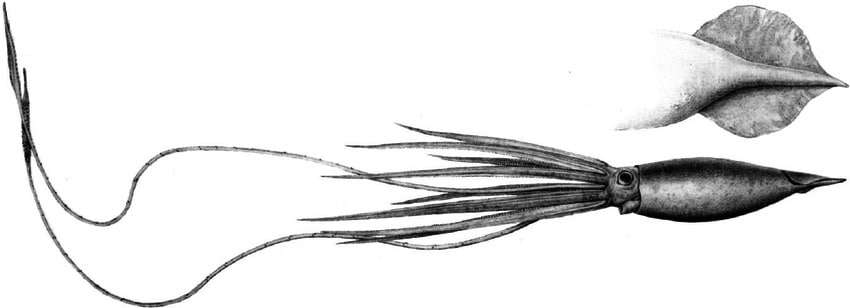
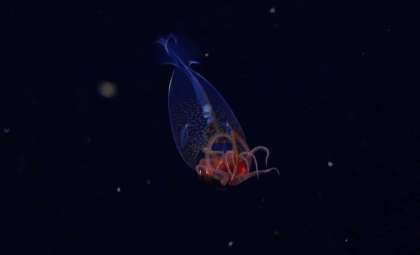
The initial video evidence came in 2012, revealing a bioluminescent, golden-hued squid gracefully navigating the ocean abyss. This footage conclusively confirmed the real existence of the Kraken. Researchers then asked: what drives these animals to attain such enormous sizes in the deep sea? The explanations lie in the unique conditions of their habitat.
Deep Ocean Giants: Evolution in Isolation
A seminal 2006 article in Proceedings of the Royal Society B, The island rule and the evolution of body size in the deep sea, proposed that the abyss acts like an evolutionary island. Similar to how isolated island environments produce giant or dwarf species, deep-sea life adapts under the influence of extreme pressure, darkness, and limited resources.
Professor Craig R. McClain, lead author, explains, “The deep ocean is evolution’s ultimate isolated zone, where energy constraints and environmental conditions reshape size norms.” His research attributes the squid's gigantic proportions to cold temperatures, slow metabolic rates, and the ecosystem’s scarce food supply.
Larger body mass improves energy efficiency, oxygen retention, and durability against environmental stress — all vital in such a forbidding habitat. This trend explains why giant amphipods and the enormous Architeuthis dux thrive where most other organisms would perish.
Understanding Gigantism Through Biology
A 2016 study featured in PLOS One, titled Gigantism and its implications for the history of life, delved deeper into the adaptive advantages of large size. The study showed that increased size boosts thermal regulation, lowers metabolic demands, and can increase an organism’s longevity.
This research draws on Kleiber’s law, which illustrates that as animals grow bigger, their metabolism scales more slowly relative to mass. Simply put, larger creatures consume energy more efficiently — a key survival tactic in the nutrient-poor, cold abyssal zones.
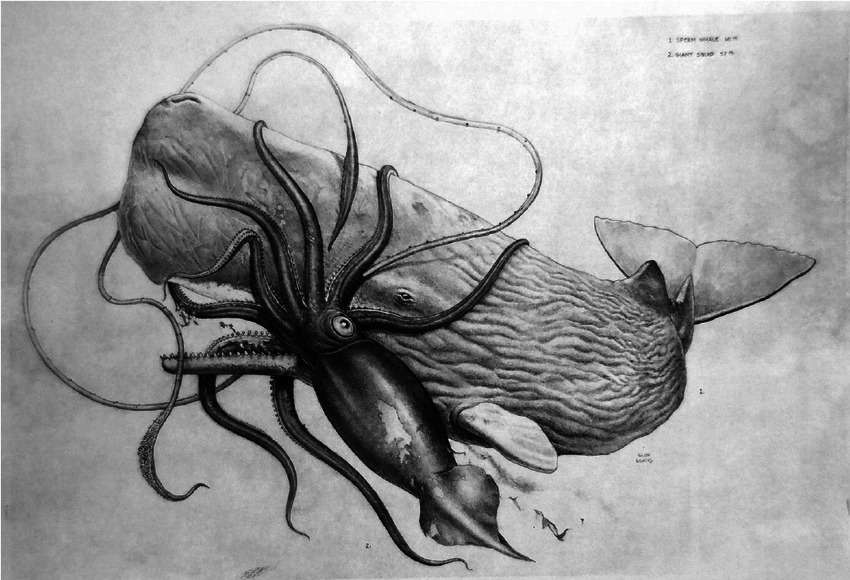
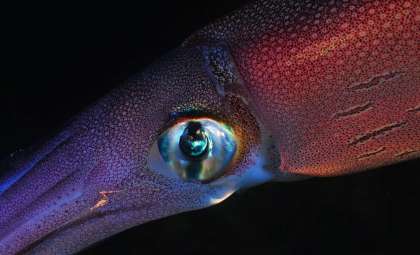
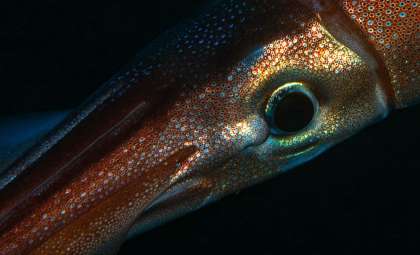
The giant squid adopts these strategies robustly. At lengths exceeding 13 meters, its enormous eyes — the largest known in the animal kingdom — are specialized to detect the faintest light, essential for spotting prey and evading predators like the sperm whale. The real-life battles between these species are echoed in both literature and science, confirmed by squid beaks found in whale stomachs and suction scars on whales’ skin.
Expanding Knowledge Amidst Ocean Mysteries
A comprehensive 2015 survey of giant squid sightings documented several strandings and observations from Newfoundland down to the Gulf of Mexico. The recorded sizes, mostly ranging between 10 to 13 meters, suggest a broad habitat range and a more stable population than previously thought.
Despite these insights, fundamental questions remain unresolved. The giant squid's reproductive methods, migratory routes, and lifespan are still largely enigmatic. The vast majority of the ocean floor — over 80% — remains uncharted, as noted by the NOAA. Even with cutting-edge sonar and submersibles, the deep sea holds more secrets than the lunar surface.
Each new exploration uncovers astonishing lifeforms: glowing predators, transparent species, and creatures that defy conventional evolutionary logic. Yet none captivate our curiosity like Architeuthis dux, the living legend revealing the ocean’s enduring mysteries.
The Intersection of Legend and Science
When early mariners spoke of “tentacles the size of ship masts,” their descriptions may have been closer to truth than we realized. They glimpsed genuine giants inhabiting the abyss — beings science is only now beginning to comprehend fully. The Kraken’s tale transcends myth, intertwining with documented biology, genetic verification, and firsthand observation.
As Professor McClain eloquently states, “The boundary between folklore and biology is blurrier than often assumed. Sometimes, ancient stories represent early data waiting for science to decode.”






0 comments
Sign in to Comment