
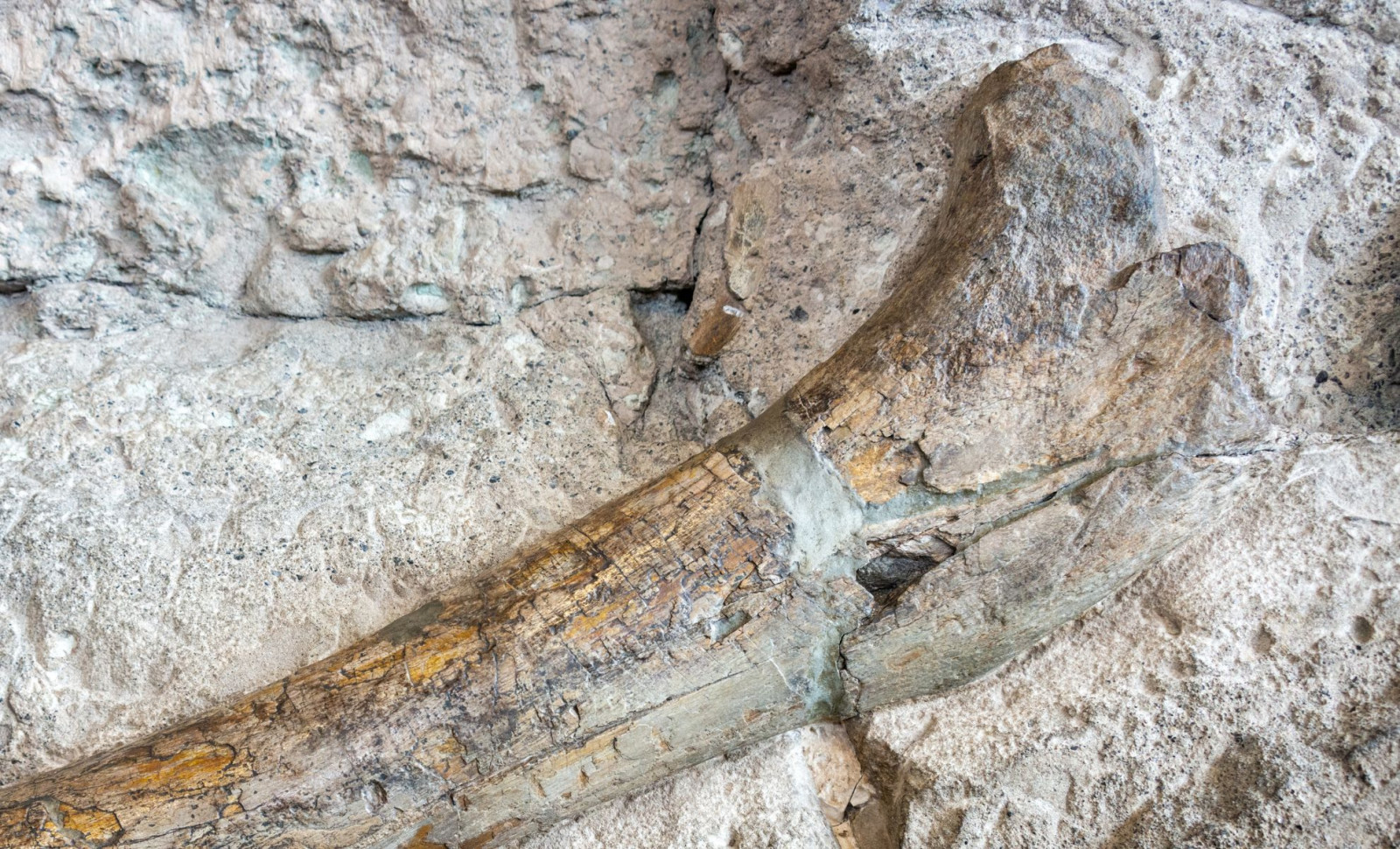
Researchers have identified a previously unknown species of long-necked dinosaur from just one fossil found in northeastern Thailand. This massive herbivore, named Uragasaurus kalasinensis, marks the first mamenchisaurid officially recognized in Thailand, expanding our understanding of their distribution across Asia.
Dating from approximately 150 to 145 million years ago in the late Jurassic period, the finding—reported in Scientific Reports—adds mainland Southeast Asia to the map of where this dinosaur family roamed, a group previously thought to be largely confined to China.
Mamenchisaurids are well-known for their remarkably extended necks. Although their fossils have been extensively found in China, discoveries in other regions remain scarce, highlighting the significance of even partial remains in building their evolutionary story.

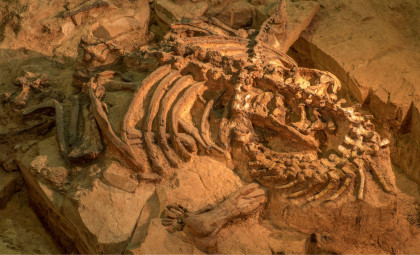
The specimen was excavated at the Phu Noi site within Thailand’s Phu Kradung Formation, a sedimentary environment rich in Jurassic-era vertebrate fossils.
A Single Vertebra Unveils a New Dinosaur
Rather than being identified from an almost complete skeleton, Uragasaurus kalasinensis was described based solely on a well-preserved vertebra located at the front section of the back, just behind the neck.
Designated PRC 460, this fossil was found alongside various other sauropod bones, though the team could not definitively assign those fragments to the same individual. Thus, the vertebra formed the primary basis for naming the species.
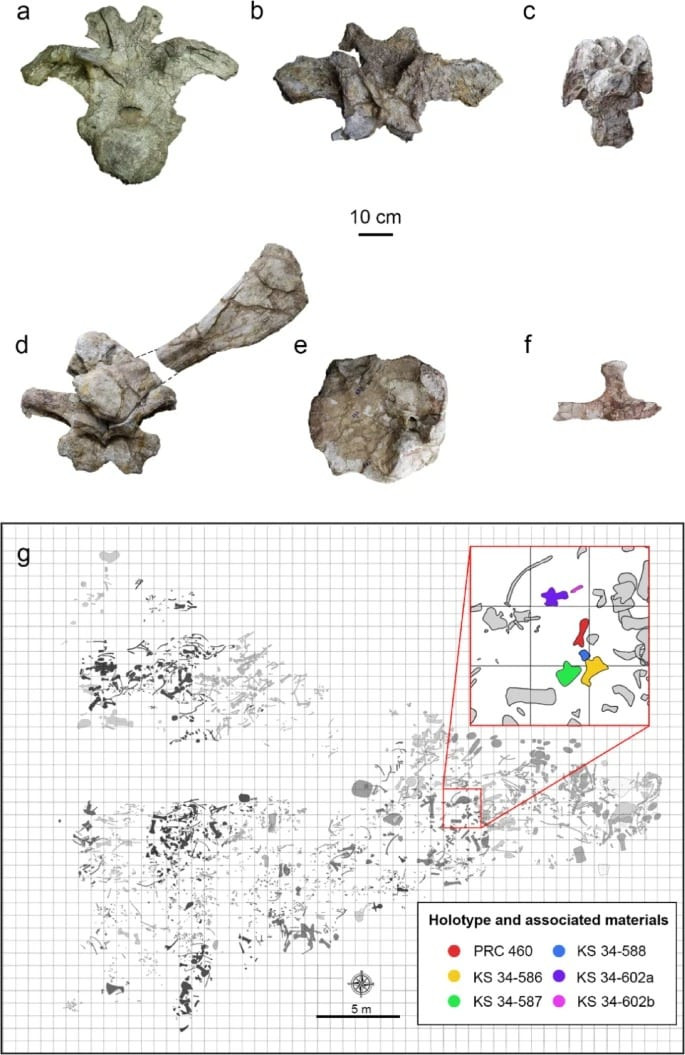
Despite being just one bone, distinct anatomical features allowed scientists to conclude they had uncovered a dinosaur not previously documented.
Introducing a Colossal Sauropod from East Asia
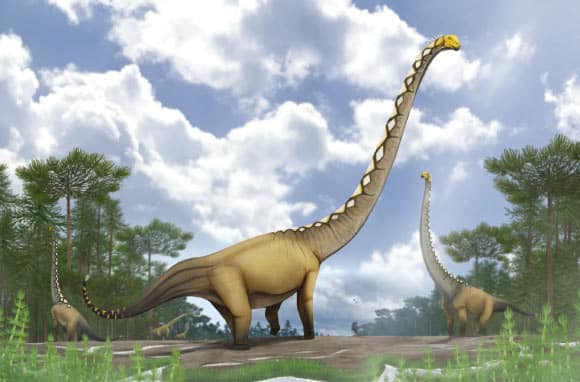
The research characterizes mamenchisaurids as predominant non-neosauropod eusauropods in East Asia during the Middle to Late Jurassic. These dinosaurs are notable for their extraordinarily lengthened neck vertebrae with extensive air sacs, as well as specialized vertebrae near the front of the tail in more derived members.
“These features, although convergently evolved in several Cretaceous neosauropod lineages — including Euhelopodidae, Somphospondyli, and Titanosauria — have complicated interpretations of mamenchisaurid relationships and contributed to ongoing uncertainty regarding their phylogenetic position among sauropods.”
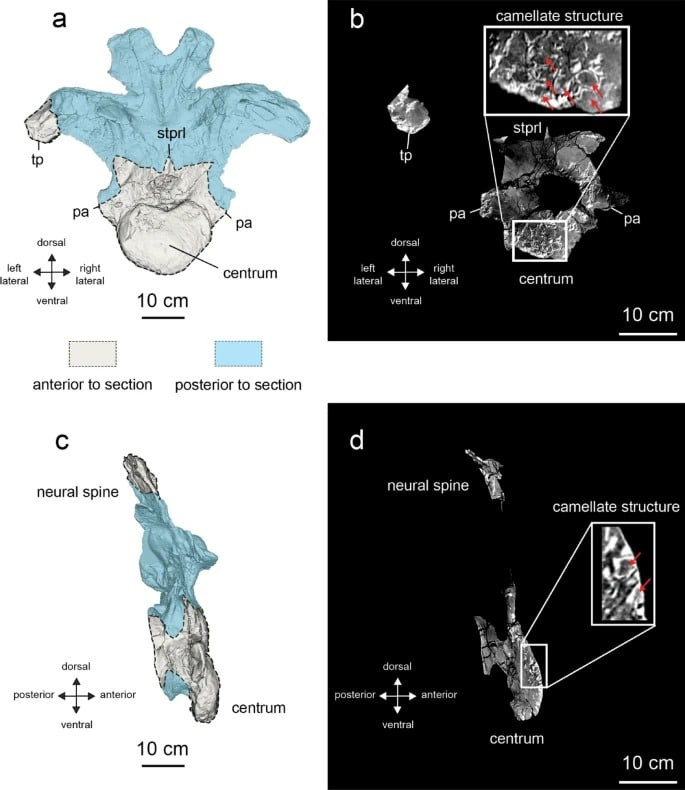
These common characteristics have posed challenges for paleontologists trying to clarify the evolutionary relationships of mamenchisaurids within the broader sauropod lineage.
Expanding the Jurassic Dinosaur Map
Analyses place Uragasaurus kalasinensis near the root of the mamenchisaurid group, indicating it is one of the more primitive members of the family.
The find broadens the geographical scope of mamenchisaurids into mainland Southeast Asia and supports the idea that they were widespread across eastern Asia during the Late Jurassic period. Similar species uncovered in China suggest strong faunal connections across this area.
The study also reveals complex paleobiogeographic patterns around the Jurassic-Cretaceous boundary when comparing with more distantly related sauropods. However, limited fossil evidence prevents a full picture of how these enormous dinosaurs dispersed regionally. The authors emphasize:
“Continued discoveries from the Phu Kradung Formation and other Jurassic deposits in Southeast Asia may therefore provide important insights into the early evolutionary history and biogeographic dispersal of mamenchisaurid sauropods.”
- Categories:
- Science


0 comments
Sign in to Comment