
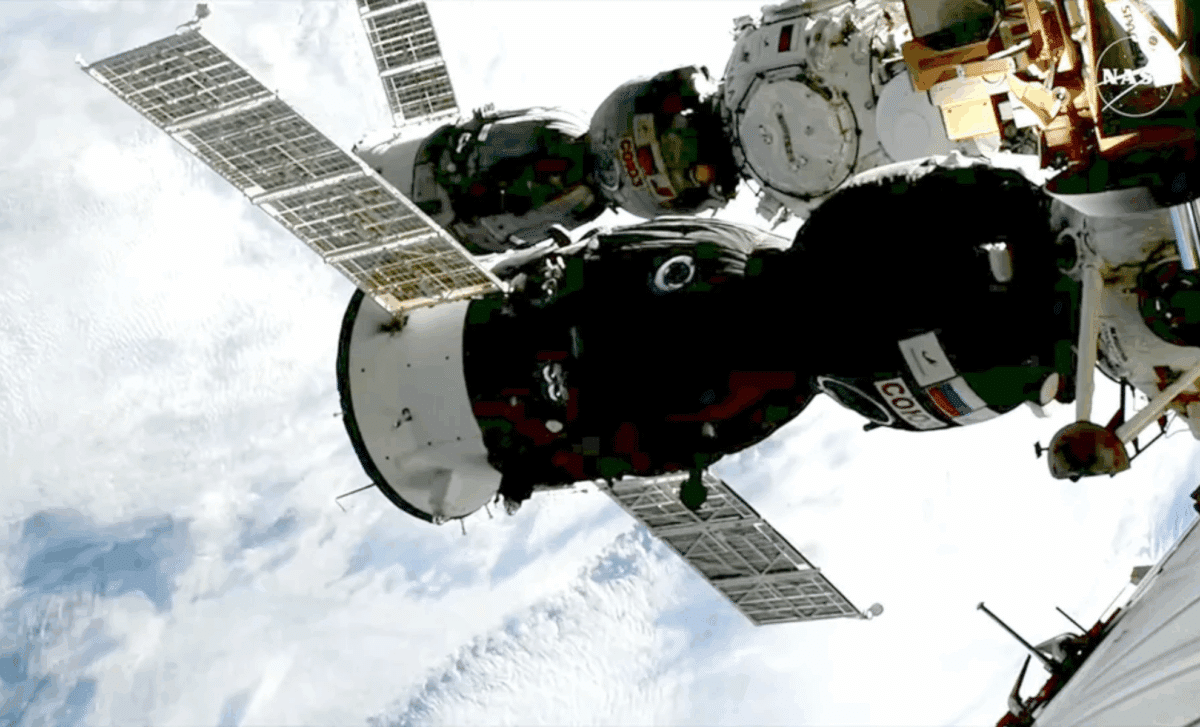
On Thanksgiving Day 2025, an inspiring milestone unfolded in space exploration as a team composed of an American astronaut and two Russian cosmonauts embarked on a rapid journey to the International Space Station (ISS). Traveling aboard the Soyuz MS-28 spacecraft, their trip lasted only three hours, perfectly timed with the holiday celebrated worldwide as a moment for gathering with loved ones. This event celebrated not only scientific collaboration but also camaraderie and festivity in orbit.
Festive Moments Orbiting Above the Planet
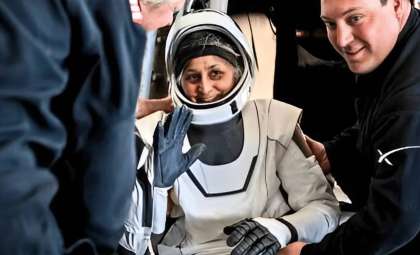
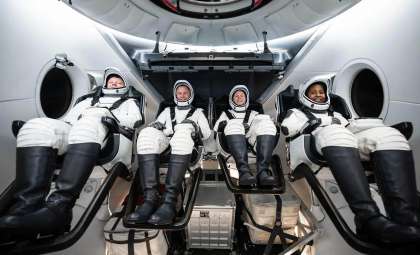
While families in the United States enjoyed their traditional Thanksgiving dinners, the crew of Soyuz MS-28 made history by successfully docking with the ISS just in time to join their fellow astronauts for a shared holiday meal. The team, consisting of NASA’s Chris Williams alongside Russian cosmonauts Sergey Kud-Sverchkov and Sergei Mikaev, departed the Baikonur Cosmodrome in Kazakhstan at 4:27 a.m. EST on November 27, 2025.
Williams, representing the U.S., reflected on his journey and the broader significance of his role during this special time:

“This Thanksgiving, I am grateful to live in a country where the grandson of Panamanian immigrants can represent America in the heavens, on a mission of peace and science.”
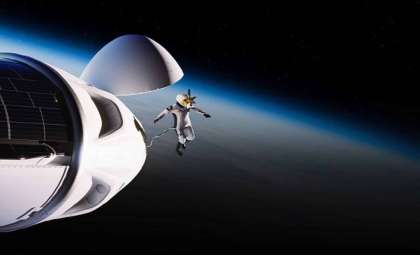
Although the flight spanned only a few hours, its timing on Thanksgiving Day added profound meaning. As the crew neared the ISS, two handcrafted dolls—a ginger cat named Gizmo and a small astronaut figure—were playfully displayed to signal the onset of zero gravity.
The spacecraft successfully connected to the ISS’s Rassvet module at 6:34 a.m. EST, joining the seven astronauts already aboard Expedition 73. Their arrival sparked celebration as the crew prepared for their Thanksgiving meal, continuing the cherished tradition of holiday feasting despite the vast distance from Earth. As noted by Space.com, the dining experience was carefully arranged:
“This is my second Thanksgiving in space, so I highly recommend it,” said Mike Fincke, a NASA astronaut, in a recorded video released by NASA ahead of the holiday.
Holiday Dining Traditions in Orbit
Even though space expeditions don’t typically coincide with major holidays, those aboard the ISS make a concerted effort to embrace familiar customs that maintain a sense of home. For this special Thanksgiving, NASA’s Johnson Space Center supplied a “Holiday Bulk Overwrapped Bag” (BOB) stocked with classic dishes including turkey, mashed potatoes, crab meat, and lobster. These gourmet provisions reflect ongoing advancements to ensure astronauts enjoy diverse and comforting meals throughout lengthy missions.
Zena Cardman, a fellow astronaut onboard the ISS, expressed enthusiasm about the festive menu: “We have got everything here, from turkey and the traditional things that Mike mentioned, some mashed potatoes, to crab meat, salmon, and we even have some lobster, which is amazing!” This culinary variety arrived during a September cargo delivery and highlights the progress achieved in elevating life onboard the station. Despite the high-tech environment and microgravity, astronauts savor the simple pleasure of enjoying a celebratory meal together.
Advancing Space Science and Technology with the New Crew
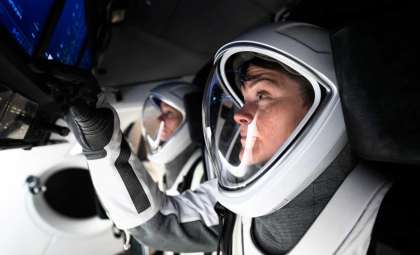
In addition to their holiday festivities, the Soyuz MS-28 crew will engage in numerous vital scientific investigations during their mission at the ISS. Astronaut Chris Williams, along with cosmonauts Sergey Kud-Sverchkov and Sergei Mikaev, are tasked with contributing to a broad range of experiments, from testing innovative technologies to analyzing the effects of prolonged spaceflight on human physiology. Among Williams’ responsibilities is installing the European Enhanced Exploration Exercise Device (E4D), a multi-functional fitness apparatus designed to support crew health during extended missions.
A groundbreaking aspect of this mission is the integration of GigaChat, an artificial intelligence assistant that Kud-Sverchkov and Mikaev will use to operate the Russian sector of the station. As the first cosmonauts to utilize this AI tool, they will depend on its advanced features to optimize station management. This innovative step demonstrates how AI is becoming an essential component in advancing operational efficiency for current and future space endeavors.
- Categories:
- Space




0 comments
Sign in to Comment