
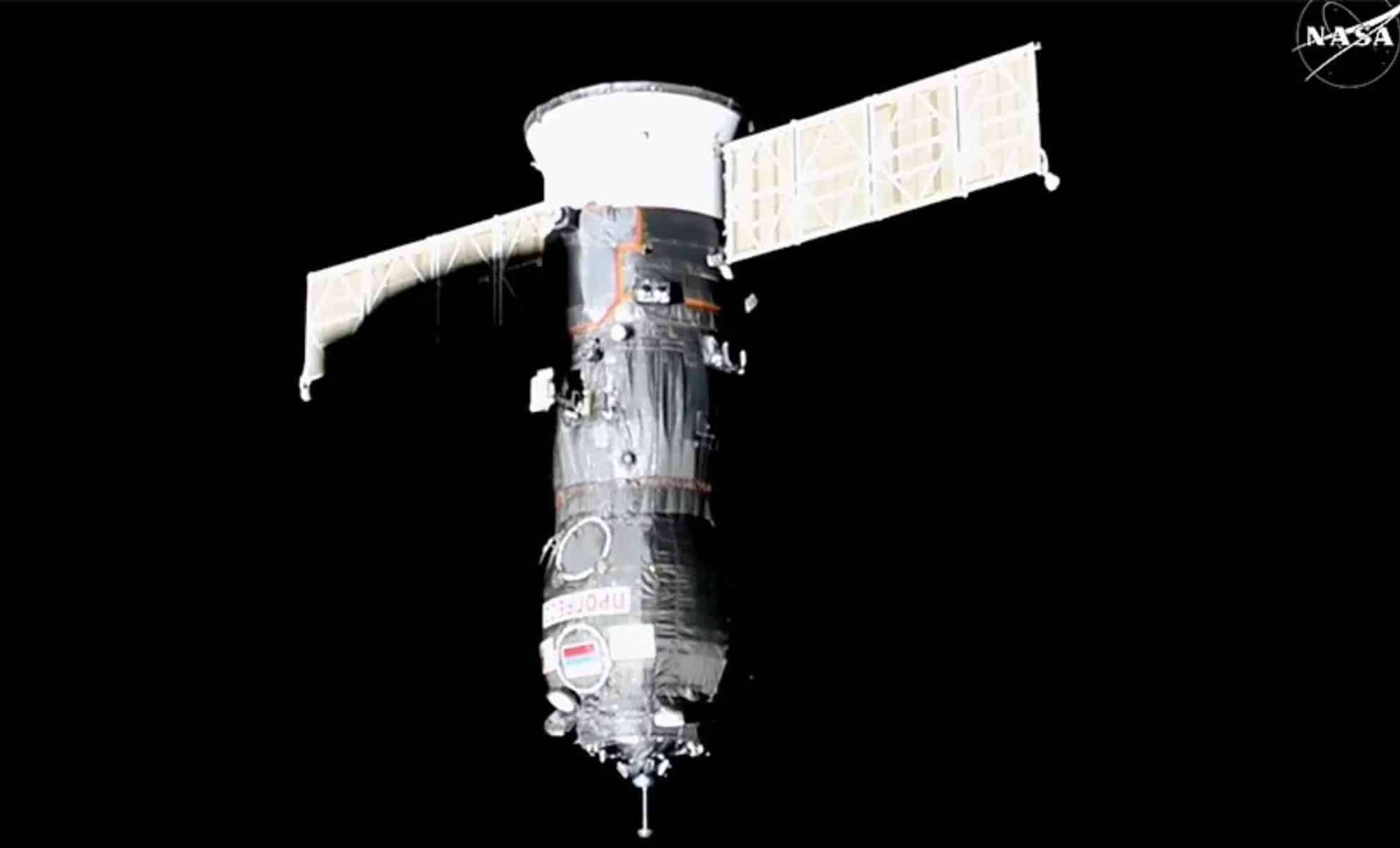
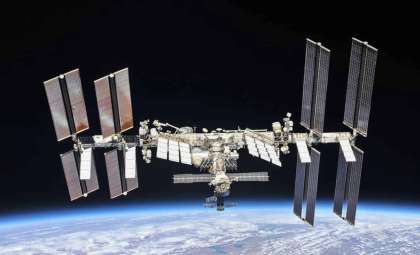
A recent episode aboard the International Space Station has raised alarms about the safety of supply shipments arriving from Earth. On November 23, the Russian Progress MS-29 cargo vehicle successfully docked with the ISS, delivering nearly 2,500 kilograms of provisions including food, fuel, and scientific experiments. However, soon after Russian cosmonauts opened its hatch, they detected an unusual smell and observed tiny droplets of an unidentified liquid. This event triggered immediate safety measures by the station’s crew and mission operations, highlighting the difficulties of managing hazards in orbit.
Both NASA and Roscosmos, Russia’s space agency, quickly coordinated a response. Air filtration systems were activated to cleanse the station’s environment while sensors continuously assessed air quality, though the precise cause and chemical makeup of the odor are still being examined. This occurrence adds to a series of recent technical issues involving Russian spacecraft and has renewed dialogue on the dependability of the aging space infrastructure and cooperative efforts in space.
Prompt Crew Response to Odor Detection
The situation emerged shortly after the Progress MS-29—also designated Progress 90 by NASA—arrived at the ISS through the Poisk module. Launched on November 21 from Kazakhstan's Baikonur Cosmodrome, the spacecraft was carrying crucial supplies for the international astronauts aboard. Upon opening the hatch hours later, the Russian crew encountered unforeseen conditions.

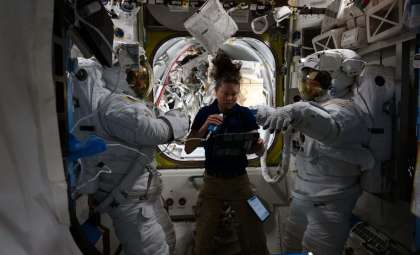
"Roscosmos cosmonauts noticed an unexpected odor and observed small droplets, prompting the crew to close the Poisk hatch to the rest of the Russian segment," NASA reported. To mitigate the situation, mission control activated air scrubbers that worked to remove any airborne contaminants. After roughly a day, NASA verified that the station's atmosphere returned to "normal levels."
No health issues among the crew have been reported, but NASA has not revealed details about the specific origin of the smell or the droplets. A Russian space news source, Russianspaceweb.com, labeled the odor as "toxic," although Roscosmos has yet to confirm this. This event highlights the difficulties in ensuring a safe living environment in space.
Recurring Complications with Russian Vessels
Problems with Russian spacecraft in orbit are not unprecedented. The Progress MS-29 incident adds to a series of concerns witnessed recently. For example, in December 2022, a Soyuz ship experienced a coolant leak while docked at the ISS, resulting in the deployment of an uncrewed backup craft. Similarly, in February 2023, a Progress MS-21 cargo ship also suffered a coolant leak, sparking worries about the longevity of these vehicles.
Earlier in October 2023, the ISS's Nauka module encountered a radiator leak, further illustrating ongoing technical challenges. Russian officials have frequently attributed these problems to external impacts like micrometeoroids or orbital debris, though some space experts remain doubtful. NASA has publicly supported these assessments; former ISS program manager Joel Montalbano stated, "The NASA team has also looked at it, independent of the Russian team, and we also cannot find anything…other than some type of external force or debris or something else like that."
These persistent issues demonstrate the critical necessity for continuous upkeep and scrutiny of spacecraft servicing the ISS, especially as partners prepare to continue operations through 2030.
Collaboration and Its Future in Space
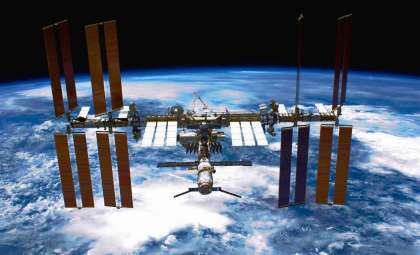
The ISS symbolizes global teamwork, involving 15 nations and five space agencies including NASA, Roscosmos, ESA, and others. While the US, Europe, Japan, and Canada have committed to operating the station until 2030, Russia has announced participation only through 2028. Events like the Progress MS-29 incident spark concerns over the reliability of aging space assets and the collaborative prospects moving forward.
Despite these hurdles, the ISS remains indispensable for research and innovation in low Earth orbit. The Progress MS-29 vehicle is slated to remain attached to the station for six months before undocking to dispose of waste. In the meantime, NASA and Roscosmos will closely monitor the cargo ship and continue investigating the odor’s origin.
This recent episode serves as a potent reminder of the dangers inherent in spaceflight and the critical need for resilient systems to safeguard astronaut wellbeing. As humanity embarks on ambitious initiatives such as the Artemis lunar missions and eventual Mars exploration, ensuring spacecraft dependability is paramount.






0 comments
Sign in to Comment