
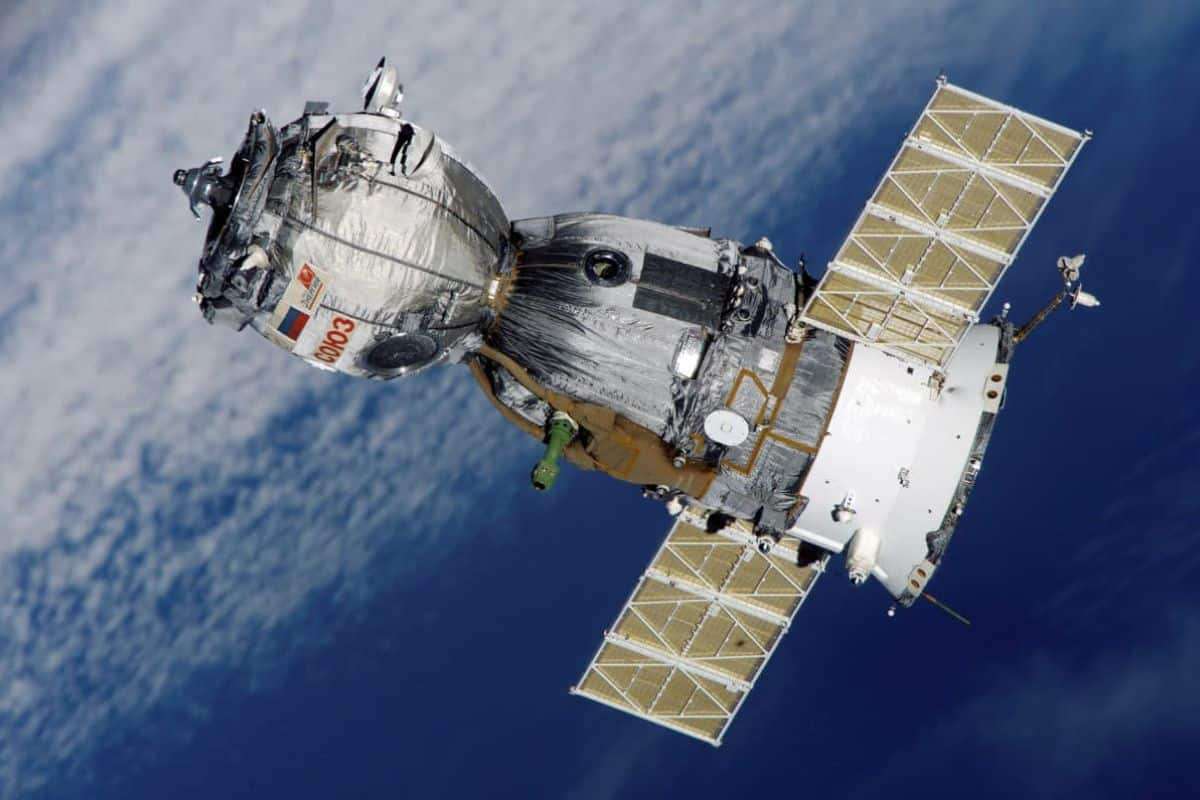
On March 1, a Russian cargo vessel flawlessly docked with the International Space Station (ISS), bringing nearly three metric tons of essential cargo, scientific gear, and a state-of-the-art spacesuit to support upcoming extravehicular activities.
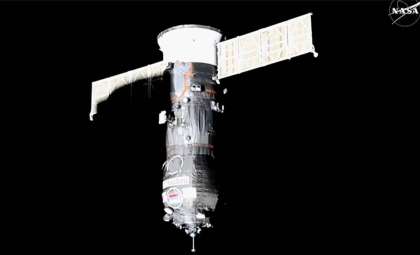
The unmanned spacecraft, known to NASA as Progress 91, connected to the station’s Zvezda module at 6:03 p.m. EST while orbiting approximately 260 miles (418 km) above the South Atlantic.
Critical Resupply for Ongoing Missions
The Progress MS-30 vehicle transported a comprehensive assortment of vital provisions including clothing, nutritional supplies, and medical essentials crucial for sustaining the crew’s wellbeing on the ISS.
Contained within the cargo were 926 pounds (420 kg) of drinking water and 110 pounds (50 kg) of nitrogen, vital for life support system functionality. Additionally, the shipment carried 2,094 pounds (950 kg) of propellant required to maintain the station’s orbit and power its maneuvering systems.

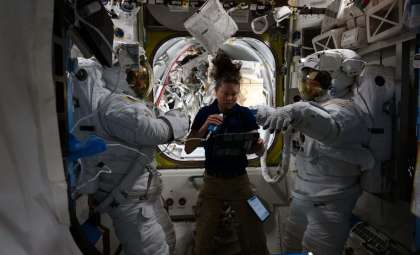
Highlighting the delivery was a new Orlan-MKS spacesuit, a modernized model tailored for Russian spacewalks. This enhanced suit offers improved flexibility and superior thermal insulation, critical for extravehicular operations.
Thanks to this resupply, the ISS remains fully stocked, enabling astronauts and cosmonauts to carry on with scientific investigations and maintenance tasks without interruption.
Scientific Equipment Delivered
The Progress MS-30 spacecraft transported several research experiments aimed at deepening our understanding of space conditions. One experiment investigates the growth of micro-algae as a sustainable food source for long-duration missions, while another studies microbial colonization on various materials to inform spacecraft design improvements.
Additional research focuses on semiconductor crystal growth in microgravity to produce advanced electronic components. Biomedical devices will also monitor how spaceflight impacts blood flow and immune response, vital for astronaut health monitoring.
These investigations are crucial for future deep-space exploration, providing valuable data for upcoming human missions to the Moon and Mars.
Russia’s Legacy in ISS Support
Since launching the first ISS module in 1998, Russia's Progress spacecraft have been essential to station operations. The Progress MS-30 mission marks Russia’s 91st resupply run and the 183rd flight of a Progress vehicle since the program's 1978 inception.
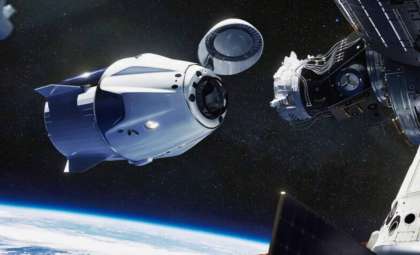
Unlike NASA’s reusable Dragon cargo ship, Progress vehicles are expendable. After unloading, they are filled with station waste and deorbited to burn up safely over the Pacific Ocean, efficiently managing refuse while delivering fresh supplies.
Advancing Toward Future Space Endeavors
As the ISS approaches the conclusion of its service life, international space agencies are prioritizing new orbital habitats and extended missions further into space. Commercial logistics providers such as SpaceX and Northrop Grumman are expanding their roles, but Russia’s Progress program continues to be a cornerstone of station resupply and upkeep.
Looking forward, activities like lunar Gateway support and manned Mars expeditions, highlighted in NASA’s ambitious plans, depend on technologies and operations tested aboard the ISS. Deliveries like that of Progress MS-30 remain vital to these efforts.
- Categories:
- Space







0 comments
Sign in to Comment