
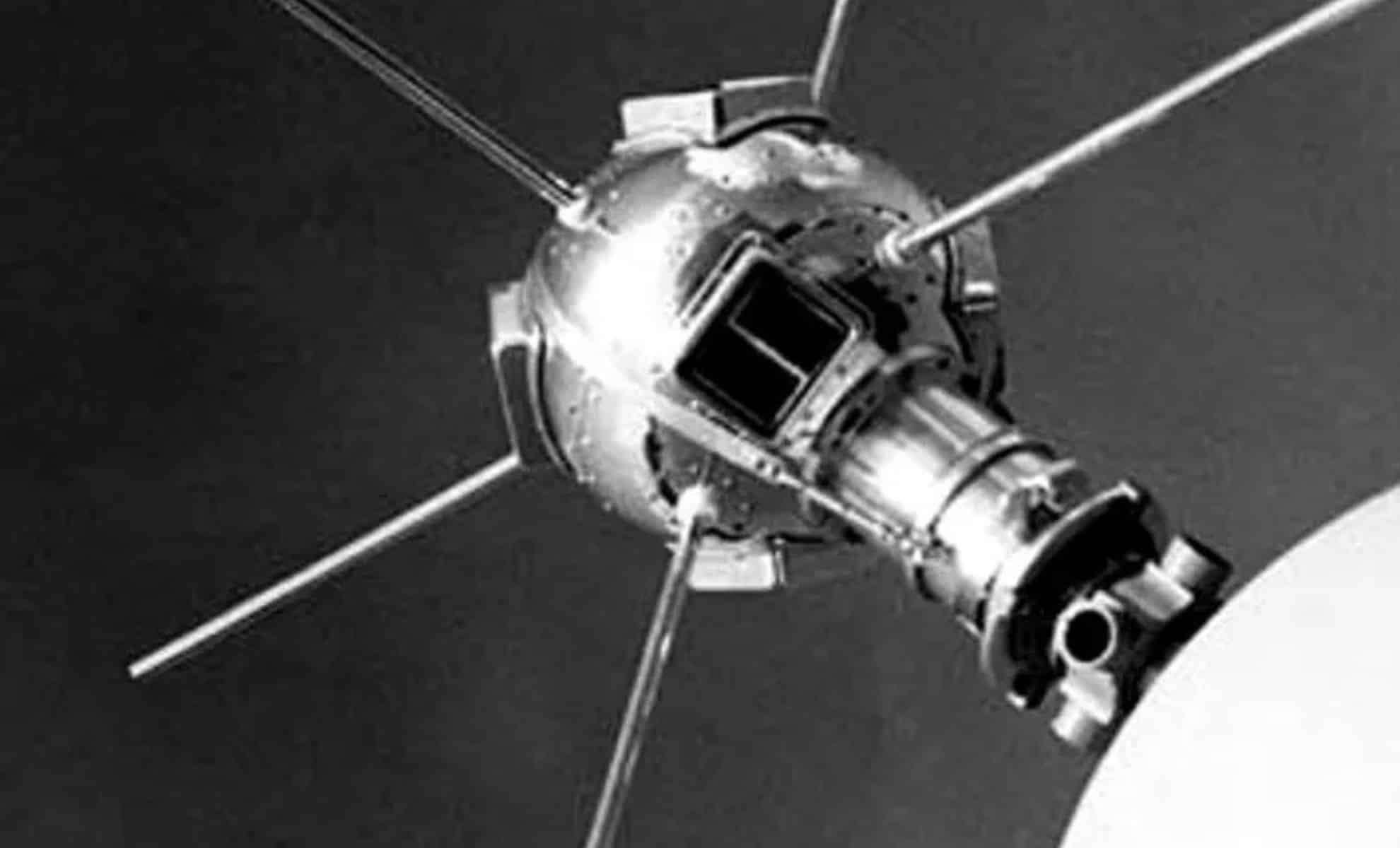
Launched back in 1958 and silent since the 1960s, Vanguard 1 holds the distinction of being the oldest man-made satellite still circling Earth. Recently, a team of scientists and aerospace historians has proposed an ambitious plan to recover this miniature spacecraft. Highlighted by Space.com, the initiative aims to retrieve Vanguard 1 from its distant elliptical orbit, potentially marking the first time a satellite has been captured and brought back after decades adrift in space. If successful, the endeavor could provide rare insights into how early space technologies have endured the extreme conditions beyond our atmosphere.
A Pioneer of Early Space Exploration
The U.S. Navy launched Vanguard 1 on March 17, 1958, shortly after the world was shocked by the Soviet Union's Sputnik 1. Despite an initial failed attempt known as "Kaputnik," Vanguard 1’s successful launch helped bolster American confidence in the high-stakes Space Race.
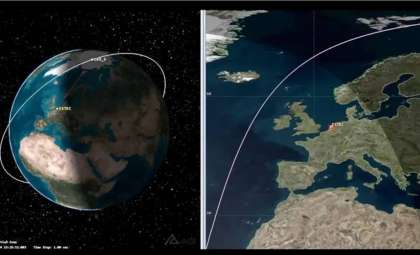
Weighing only three pounds, it was the first satellite powered by solar energy, introducing photovoltaic cells to space technology. Although its radio transmitter ceased functioning in 1964, the satellite has remained in orbit ever since, traveling along an elliptical path ranging from 410 to 2,375 miles above Earth.

Today, Vanguard 1 stands as the oldest intact human-made object still orbiting Earth, attracting attention from experts eager to study its long-term exposure to the space environment.
Turning a Space Relic Into a Museum Artifact
Matt Bille, an aerospace analyst affiliated with Booz Allen Hamilton, has spearheaded a new recovery proposal. Although the plan lacks official endorsement from any space agency, it has garnered enthusiasm within the scientific community due to its historical importance, scientific potential, and symbolic significance.
“We’re not the first people to have the idea, and we hope we won’t be the last,” Bille told Space.com.
“Retrieving Vanguard 1 would be a challenge, but an achievable and invaluable step forward for the entire U.S. space community.”
The envisioned mission would unfold in two steps: initially dispatching a spacecraft to capture detailed images of Vanguard 1, checking its condition, spin, and precise location. If the satellite’s status permits, a specialized spacecraft could then move in to retrieve the satellite, possibly transporting it back to Earth through the International Space Station or carrying it in a dedicated return capsule.
Should this mission succeed, Vanguard 1 might be showcased at the Smithsonian National Air and Space Museum, offering a tangible connection for future generations to humanity’s earliest ventures into outer space.
An Orbital Artifact That Tells a Story
What makes Vanguard 1 especially intriguing is not only its longevity but also what decades spent in orbit have done to its structure. The satellite's surfaces, components, and instruments have endured exposure to space radiation, micrometeoroid impacts, and orbital debris since the Eisenhower administration.
“Our research indicated possible interest in the condition of the solar cells, batteries, and metals, along with the record of micrometeorite or debris strikes over such a long time,” Bille noted.
“It would be a record for retrieving an exposed spacecraft.”
Naval Research Laboratory member Bill Raynor explains that Vanguard 1’s extended orbit has contributed to refining Earth's geophysical models — reinforcing findings that Earth is slightly pear-shaped rather than perfectly spherical.
Recovering the satellite would give materials scientists and historians a unique opportunity to analyze how early aerospace technology fared against the harshness of space over many years.
A Mission in Search of Support
Despite growing enthusiasm, the operation currently lacks formal sponsorship. Experts suggest that a private benefactor with a passion for space history and ample funding—such as SpaceX’s Jared Isaacman or entrepreneur Jeff Bezos, who has previously backed Apollo mission recovery efforts—could enable the mission to move forward.
Precision is critical since Vanguard 1 is small, with only a 91-centimeter antenna span, requiring navigation accurate to mere millimeters to avoid damaging the delicate satellite during capture.
Still, the aspiration endures — a project combining science, heritage, and respect for the pioneers who launched humanity’s first spacecraft into orbit.
- Categories:
- News







0 comments
Sign in to Comment