
Though it might seem unusual, your stool could be a vital resource for medical science. Instead of merely discarding it, an increasing number of stool banks throughout the United States are collecting human feces to treat serious intestinal disorders—and offering financial incentives to donors.
This cutting-edge treatment, called fecal microbiota transplantation (FMT), is quickly gaining ground as a remedy for persistent health issues. Beyond treating infections, research is exploring fecal transplants’ potential to address conditions such as autism, obesity, and certain cancers.
Understanding the Power Behind Fecal Transplants
You might ask why feces have captured scientific attention. The answer lies in the fact that our digestive tracts harbor complex communities of microbes that are essential for good health. These microorganisms assist digestion, support immunity, and their imbalance is linked to various ailments.

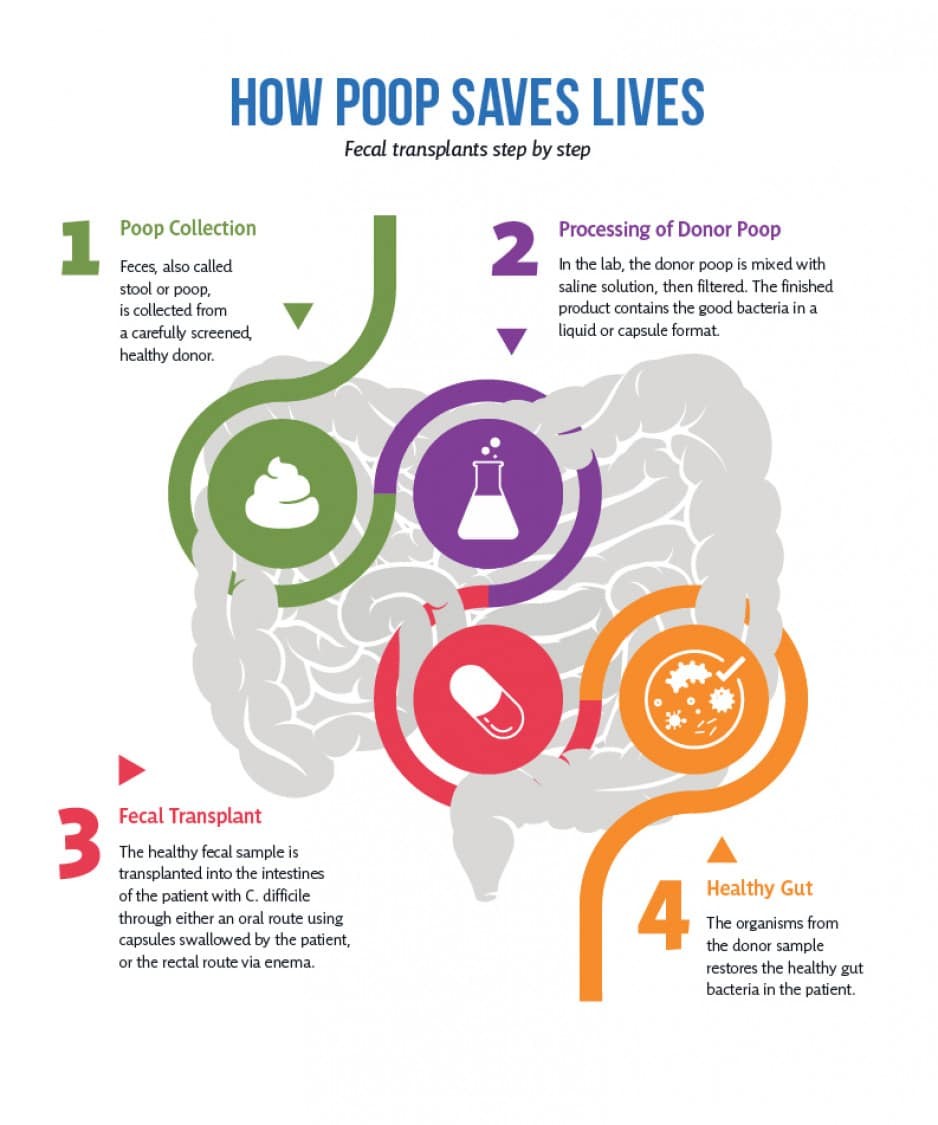
According to insights from St. Joseph’s Health Care London, FMT involves transplanting healthy stool from a donor into a recipient whose gut microbiome is compromised. The goal is to reestablish microbial equilibrium in the gut, alleviating infections and inflammatory disorders. While FMT is primarily used against recurrent Clostridioides difficile infections, scientists are investigating its broader therapeutic possibilities.
“The idea is to use it for ‘poo’ transplants, otherwise known as fecal microbiota transplantation,” explains Associate Professor Nadeem O. Kaakoush from UNSW Sydney. “That’s when poo products made from healthy donor poo are transplanted into another person to improve their health.”
Strict Standards Define Suitable Donors
Not all stool is acceptable for transplant. To ensure safety and efficacy, donors must meet rigorous health standards, free from viruses, parasites, and antibiotic-resistant bacteria. Even apparently healthy donors may not always qualify. Dr. Kaakoush emphasizes the comprehensive screening process involved.
“When we transplant poo, we want to make sure the donor is free from blood-borne viruses (such as HIV or hepatitis). We also want to make sure their poo is free from parasites, and disease-causing viruses and bacteria (such as Clostridioides difficile) and certain antibiotic-resistant bacteria.”
Additionally, donors need to reside near a stool bank since freshness is critical to the transplant’s effectiveness. Despite these stringent rules, demand for top-quality stool remains high.
Monetary Rewards for Stool Contributions
With the increasing need for fecal donations, some stool banks now pay donors. Organizations like GoodNature offer up to $1,500 monthly to regular donors.
While unusual as a source of income, compensating donors is gaining acceptance as the benefits of fecal donation in medicine become clearer. According to Dr. Kaakoush:
“It is likely your donation will treat someone with recurrent C. difficile infection. Otherwise, it would be used in a clinical trial or study to treat another important medical condition.”
The FDA has authorized two commercial FMT treatments, Rebyota and Vowst, aimed at preventing recurring C. difficile infections. Results are promising: Rebyota achieves a 70.6% success rate versus 57.5% with placebo, and Vowst reduces recurrence to 12.4% in high-risk patients.
“We’re a long way from replicating the entire gut microbial community in the lab. So we have to rely on live microbial products made from donated poo as research moves from the laboratory bench to the clinic,” he concluded.
- Categories:
- Science







0 comments
Sign in to Comment