
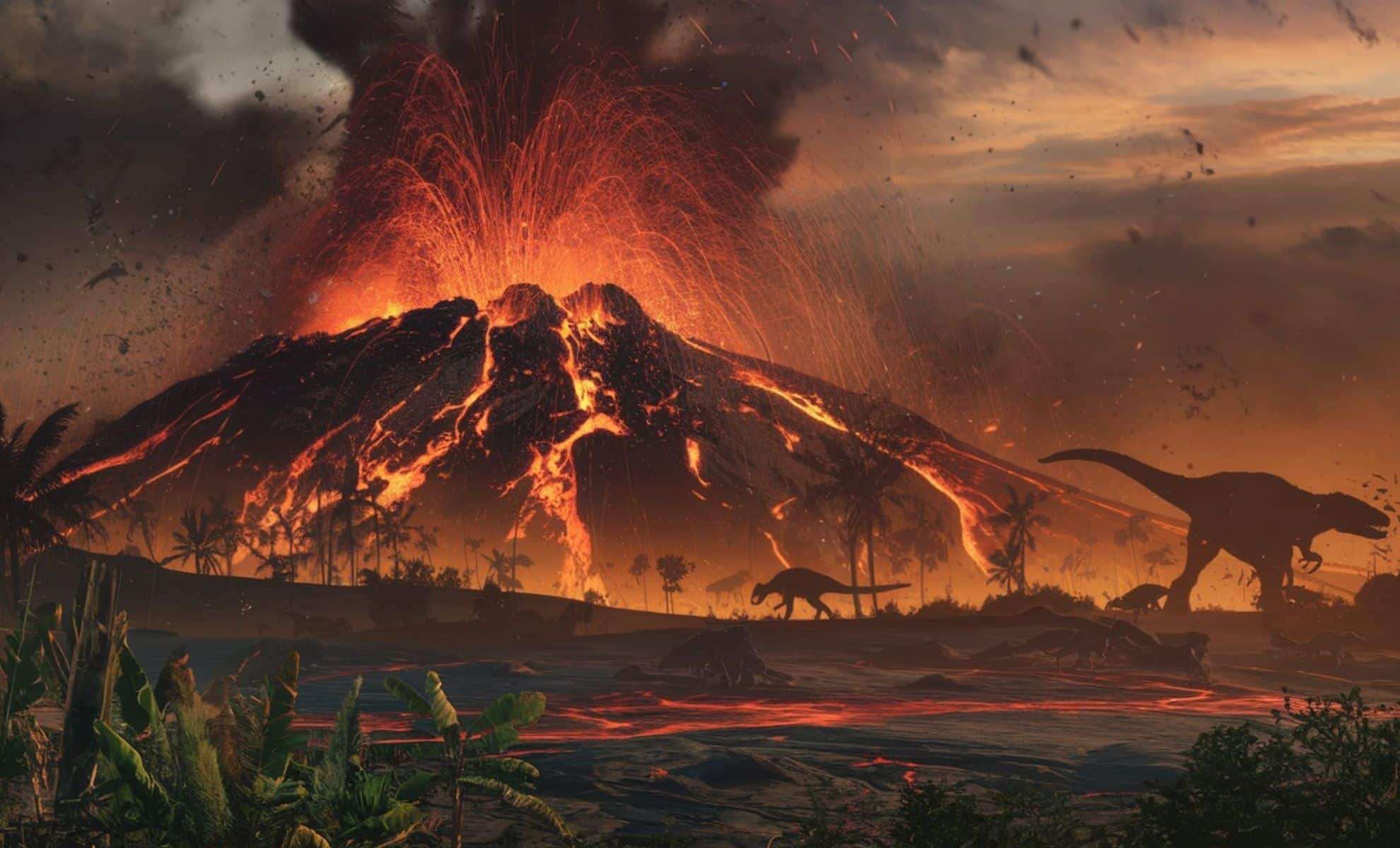
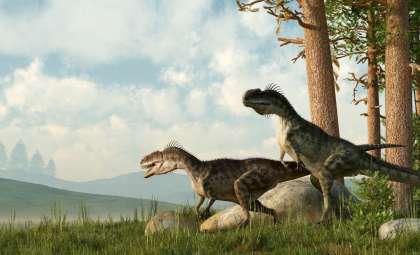
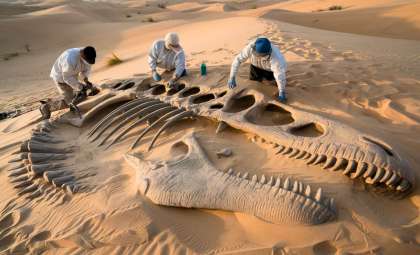
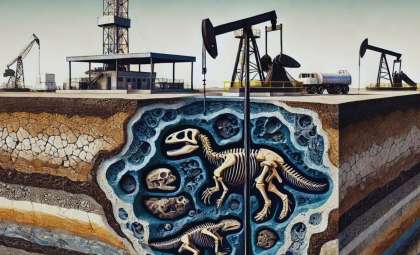
The long-standing explanation for the mass extinction that ended dinosaurs centers on a devastating asteroid strike near the modern Yucatán Peninsula. Evidence like the Chicxulub crater and a global iridium-rich sediment layer has strongly supported this view.
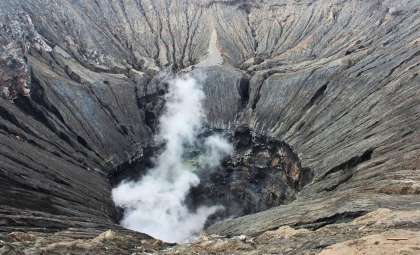
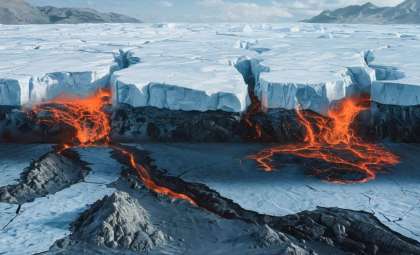
However, recent investigations have renewed focus on Earth's volcanic forces. Two separate papers featured in Science propose that volcanic eruptions, particularly from the vast Deccan Traps in India, likely had a significant impact on the extinction event.
Dual Chronologies Highlight Fiery Origins
Researchers from the University of California, Berkeley and Princeton University created detailed timelines of the Deccan volcanic episodes using distinct geological dating methods. Remarkably, both teams agreed on when the eruptions occurred.

The activity appears to have started approximately 400,000 years before the asteroid collision and lasted up to 600,000 years beyond the close of the Cretaceous period. Despite this consensus, key differences emerged between the studies.
The Berkeley group, including postdoctoral scientist Courtney Sprain from the University of Liverpool, estimated that about 75% of Deccan lava was expelled after the asteroid event. In contrast, the Princeton team, led by Blair Schoene, identified four major eruption phases, with the most intense pulse occurring roughly 100,000 years prior to the impact.
This timing implies volcanic stress may have already been affecting ecosystems before the asteroid's global fallout.
Massive Lava Outpourings and Their Ecological Effects
The magnitude of the Deccan Traps eruptions is truly staggering. Over about a million years, these volcanic forces expelled more than 560,000 cubic kilometers of lava—enough to form a continuous rock formation over 8 kilometers wide and 1.6 kilometers tall around the Earth.
For perspective, Hawaii’s 2018 Kilauea eruption released just 0.8 cubic kilometers of lava within months. Alongside lava flows, the Deccan explosions emitted vast amounts of greenhouse gases and aerosols, potentially warming the climate or reducing sunlight—both scenarios likely devastating to Cretaceous life.
Such large-scale volcanism is linked to other major extinction episodes. Similar eruption bursts in Siberia are considered responsible for the Permian-Triassic extinction, Earth's most severe calamity.
The Deccan Traps' ability to alter climate and atmospheric chemistry adds complexity to understanding what ultimately ended the age of dinosaurs.
Decoding the Volcanic Timeline
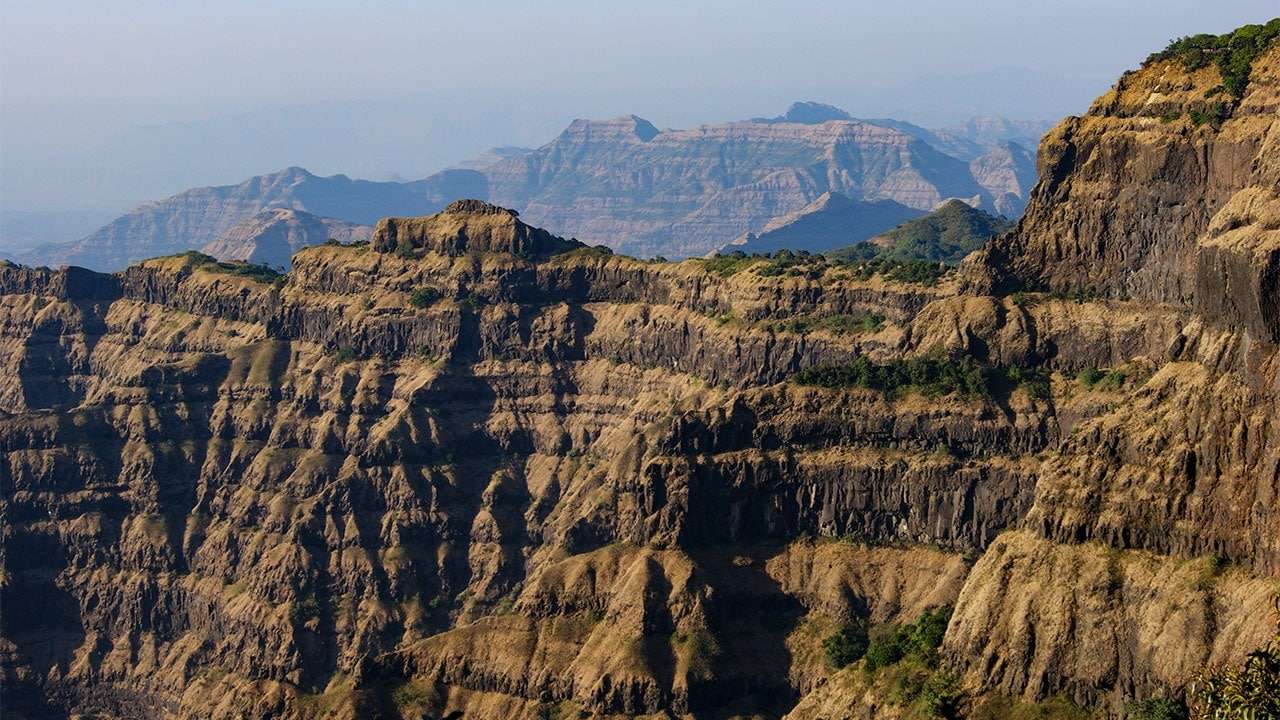
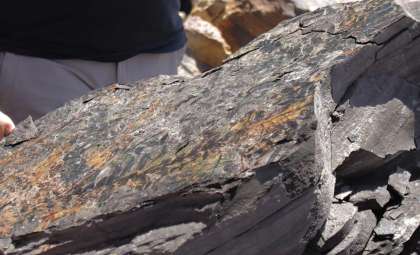
To establish eruption sequences, both teams investigated the Western Ghats region, where cooled lava layers reach over 1,600 meters thick. Each team utilized unique techniques: Sprain’s group analyzed how minerals cooled after eruptions, while Schoene’s researchers dated zircon crystals embedded in sediment layers placed between lava flows.
These zircons, carried by volcanic ash from distant eruptions, were trapped beneath newer lava, enabling precise dating of individual volcanic phases. The research illustrates the challenge of untangling events spanning hundreds of thousands of years.
“If the 4.54 billion years of Earth’s history were compressed into a calendar year,” one researcher explained, “these volcanic and impact events would occur within just a few minutes.”
Advances in geochronology now allow rock dating precision within tens of thousands of years, contributing to these detailed timelines.
The Ongoing Debate Over the Extinction's Cause
Despite the improved clarity, discrepancies remain. Schoene’s team placed the largest lava flow—the Poladpur Formation, roughly 146,000 cubic kilometers—before the asteroid struck, whereas Sprain’s group dated it as occurring after the impact.
Whether this massive volcanic event preceded or followed Chicxulub is crucial: it may have either heightened environmental pressures before the extinction or influenced Earth's recovery, potentially even triggered by the asteroid itself.
This uncertainty highlights the difficulty in pinpointing a single culprit for an extinction within overlapping geological timescales. Paleontologist Paul Wignall from the University of Leeds remarked, “Now that the calendar is more precise, it’s worse, in a way, because it shows how close these events are, to the point where you just can’t tell who’s responsible.”
Both teams plan to join efforts and refine their data further. The debate's history is rich—Berkeley was home to Luis and Walter Alvarez, pioneers of the asteroid hypothesis, while Gerta Keller of Princeton, a co-author of the recent study, has long maintained that volcanism alone could explain the extinction.
- Categories:
- Science




0 comments
Sign in to Comment