
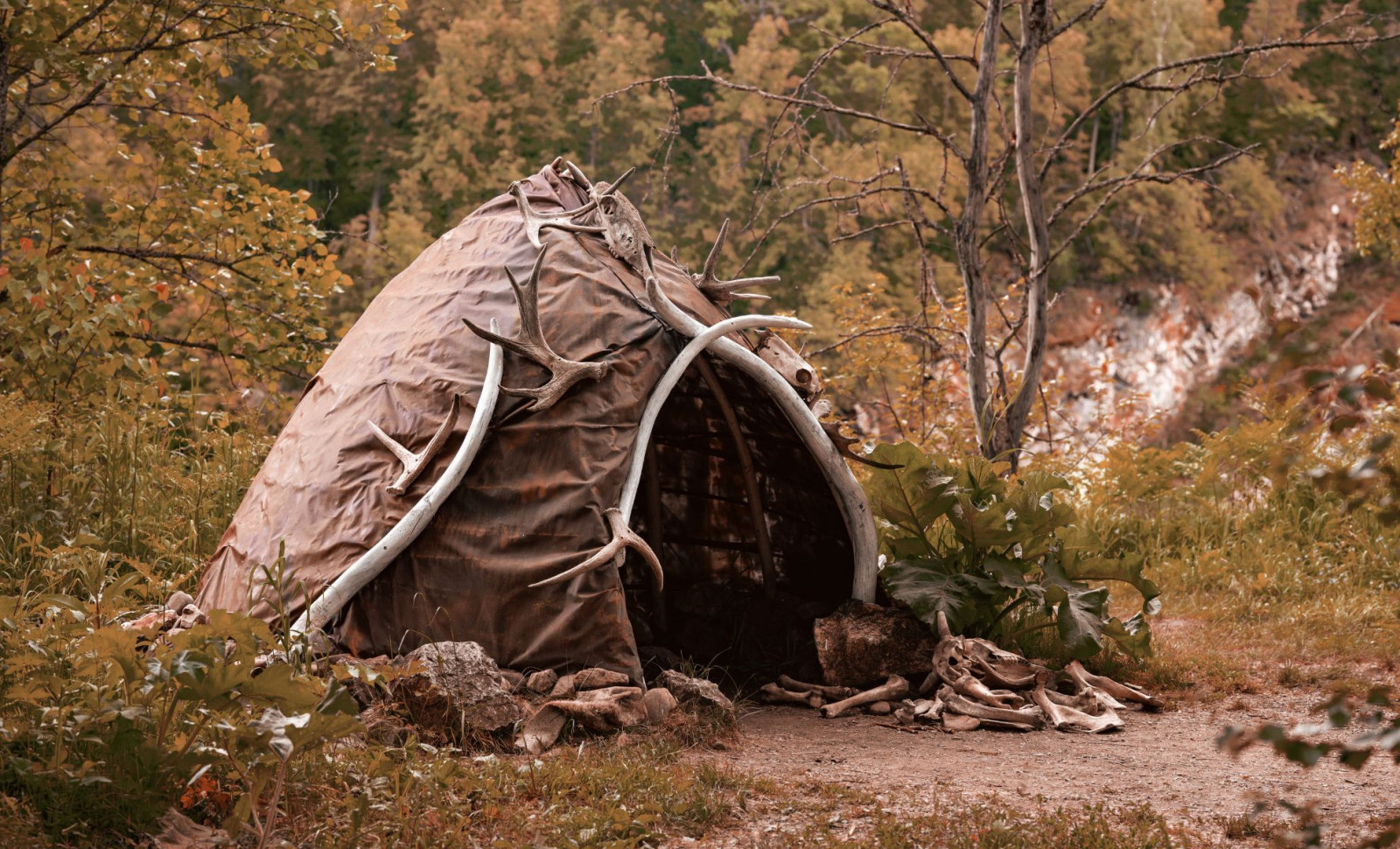
Long before the advent of stone and mud brick homes, Ice Age communities in what is now Ukraine ingeniously constructed dwellings using the bones of woolly mammoths. Recent research indicates that these unique bone-made shelters date back close to 18,000 years, representing some of the earliest evidence of humans repurposing large animal remains for building.
Researchers from the Taras Shevchenko National University of Kyiv unveiled their discoveries on November 21 in the journal Open Research Europe. The team combined radiocarbon analysis of animal bones found nearby with an in-depth examination of the building’s design and materials. Although using bones as structural elements might seem unusual, the archaeological evidence clearly shows these shelters were practical and functional for their time.
The Mammoth Skull Foundation
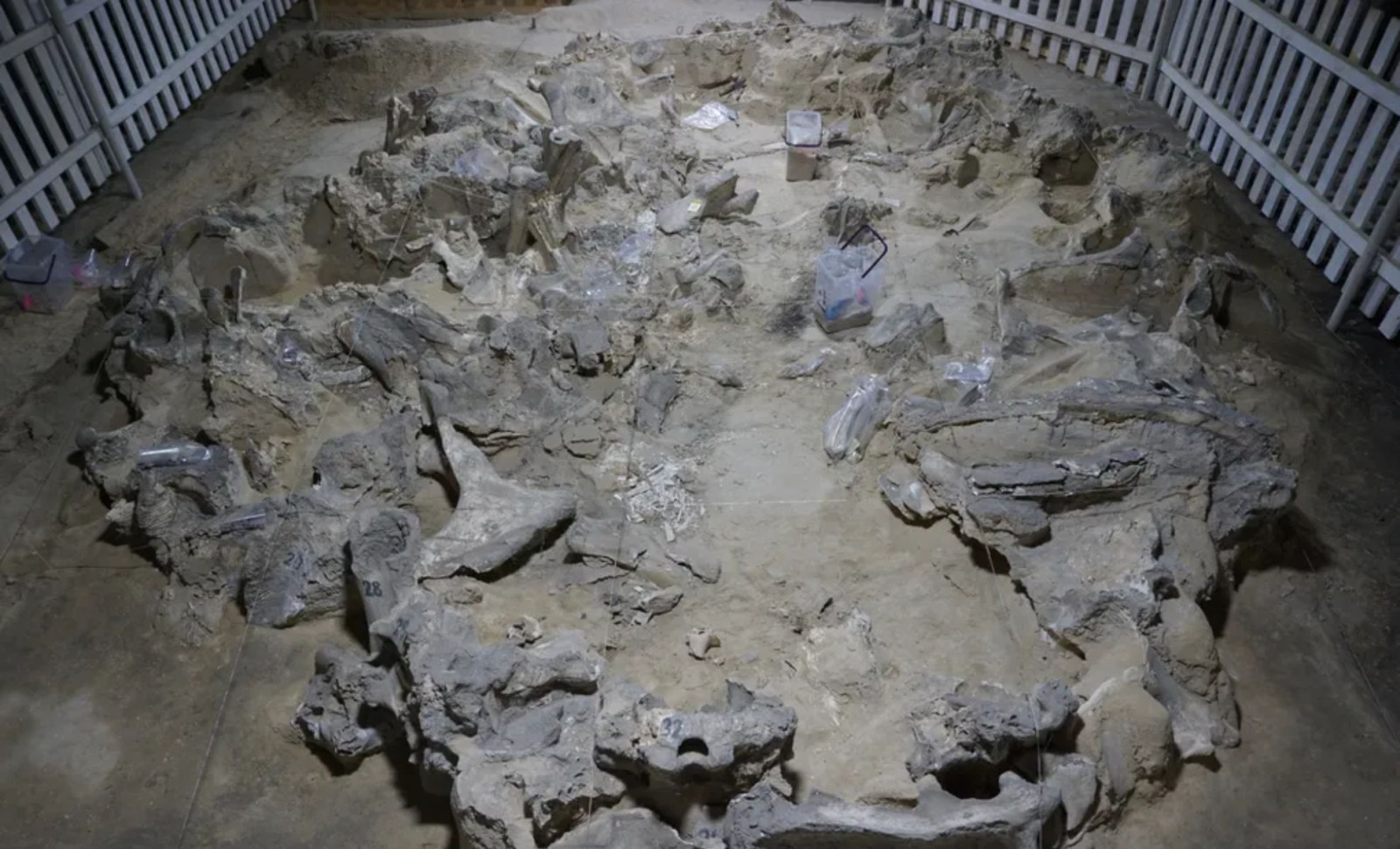
The most prominent of these dwellings at the Mezhyrich site is dated between 18,323 and 17,839 years ago, forming shortly after the Last Glacial Maximum. According to the article published by Open Research Europe, the foundation involved setting mammoth skulls and major long bones vertically into the frozen ground to create a sturdy base. Above this, tusks and large, flat bones were arranged to form roofs and windbreaks.

“The foundation of the shelters may have had mammoth skulls and large long bones, set vertically into the ground,” said Pavlo Shydlovskyi, co-author of the study, in comments shared with Live Science.
Shydlovskyi further explained that when available, wooden frameworks might have supported the walls and roofs, which would then be covered with animal skins or possibly birch bark. While organic materials have not survived, their integration is strongly inferred to provide insulation and protection from moisture.
Seasonal Habitats Lasting Centuries
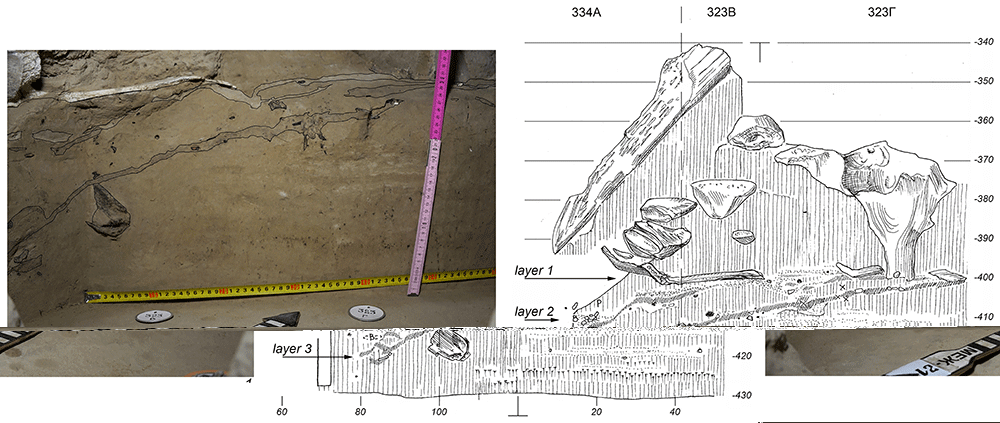
Although robust, these constructions were not permanent residences. Radiocarbon dating of small animal bones found in proximity indicates that the shelters were likely used repeatedly over a span of up to 429 years, implying recurring seasonal occupation rather than year-round living.
The huts probably housed groups of five to seven people, likely family units or close relatives. Inside, inhabitants engaged in essential survival activities such as crafting flint tools, working animal hides, and processing small game, as described by Shydlovskyi.
Ongoing Debate Over Dating Accuracy
While the evidence strongly supports the dating results, some experts remain cautious about the proposed timeline. François Djindjian, an authority on Ice Age archaeology and honorary professor at University of Paris 1 Panthéon-Sorbonne, pointed out that only a limited number of radiocarbon samples were analyzed. As noted by Live Science, a more comprehensive set of dates from varied locations within the site could provide a clearer understanding of how long these bone-made homes were occupied.
Regardless, these Mezhyrich bone structures remain extraordinary examples of Ice Age ingenuity. They reveal a powerful human connection to their environment, transforming mammoth remains into protective shelters and illustrating how early humans creatively adapted to survive harsh climates.
- Categories:
- News












0 comments
Sign in to Comment