
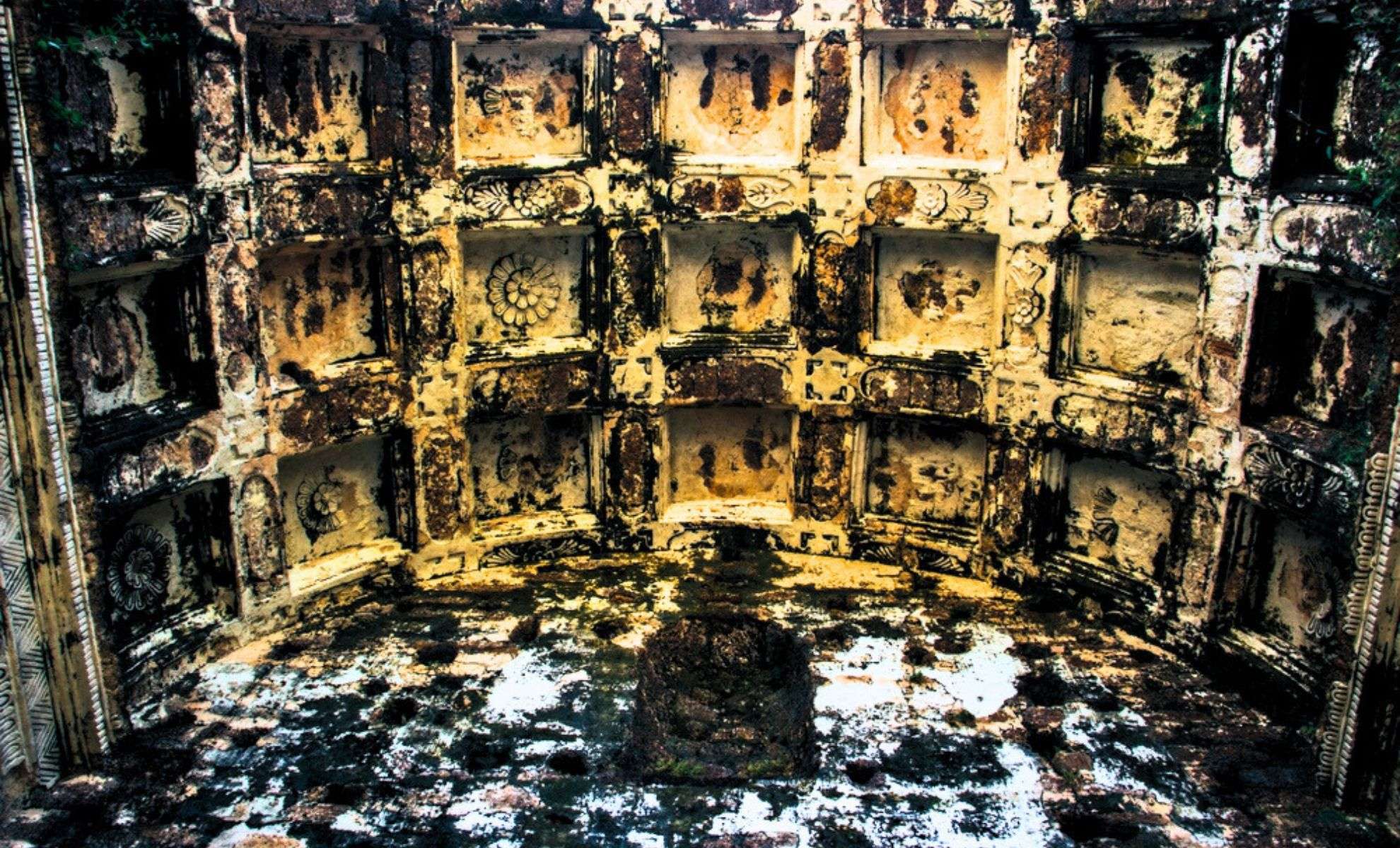
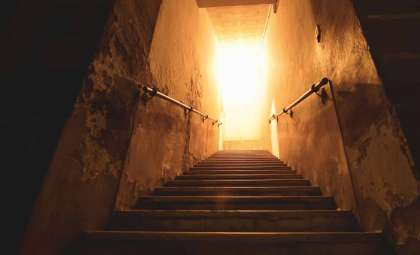
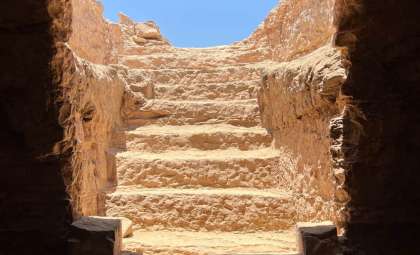
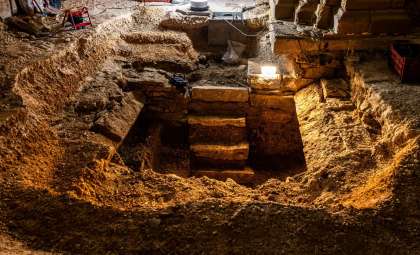
Concealed beneath the ruins of a collapsed tower in western Ukraine, a narrow shaft lay undisturbed for almost three centuries. Following over a year of meticulous excavation, researchers have finally gained access to a chamber sealed since the 1600s, likely walled off during the Turkish-Polish War of 1676. Situated beneath Galician Castle in the historic town of Halych, this space is thought to have functioned as a fortified gun emplacement—its blackened walls and structural arrangement hinting at combat use, while its accidental burial has preserved it as a remarkable time capsule of military heritage.
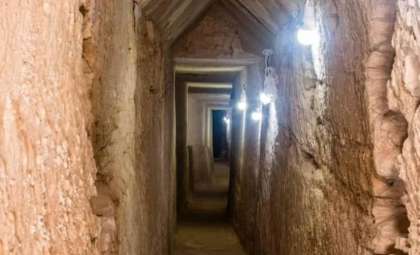
A Ukrainian team from the National Academy of Sciences uncovered the chamber after detecting a ventilation shaft protruding from the debris in 2023. This slim corridor led to a section of the castle previously believed destroyed. To protect the delicate site, all excavation—removing over 150 cubic meters of earth and stone—was carried out manually under the leadership of Volodymyr Oleynyk, Director General of the Ancient Galich National Reserve.
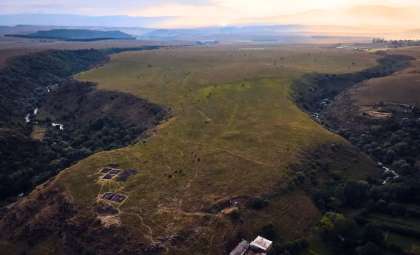
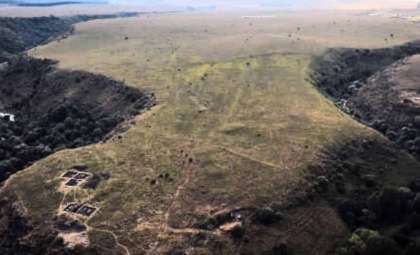
Galician Castle, also called Starosta Castle, has undergone numerous rebuilds since its 12th-century origins. Initially constructed from wood atop a cliff overlooking the Dniester River, it was later reconstructed in stone by King Casimir III the Great in the 14th century and further modified in the 17th century by Italian architect Francisco Corazzini. During the Ottoman incursions through Eastern Europe, this fortress stood as a key defensive site—and frequent target.

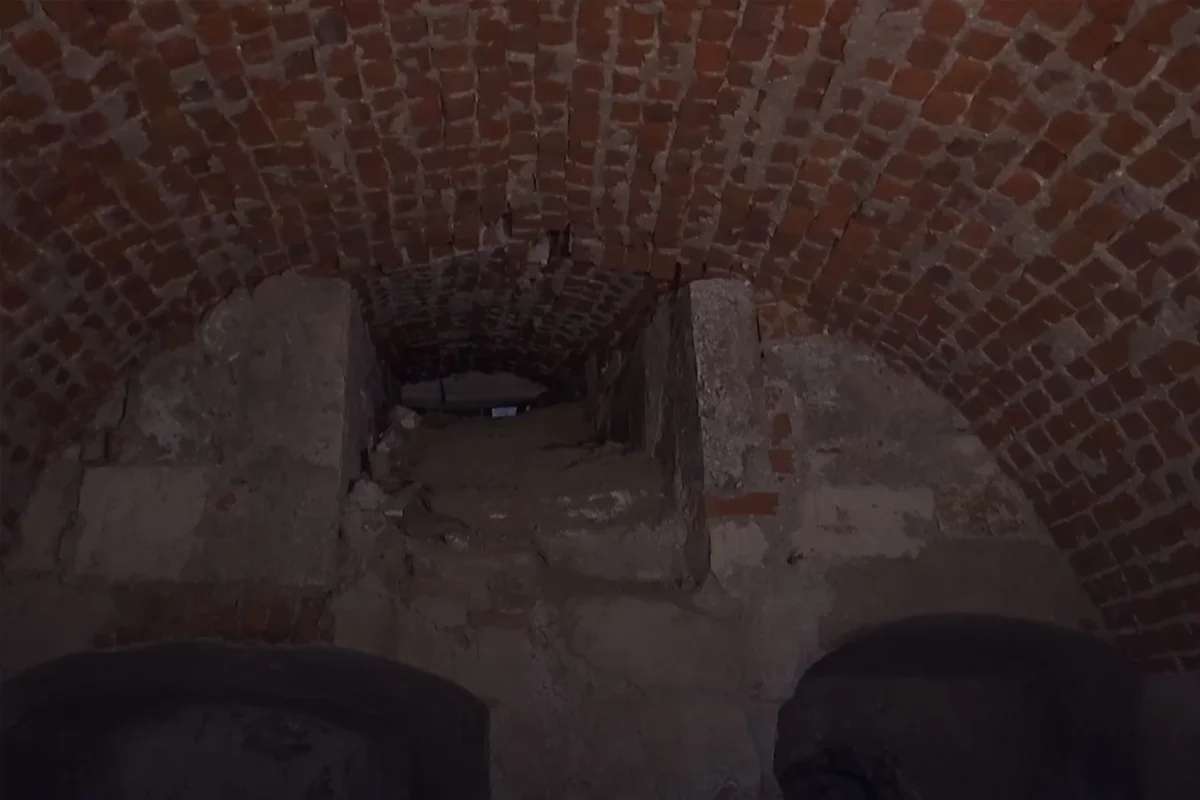
Experts believe this chamber was sealed when artillery fire struck during the 1676 siege, as troops led by Ibrahim Şehandar, an Ottoman commander, bombarded Galician Castle. A cannon blast that partially destroyed the tower also covered the chamber in debris and mud, sealing it off for centuries. This accidental entombment preserved architectural components and structural elements seldom retained intact in post-battle fortresses.
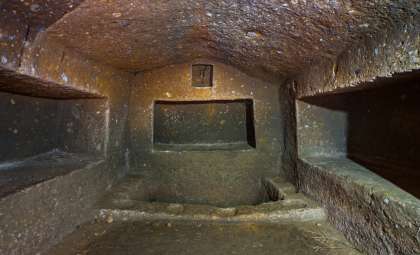
Photographs from within the room reveal aged plaster, charred surfaces, and robust stonework consistent with casemate design—a military engineering style built to endure continuous shelling. "All signs point to defensive use," Oleynyk told TCH News. "The soot marks, structural reinforcements, and confined access all support the casemate hypothesis."
Unraveling Battle Stories and Local Legends
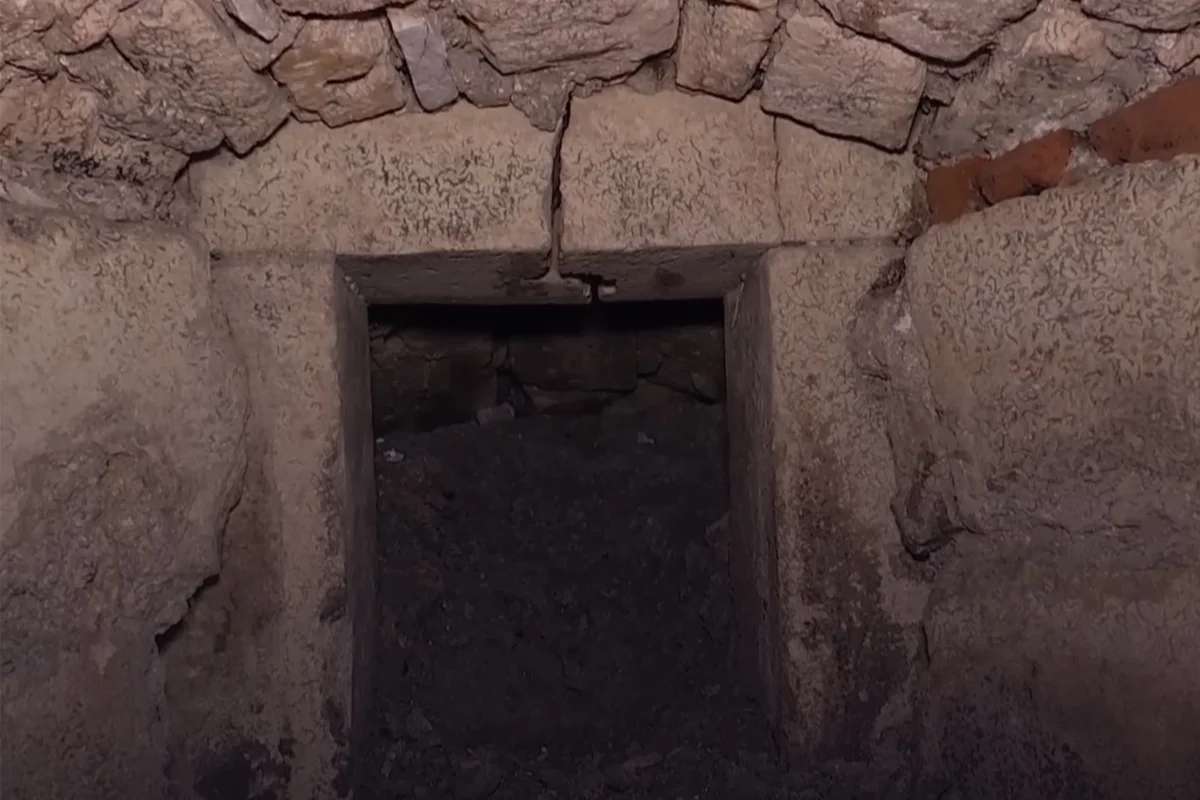
What makes this find especially intriguing is a small breach discovered in one of the chamber's stone walls, which could connect to a system of underground tunnels long spoken about in local folk tales but never verified. According to legend, a daughter of a Galician elder escaped through these tunnels alongside her lover, aided by her maid, after bribing castle guards during the siege.
While no confirmed tunnel network has been uncovered yet, this opening lends credibility to the oral histories passed through generations. Similar underground escape passages have been found in Eastern European castles such as Kamianets-Podilskyi and Lviv High Castle, often constructed to facilitate evacuation during sieges. Should tunnels be located, it would position Galician Castle among a select group of fortified European strongholds designed for both defense and escape.
Although public visitation remains restricted, academics closely monitor the progress of this excavation. The possibility of uncovering artifacts, architectural drawings, or human remains could redefine understanding of the role regional fortresses played during the Ottoman–Habsburg border wars. "This location offers a rare opportunity to hear echoes from centuries past," stated Dr. Andriy Kovaliov, a medieval historian at Lviv University, in a conversation with HeritageDaily. "The uncovered chamber represents more than mere architecture; it embodies a frozen chapter of a conflict that shaped Eastern Europe's political and religious landscape."
Patient Exploration in a Rapidly Changing World
Contrasting with many rapidly conducted archaeological digs, this project embraces a cautious, slow archaeology approach. The Ancient Galich National Reserve prioritizes conservation, carefully maintaining wall stability and preventing contamination of sensitive materials. This approach aligns with slow archaeology principles, endorsed by institutions such as the Getty Conservation Institute and UNESCO.
The investigation has emphasized visual and structural evaluation. Specialists from the National Academy and independent experts are now employing photogrammetry and 3D scanning technologies to digitally document the chamber in intricate detail, minimizing disruption to fragile surfaces.
Excavation and analysis are ongoing, overseen jointly by the National Academy and the Ancient Galich National Reserve, with assistance from regional heritage organizations. This discovery bolsters Ukraine's growing initiative to safeguard and study medieval fortifications, which face threats from natural deterioration and, in recent times, the country's armed conflict.
- Categories:
- News





0 comments
Sign in to Comment