

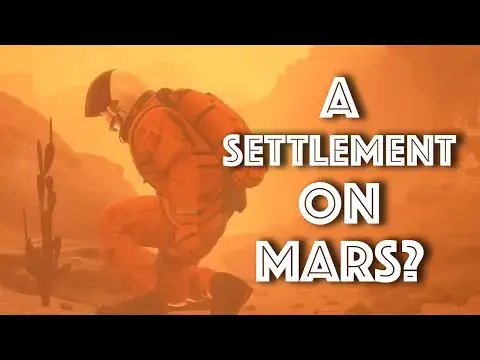
Establishing a foothold on Mars is shifting from the realm of imagination to tangible possibility. However, sustaining life on the Red Planet involves unprecedented challenges—potentially including contributions measured in human biological materials. A surprising new study from the University of Tehran, recently featured in Acta Astronautica, proposes that early Martian shelters might be assembled using materials sourced directly from the settlers themselves.
Innovative Construction on Mars: From Earth to Blood
Transporting conventional building supplies across the vast distance to Mars—which is over 62 million kilometers away—is impractical and prohibitively expensive. Scientists suggest leveraging the planet’s own regolith along with an unusual binder: components found in human blood.
Led by the Department of Civil Engineering at the University of Tehran, researchers investigated various cement types feasible for manufacturing with Martian resources. Among the 11 identified varieties, one stood out—a blend of Martian soil bonded with serum albumin, a protein common in human plasma.

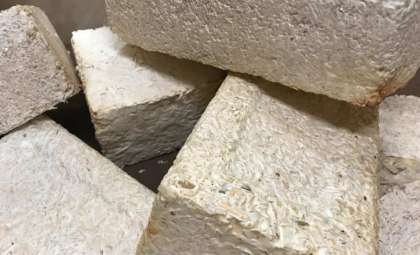
This innovative compound, called “AstroCrete”, forms a robust, waterless cement perfect for the extreme environment of Mars. Interestingly, historical records reveal that ancient Romans used blood to strengthen mortar, lending historical context to this futuristic concept.
Human Contributions to Survival on Mars
The proposed approach is both daring and unsettling. Early settlers may initially arrive with inflatable shelters but would later contribute bodily fluids—namely blood, urine, sweat, and tears. These fluids contain organic compounds such as carbamide that enhance the strength of the Martian cement.
The system functions as follows:
- Blood: Provides serum albumin to bind soil particles.
- Urine, Sweat, and Tears: Contain carbamide, which boosts the cement’s durability.
Remarkably, in about 72 weeks, a single settler can donate enough blood to produce a modest-sized habitat. This 3D-printed structure, formed from these unique biological materials, could shelter new arrivals, creating a cycle of growth and survival.
The Pros and Cons of AstroCrete
The researchers highlight several benefits of this construction method:
Advantages
- Efficient Use of Resources: Avoids launching large quantities of materials from Earth.
- Self-Sustaining: Utilizes substances produced naturally by the inhabitants.
- Improved Strength: Laboratory results indicate AstroCrete is approximately three times stronger than typical Martian concrete enhanced with blood proteins.
Potential Obstacles
- Health Concerns: Continuous blood donation risks anemia, exhaustion, and weakened immunity.
- Ethical Implications: The requirement for bodily fluid extraction raises questions about settlers’ well-being and rights.
- Production Limits: Individual contributions are capped, potentially delaying larger projects.
Could Humans Become Building Components on Mars?
The concept of settlers literally giving parts of themselves to create their homes has ignited discussion. While AstroCrete offers an innovative way to overcome material shortages, it also spotlights difficult ethical and health challenges. As the authors emphasize, “Though this technique addresses critical construction issues on Mars, its impact on human health must be carefully considered.”
Exploring Alternatives and Future Prospects
Beyond AstroCrete, other avenues are being explored:
- In-Situ Resource Utilization (ISRU): Extracting water from underground ice or making cement from Martian sulfur compounds.
- Biotech Solutions: Engineering microbes to produce cement-like materials organically.
- Robotics: Using automated robots to 3D-print habitats from Martian soil composites.
Challenges Grow as Mars Exploration Advances
As dreams of permanent human presence on Mars advance, so do the complexities involved. Settlers must contend with intense radiation, scarce resources, and austere conditions. If this research holds true, the first Martian homes may demand not just technological innovation but literal human sacrifice.
For future explorers, the price of shelter might not be payable in currency—but in blood, sweat, and tears.
The full research is accessible in Acta Astronautica.
- Categories:
- News








0 comments
Sign in to Comment