
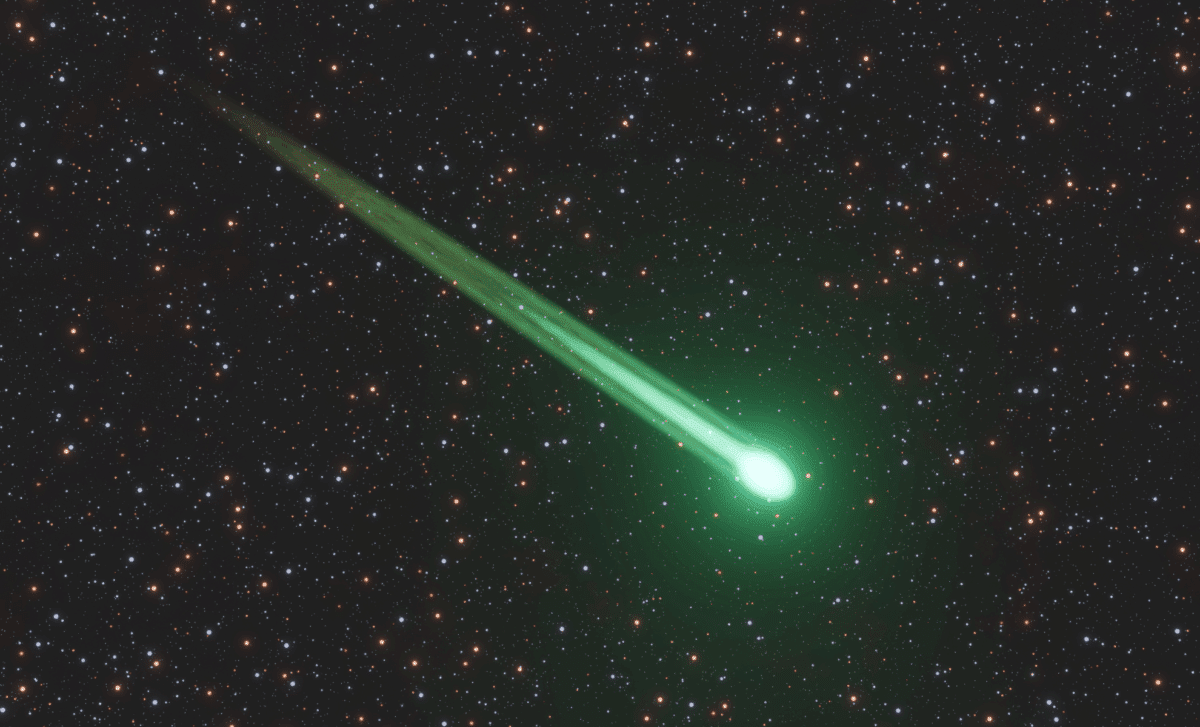
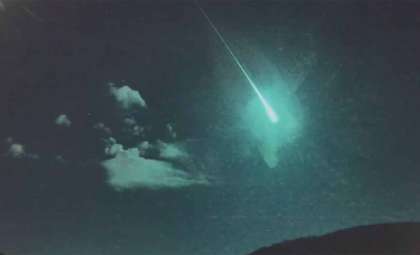
On October 14, 2025, an extraordinary astronomical display lit up the southern United States, turning night into a brief daylight spectacle visible to many. A striking green fireball meteor shot across the sky, breaking apart near the horizon, its radiant path recorded by numerous cameras. This dazzling phenomenon was connected to the current Southern Taurid meteor shower, known for producing some of the season's most vivid fireballs. The awe-inspiring event captivated stargazers and deepened public fascination with meteoric activity and cosmic debris.
A Luminous Green Meteor Lights Up Southern Skies
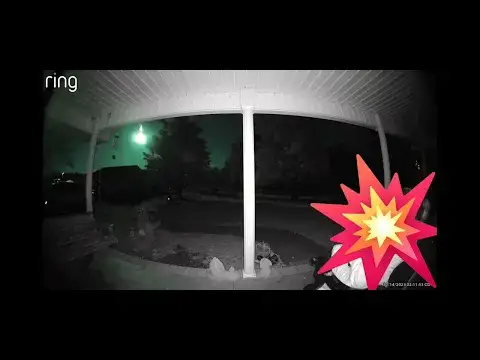
Throughout the night of October 14, 2025, observers in the southern U.S. witnessed a stunning celestial occurrence. A vivid green fireball meteor flashed brilliantly above the horizon, casting enough light to momentarily brighten the darkness. This remarkable spectacle was visible across states including Kentucky, Tennessee, and Alabama, where the meteor’s glow created long-standing shadows and captivated viewers.
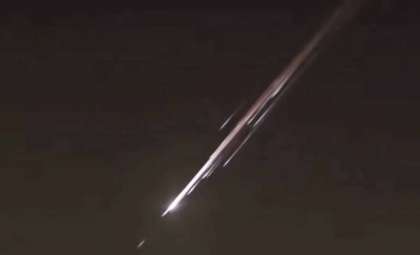
Cameras ranging from smart home doorbells to dashboard cams caught the event, with these videos submitted to the American Meteor Society (AMS). Shared widely online, the footage reveals the meteor fragmenting as it plunged through Earth’s atmosphere, offering a mesmerizing glimpse for those who witnessed it. This moment took place at 3:11 a.m. EDT (0711 GMT), surprising and thrilling many observers with its intense brightness.

The Southern Taurid Meteor Shower in Focus
The fall months regularly bring meteor activity, but the Southern Taurid meteor shower is particularly noted for its spectacular fireballs, like the one seen on October 14. Although fireballs in this stream are somewhat common, they mostly occur from late October through early November. This meteor shower remains active into November, as Earth traverses debris left behind by Comet 2P/Encke, resulting in a heightened number of bright fireballs.
Robert Lunsford, Journal Editor at the AMS, wrote in an email to Space.com, “This fireball was likely part of the South Taurid meteor shower, active during October and November.” Lunsford explained that this particular shower is recognized for producing more frequent and intensely bright fireballs than typical meteors. "Fireballs from this shower tend to happen mostly in the last week of October and the first week of November," he added. More brilliant meteors are expected as this peak season continues.
The Vulnerability of Meteor Fragments In Our Atmosphere
While captivating, such green fireballs are reminders of how fragile these glowing visitors from space truly are. Meteors like the October 14 event originate as comet or asteroid debris entering Earth's atmosphere at tremendous speeds. The friction generated causes these fragments to incandesce and often break apart, producing the stunning light trails seen from the ground.
Lunsford noted,
“Fragments from Comet Encke and all comets in general are very fragile and will disintegrate while still high in the atmosphere,” emphasizing that the likelihood of any meteorite from the Southern Taurid fireball reaching the ground is virtually nonexistent. “So, there is no chance of any meteorites making it to the ground from this fireball if it was indeed a Taurid fireball.”
This destruction is caused by the extreme heat and pressure encountered during atmospheric entry that typically causes these fragments to either fragment further or vaporize completely before hitting Earth.
- Categories:
- News









0 comments
Sign in to Comment