
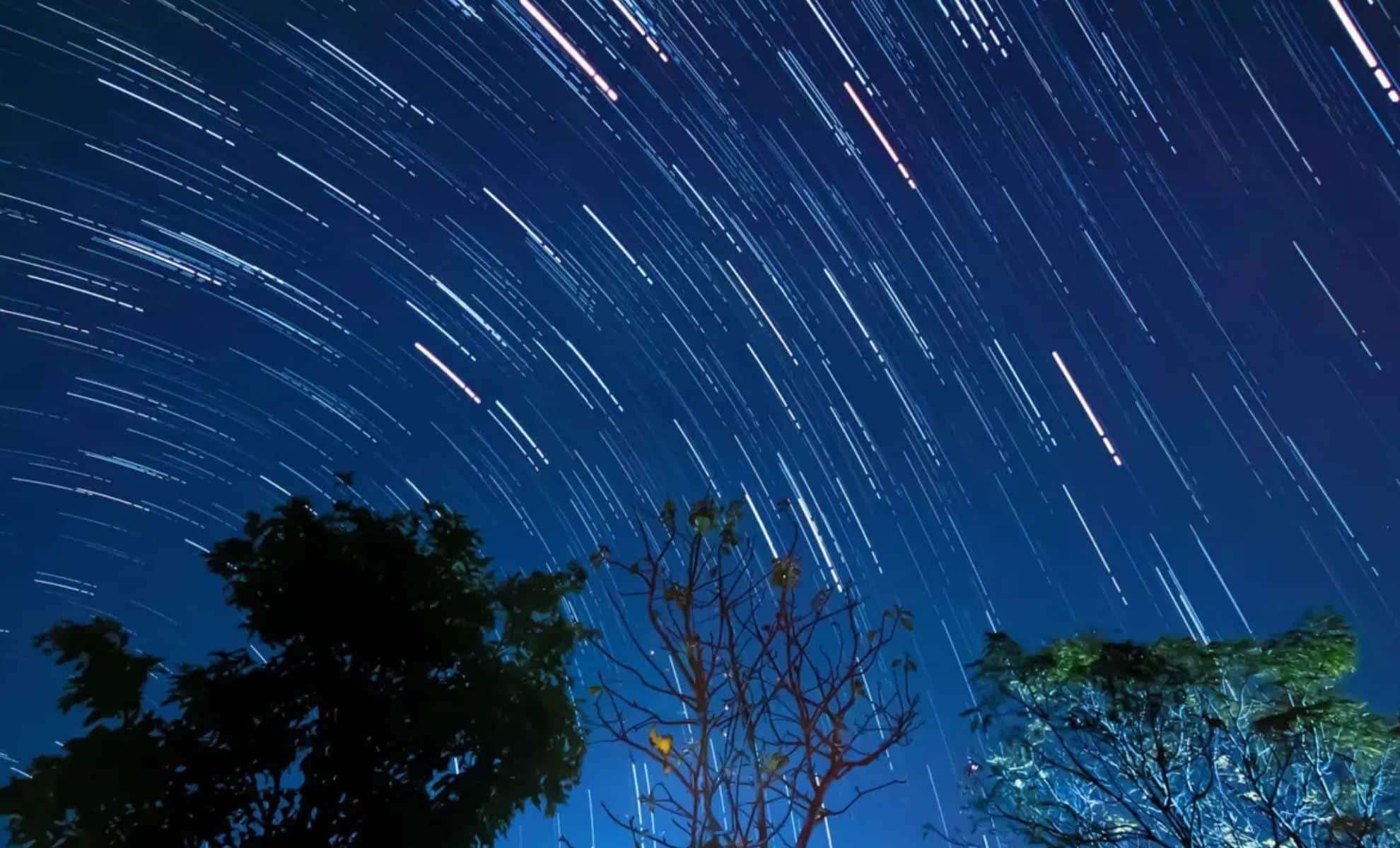
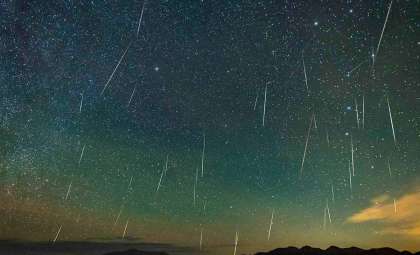
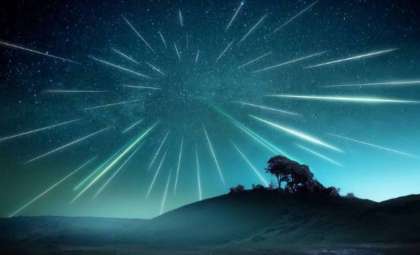
As the calendar nears its final days, the Ursid meteor shower presents a captivating night-sky event for astronomy enthusiasts. This lesser-known display offers a perfect blend of winter night serenity and the excitement of watching meteors blaze across the darkness. While not as intense as some other meteor showers, the Ursids carry an intriguing history and a quiet charm.
The Ursids are associated with debris from the ancient comet 8P/Tuttle. When Earth traverses the trail left by this comet, tiny particles ignite upon entering our atmosphere, creating the glowing streaks called meteors.
What Makes the Ursids Unique
The Ursid meteor shower is named after the constellation Ursa Minor, where the meteors seem to radiate, near the Little Dipper. Unlike more prominent showers that can flash numerous meteors each hour, the Ursids generally produce a modest rate of about 10 meteors per hour under ideal conditions.

One of the most interesting aspects of the Ursids is their unpredictability. Occasionally, observers have been treated to unexpected surges, with meteor counts climbing much higher—historical spikes include rates of 100 meteors per hour in 1945 and 1968, and a notable 30 per hour in 1973. These rare bursts are linked to denser clusters of comet debris intersecting Earth’s path.
Optimal Viewing Times and Locations for the Ursids
The shower is active from December 17 through December 26, reaching its maximum intensity in the early morning hours of December 22. This interval offers the best chance to observe meteors, as Ursa Minor ascends higher in the sky just before dawn.
Tips for Catching the Ursid Meteor Shower
Maximize your viewing experience with these suggestions:
- Seek a Dark Environment: Avoid artificial lights by venturing into rural or less populated areas to ensure you catch the faint meteors.
- Dress Warmly: Prepare for cold December nights by layering clothing, including hats, gloves, and insulated footwear. Carry a blanket or sleeping bag for added comfort.
- Allow Your Eyes to Adjust: Spend 20 to 30 minutes in darkness so your eyes can adapt to the low light for better night vision.
- Recline and Scan the Sky: Use a reclining seat or lie on the ground to maximize your sky view. No specialized equipment like telescopes is necessary.
- Look Slightly Away from the Radiant Point: Since meteors appear to emerge from Ursa Minor, gazing a bit off-center enhances visibility.
Upcoming Meteor Event to Anticipate
For those eager to continue skywatching, the Quadrantid meteor shower follows soon. Known for its dramatic peak with potentially up to 120 meteors per hour, the Quadrantids offer one of the brightest meteor displays of the year.
Peaking on the night of January 2 to 3, 2025, this shower is linked to asteroid 2003 EH1, distinguishing it from comet-based showers. The radiant point is located near Bootes, within the boundaries of the former constellation Quadrans Muralis.
A Reflective Close to 2024
The Ursid meteor shower provides not only a celestial spectacle but also a moment to contemplate as 2024 ends. Each shining meteor symbolizes a journey through space, a reminder of the vast universe beyond Earth.
Observing the Ursids is more than witnessing shooting stars—it’s about experiencing the tranquil beauty of winter nights. Stepping away from urban distractions enables a connection to a timeless natural event that has been recurring for centuries.
Even with a relatively low meteor count, the Ursid meteor shower leaves a lasting impression, illustrating that the winter sky remains alive with cosmic activity and wonder.
So bundle up this weekend, head outdoors, and enjoy the Ursids’ quiet magic. Keep an eye on the horizon, as the brilliant Quadrantids will arrive soon after, continuing the story of our dynamic cosmos.
- Categories:
- Astronomy ,
- News




0 comments
Sign in to Comment